Lawrence-area driver convicted of fourth DUI after .36 blood test
A Lawrence-area driver was convicted of his fourth DUI after a blood draw showed .36, more than four times Kansas’ legal limit.
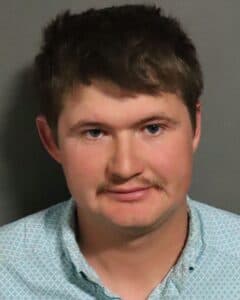
A .36 blood-alcohol reading turned a Douglas County crash case into a felony DUI conviction for 24-year-old Lawrence-area driver Hunter Neis, a level that put him more than four times over Kansas’ legal limit and underscored how repeat impaired drivers keep cycling back onto county roads.
Neis pleaded no contest and was convicted Thursday, April 30, 2026, in Douglas County District Court after prosecutors said deputies were sent to the 400 block of East 1700 Road on Aug. 2, 2025, for a vehicle in a ditch. Investigators said Neis had slurred speech and other signs of intoxication. He refused a breath test, but authorities obtained a warrant for a blood draw, which later showed the .36 result.

The conviction was Neis’ fourth DUI in six years. Before the Douglas County case, he had already been convicted of a third DUI in Osage County, a second DUI in Franklin County in 2021 and a DUI diversion in Wellsville Municipal Court in 2020. In the Franklin County case, attempted burglary and marijuana possession charges were dismissed by the prosecutor.
The plea agreement called for 30 days in custody, including two days in jail and 28 days on house arrest with GPS monitoring and work release. It also called for likely 24 months of probation and an underlying suspended sentence of at least 17 months in prison, depending on the pre-sentence investigation. Neis must complete a drug and alcohol evaluation and a victim impact panel, and he will be required to use ignition interlock and Soberlink monitoring devices. Sentencing was scheduled for July 9.
Kansas law treats that record as more than a misdemeanor problem. State statute 8-1567 makes a fourth or subsequent DUI conviction a felony, reflecting lawmakers’ judgment that repeat impaired driving demands escalating punishment and tighter supervision. The Kansas Highway Patrol says ignition interlock restrictions are meant to reduce recidivism while still allowing some drivers to retain driving privileges, while the DUI Victims Center of Kansas says it holds multiple victim-impact panels each month for court-ordered offenders.
The case lands against a wider public-safety backdrop. The Centers for Disease Control and Prevention says alcohol-impaired drivers were involved in 13,524 deaths in 2022, accounting for 32% of traffic deaths in the United States. In Douglas County, Neis’ conviction is another reminder that the system’s next test is not only punishment after the fact, but whether treatment, monitoring and court supervision can stop the next repeat offender before somebody is killed.
This article was produced by Prism’s automated news system from verified source data, official records, and press releases, then run through automated quality and moderation checks before publishing. The system is built and supervised by the people who set the standards it runs under. Read our full AI policy.
Did this article answer your question?