Lawrence commissioners consider moving public comment to meeting start
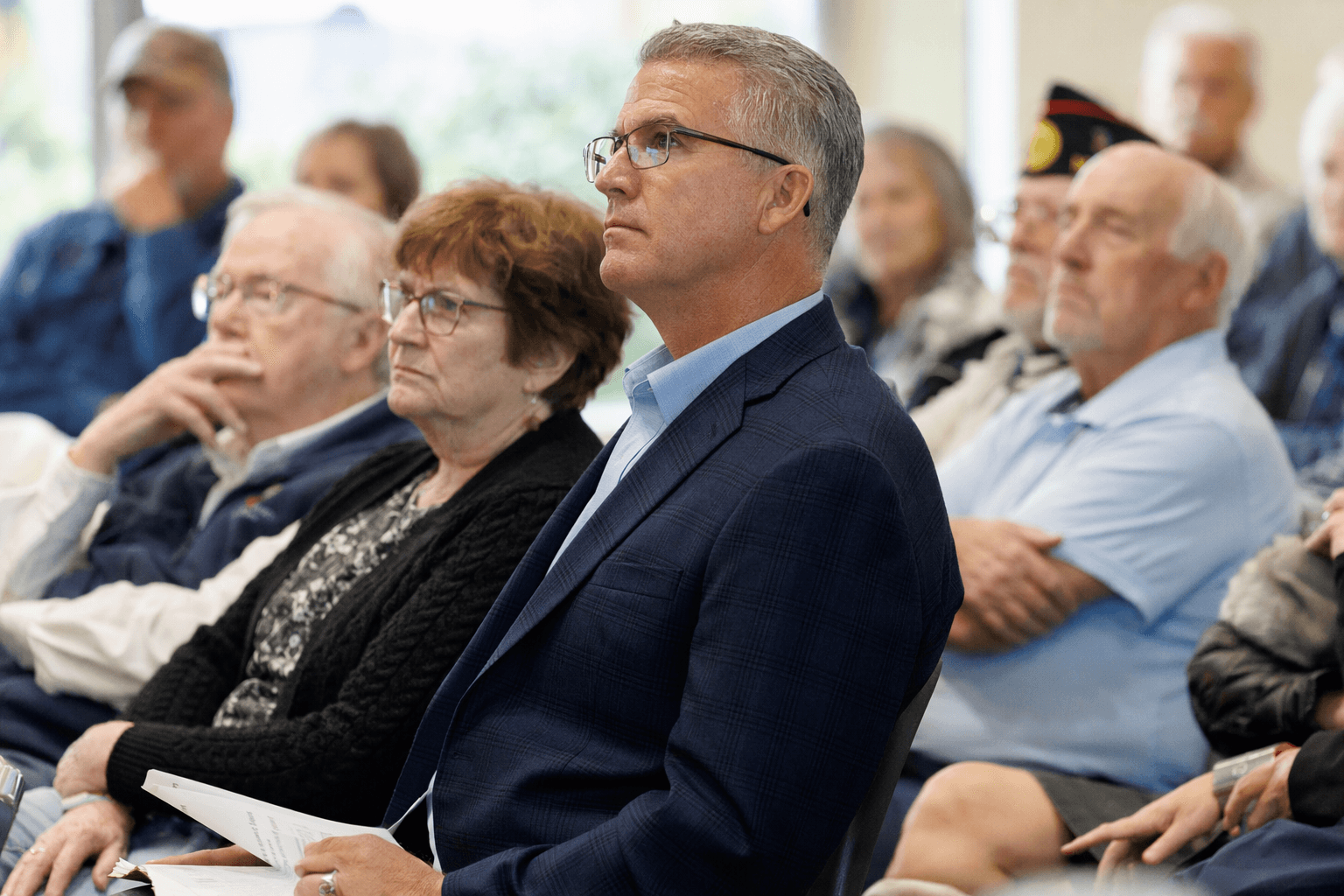
Lawrence commissioners weighed a monthly public-comment slot at the start of meetings, a shift that could help residents who cannot stay late into the night.
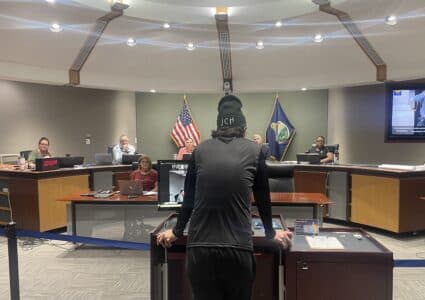
Lawrence city commissioners took a new look at one of City Hall’s most visible gateways to power: when residents get to speak.
At their Tuesday meeting, the five-member Lawrence City Commission signaled interest in moving general public comment from the end of the agenda to a 45-minute block at the start of one meeting each month, on the second Tuesday. Vice Mayor Mike Courtney backed the idea, arguing it would be easier for people with family responsibilities, shift work or other time limits to speak without waiting through a long meeting.
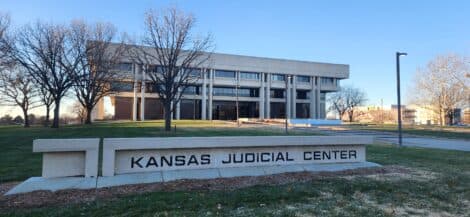
The proposal would matter far beyond meeting procedure. The commission, which meets at 5:45 p.m. on the first, second and third Tuesdays at City Hall, 6 E. 6th Street, approves ordinances and resolutions, sets city policy, adopts the budget and hires the city manager. For many Lawrence residents, public comment remains the clearest chance to raise a concern directly before the officials who make those decisions.
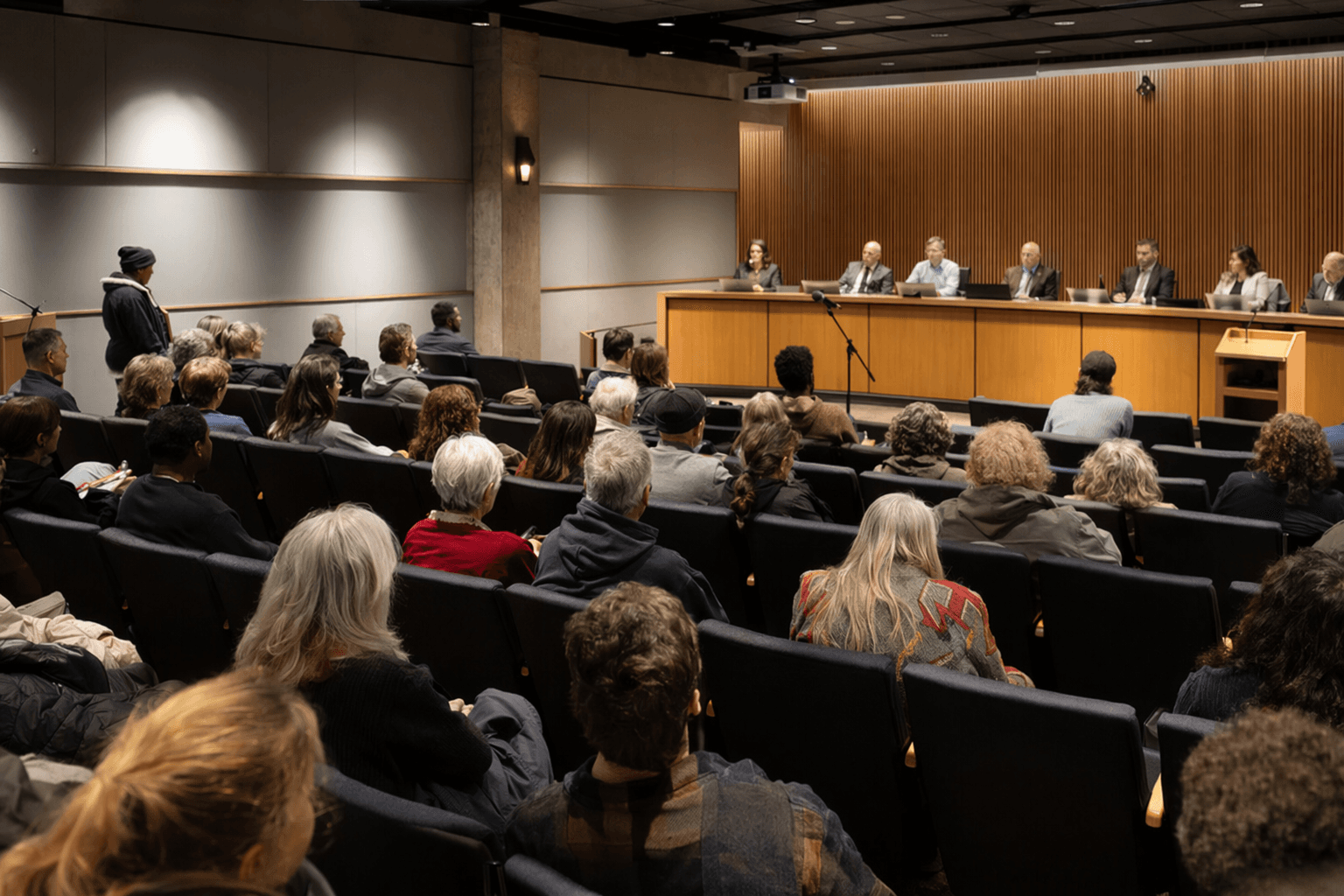
The change would also be a partial return to an earlier format. On June 4, 2024, commissioners voted 3-1 to move general public comment to the very end of meetings and to stop broadcasting it live. Commissioners said at the time they wanted to curb comments they viewed as performative and keep them after regular agenda items. But the result, as residents and observers noted later, was that public comment sometimes did not begin until very late in the evening, a setup that could favor people who can sit through hours of deliberation and disadvantage parents, older residents, workers on evening shifts and anyone relying on transit or carpooling.
This week’s proposal would not restore the old setup at every meeting. Instead, it would create one early-meeting comment window each month, a narrower fix that tries to give more people a usable hour without fully reopening every meeting to open-ended comment at the start. A separate April 17 proposal also floated a limited early comment period for a small number of speakers who registered in advance, showing commissioners are still weighing how to balance access with order.
The commission did not adopt the change outright. Instead, it asked staff to return with a new meeting structure for further consideration, leaving the question of who gets heard at City Hall still unsettled but very much alive.
Know something we missed? Have a correction or additional information?
Submit a Tip