Three Lawrence candidates among seven for Kansas Supreme Court vacancy
Three Lawrence lawyers and judges are in the running for a Kansas Supreme Court seat, and written public comments are open before May 21 interviews.
Lawrence has three names in the running for one of the state’s highest legal posts, and residents still have time to weigh in before the finalists are sent to Gov. Laura Kelly.
The Kansas Supreme Court Nominating Commission will interview seven applicants on May 21 to fill the vacancy left when Justice Marla Luckert retired effective March 28, after more than 23 years on the Kansas Supreme Court and 34 years in public service. Three of the seven are from Lawrence: Douglas County District Court Judge Carl Folsom III, Douglas County District Court Judge Amy Hanley and Lawrence attorney Meryl Carver-Allmond.
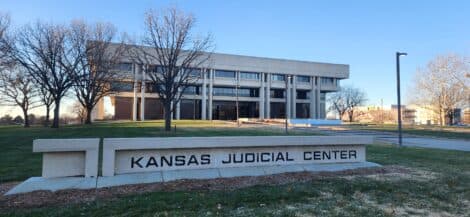
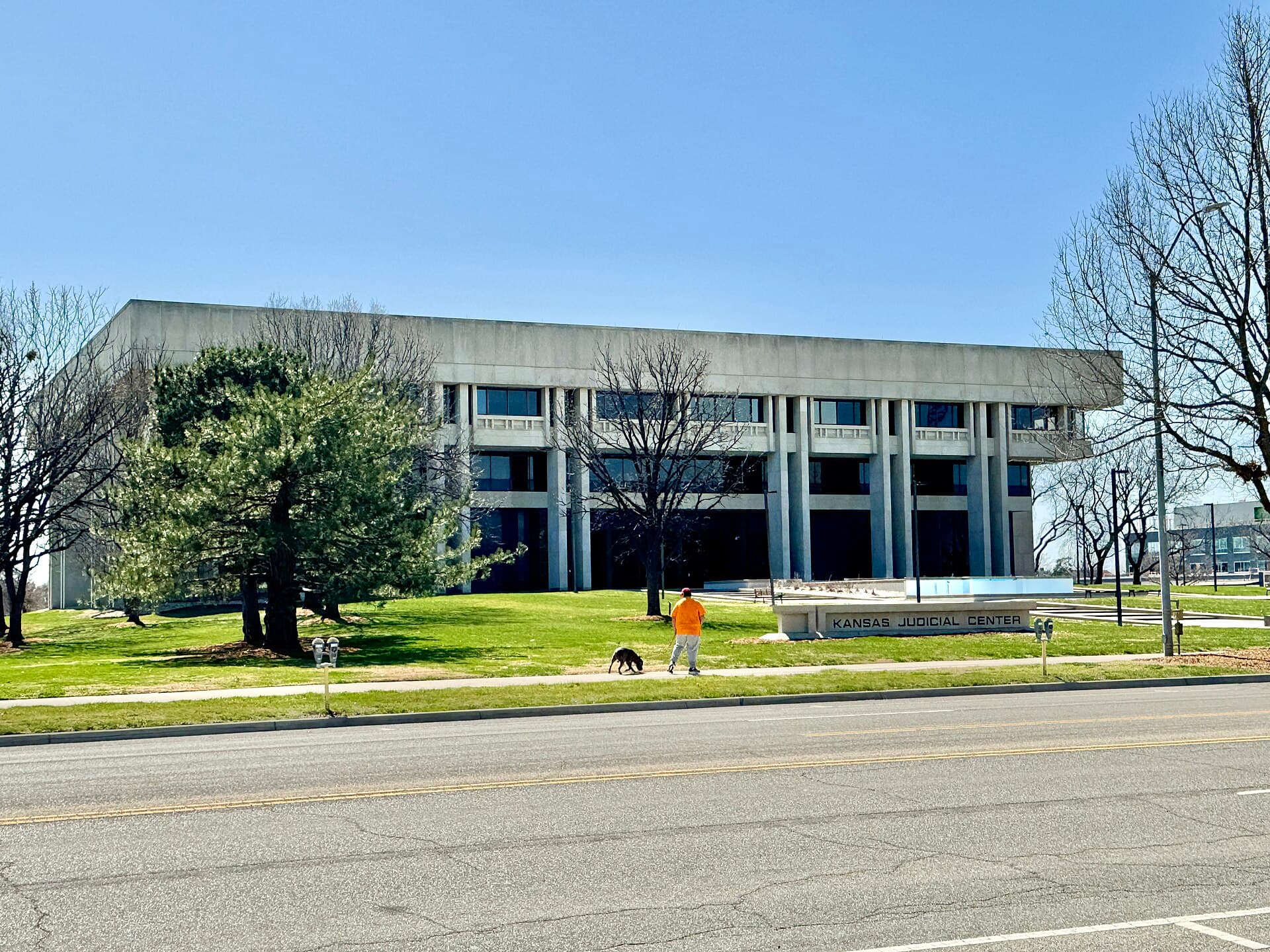
The commission will meet at 9 a.m., with interviews beginning at 9:30 a.m. Folsom is scheduled for 10 a.m., Hanley for 11:15 a.m. and Carver-Allmond for 1:30 p.m. The sessions will be open to the public and livestreamed on the Kansas judicial branch YouTube channel from a first-floor meeting room in the Kansas Judicial Center, 301 SW 10th Ave. in Topeka.
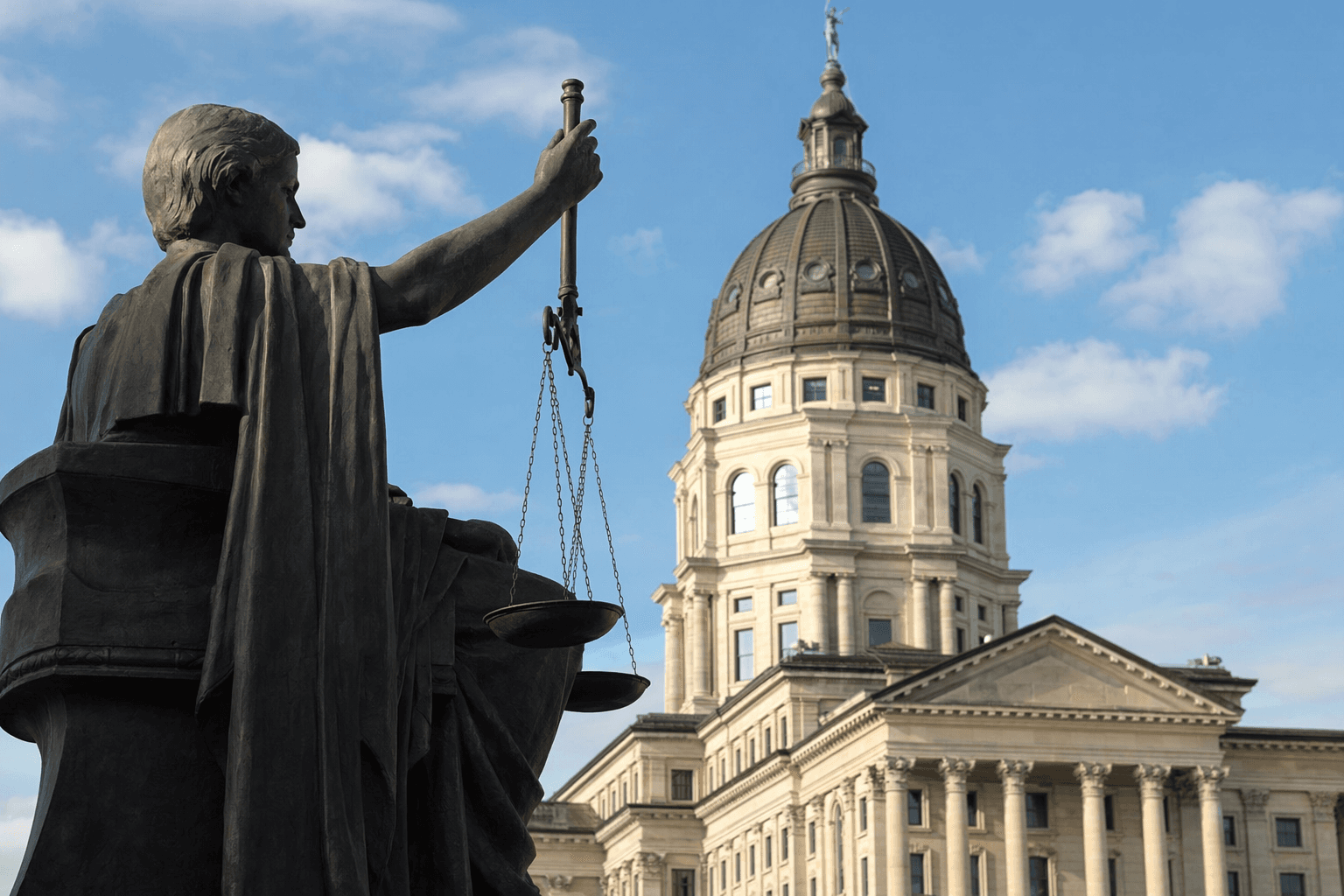
People will not be allowed to comment in person during the interviews, but written comments may be submitted until one week before the hearing. That gives Douglas County residents a formal way to weigh in on qualities that matter in a Kansas Supreme Court justice: legal experience, ethics, temperament and community service.
Hanley’s appearance on the short list carries extra weight locally. She was one of three finalists for another Kansas Supreme Court vacancy last year, giving Lawrence a second close look at a judge who has already been vetted in state judicial circles. Folsom and Carver-Allmond add to the local field, giving Lawrence an unusually strong presence in a statewide selection process.
Kansas’ merit-selection system requires a nominee to be at least 30 years old and admitted to practice in Kansas with at least 10 years of legal experience, whether as a lawyer, judge or full-time law professor. The nine-member nominating commission will choose three names to forward to Kelly for the final appointment.
The vacancy matters in Lawrence and across Douglas County because the Kansas Supreme Court rules on criminal justice, civil disputes, election issues and other cases that can reshape what happens in local courts. It also comes at a politically sensitive moment: Kansans will vote Aug. 4 on a constitutional amendment that could replace the current commission system with judicial elections. This vacancy may be one of the last major state court appointments decided under the existing process.
This article was produced by Prism’s automated news system from verified source data, official records, and press releases, then run through automated quality and moderation checks before publishing. The system is built and supervised by the people who set the standards it runs under. Read our full AI policy.
Did this article answer your question?