Lawrence library master plan envisions community hub beyond downtown building
Lawrence Public Library is weighing a master plan that could reshape downtown, expand neighborhood outreach, and redefine the library as a daily civic hub for more residents.
A master plan that reaches beyond the building
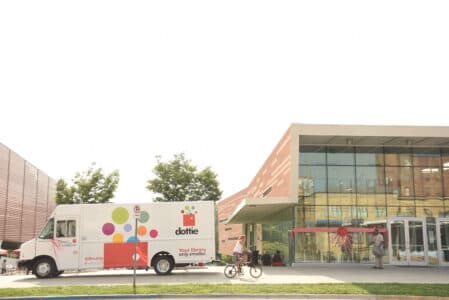
Lawrence Public Library’s next master plan is shaping up as something larger than a renovation checklist. Consultants told trustees the process could redefine the library as a more active civic hub, with ideas that range from a “community living room” downtown to more programming and services outside the main building.
That broader vision matters because the library is not just planning for shelves, rooms, and finishes. It is asking a deeper civic question: how does a public library serve the people of Lawrence, especially residents who do not regularly come downtown?
What trustees are being asked to decide
The planning conversation has now moved beyond the limits of the 707 Vermont St. building. Margaret Sullivan Studio, which is guiding the work, presented three broad directions to the Lawrence Public Library Board of Trustees: improve the main downtown building, make Downtown Lawrence more vibrant, and expand the library’s reach into other parts of the city.
That framing is important because it changes the stakes. If the effort is treated only as a facilities plan, the outcome may focus on construction and circulation. If it is treated as a service redesign, the library could rework how and where it meets people. If it becomes a broader civic redefinition, Lawrence could end up with a very different idea of what its public library is for.
Library director Brad Allen said the ideas ranged from modest adjustments to much larger ambitions, but the purpose of the process was to give residents “different ways to dream” about the future. Margaret Sullivan said the term community vision plan now fits better than facilities master plan, because the public feedback has touched the building, downtown activity, and neighborhood outreach all at once.
What residents said they want
The public response was unusually strong. The survey drew more than 3,200 responses, a level the consultant said many cities far larger than Lawrence would not see. It opened in January and ran through the end of February, and it asked residents how they use the library, what programs they want, what amenities and public spaces they would enjoy, what their “library experience of the future” might look like, and how they feel about library services expanding outside the main building.
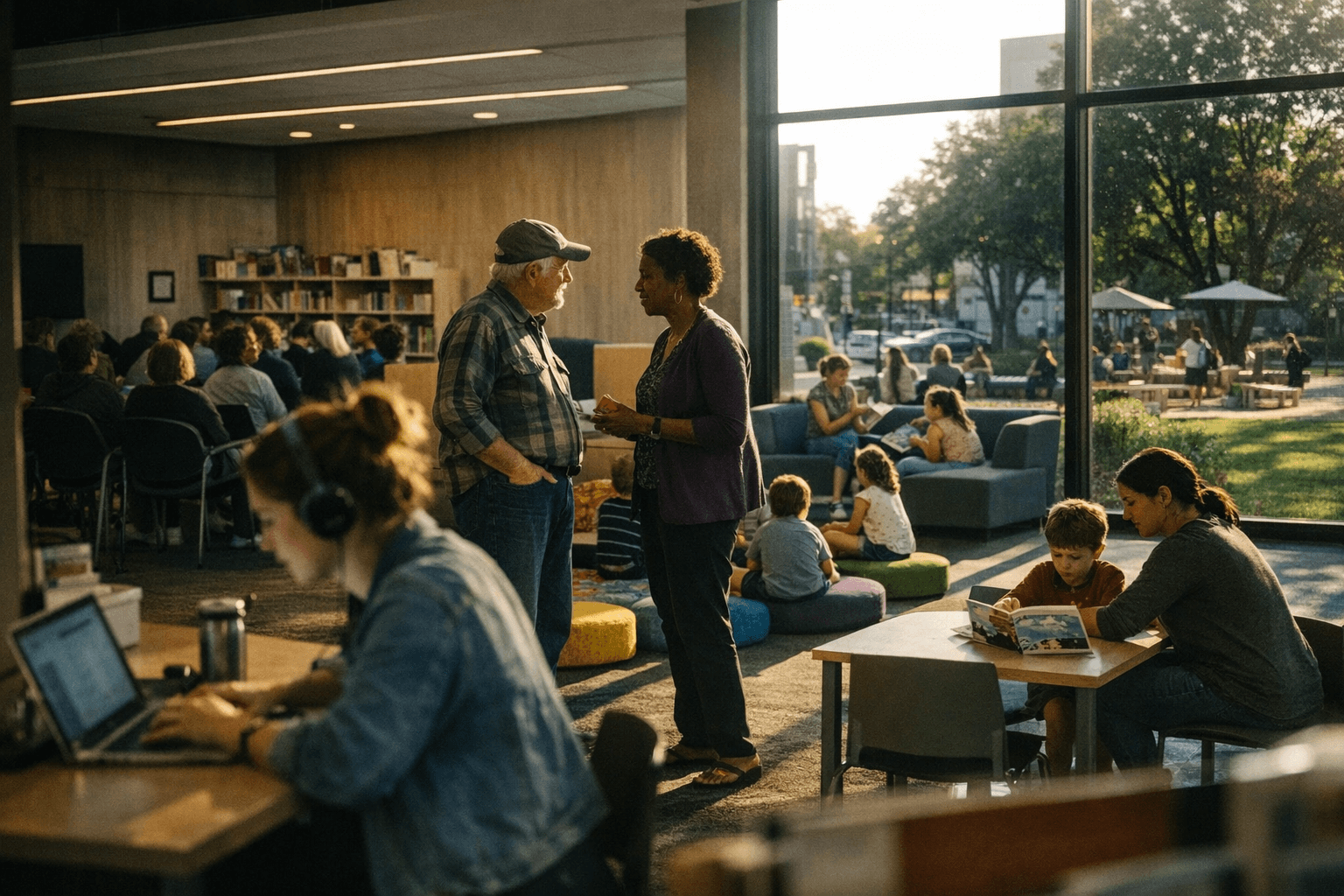
The survey also offered respondents a chance to win a $50 Downtown Lawrence gift card, a small incentive that tied the planning effort to the downtown economy as well as the library itself. The result was not just a data set. It was a sign that Lawrence residents are ready to weigh in on whether the library should be more visible in daily life, not only when people walk through the doors on Vermont Street.
Among the ideas discussed were more child-focused amenities and even an immersive children’s museum-style experience. Consultants also heard interest in better ways to connect people to library resources outside downtown, a concept that could matter most for neighborhoods where access to the main branch is less convenient.
Why access and equity are at the center
The library’s 2023 strategic plan gives this conversation a clear policy frame. It describes the library’s mission as “a place to learn, connect, create, and grow,” and it emphasizes equity, access, community engagement, and the idea of the library as a community anchor.
That language is not abstract. In a city like Lawrence, the question of access can determine who benefits from public services and who is left out. A single downtown building may work well for many residents, but it can also create barriers for people on the west side of town or for families balancing transportation, work schedules, childcare, and mobility needs.
That is why the master plan’s neighborhood outreach ideas matter as much as the downtown building itself. The library is being asked not just how to improve the experience for people who already come in, but how to become relevant to residents who may rarely make the trip downtown at all.
A building with its own civic history
The current downtown library at 707 Vermont St. is central to this discussion because it already reflects a major public investment in civic space. Voters approved an $18 million plan in 2010, and the renovated building opened in July 2014, replacing a 1972 library building.
That renovation included a larger children’s area, a teen zone, meeting rooms, a library lawn, improved technology, and LEED Gold certification. It was designed to be more open, easier to navigate, and more welcoming to younger users. In other words, Lawrence has already spent years rethinking the library as more than a repository for books.
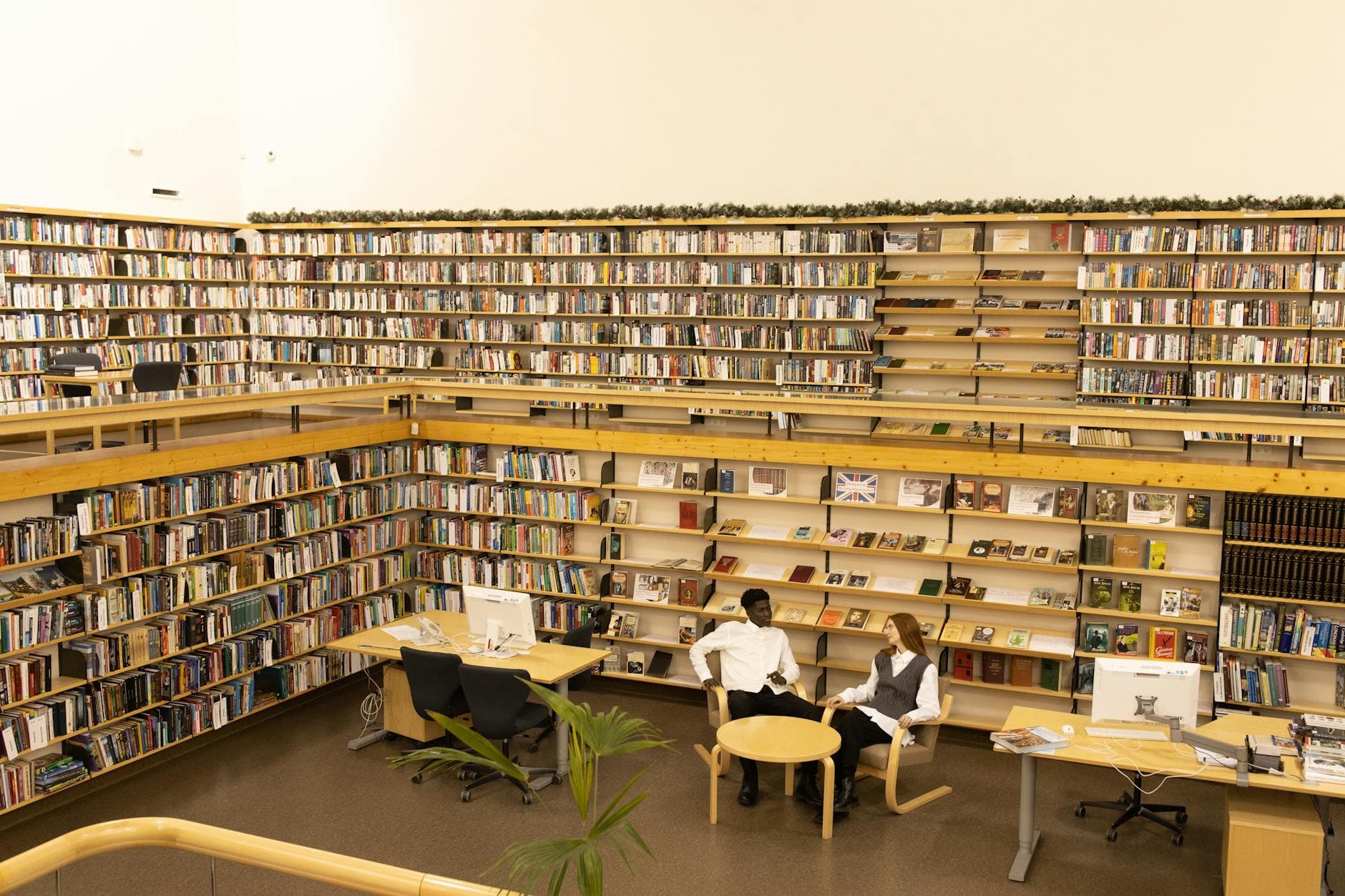
This new planning effort builds on that history rather than replacing it. The difference is that the current conversation is no longer confined to the building envelope. It includes downtown vibrancy, outdoor space, neighborhood access, and the possibility that the library’s civic role has expanded since the last major renovation.
Why this plan is happening now
Library leaders said the facilities master plan began in December 2024, and they have also said this is the first such planning effort in about 20 years. The last plan dates to 2005, which underscores how much has changed in the city and in public expectations for libraries since then.
The timing also reflects a larger shift in how communities use libraries. The Lawrence planning process suggests that the public now sees the library as a place for culture, education, family programming, public gathering, and neighborhood connection, not only borrowing and returning materials. That shift has real implications for staffing, space design, and where services are delivered.
Support, momentum, and the next phase
The library’s Friends & Foundation has already shown that this broader civic role can attract major support. Its 2026 After Hours fundraiser raised $400,000 for summer reading and a new event space on the library lawn, reinforcing the idea that outdoor programming and public gatherings are becoming a bigger part of the library’s identity.
That fundraising success also hints at what community partners may be willing to support: not just operational necessities, but spaces and programs that make the library feel more alive and more visible in daily life. For trustees, that creates both opportunity and pressure. The next draft of the plan was expected as early as the following month, and the decisions ahead will determine whether Lawrence gets a plan for a building, a plan for services, or a much wider statement about what a public library should be.
The Board of Trustees, a seven-member body that meets monthly in public, now sits at the center of that choice. If the final plan embraces access, relevance, and neighborhood reach as seriously as bricks and mortar, Lawrence Public Library could become less of a destination people visit occasionally and more of a civic institution that meets residents where they are.
This article was produced by Prism’s automated news system from verified source data, official records, and press releases, then run through automated quality and moderation checks before publishing. The system is built and supervised by the people who set the standards it runs under. Read our full AI policy.
Did this article answer your question?