Marshall defense rests in double-murder trial, jury begins deliberations
Marshall chose not to testify, leaving jurors to weigh his confession videos, chase footage and the defense claim that drug use made his words unreliable.
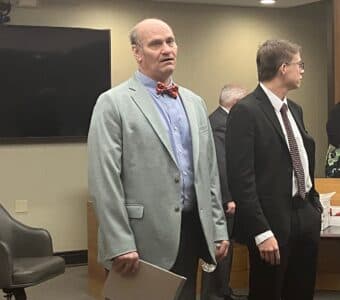
Rodney Marshall’s decision not to take the stand left Douglas County jurors with a stark choice: believe the state’s confession-and-chase narrative, or accept the defense argument that his words were the product of heavy drug use and confusion. After Marshall declined to testify and the defense rested on May 13, jurors in Douglas County District Court began weighing whether he will spend the rest of his life in prison for the July 31, 2022, killings of Shelby Len McCoy, 52, and William D. O’Brien, 43.
The strategic meaning of that choice is hard to overstate. Under oath and outside the jury’s presence, Marshall told Judge Amy Hanley that he was hesitantly not going to testify in his own defense. That kept him from facing cross-examination, but it also meant jurors never heard him explain his version of the events in his own voice. Instead, they are left with the prosecution’s evidence: police body camera footage from after Marshall’s arrest on Kansas Highway 10, a police-station confession video in which he said he had a “very good reason” for the killings, and testimony tying his statements to a list of child molesters he referenced during the interview.
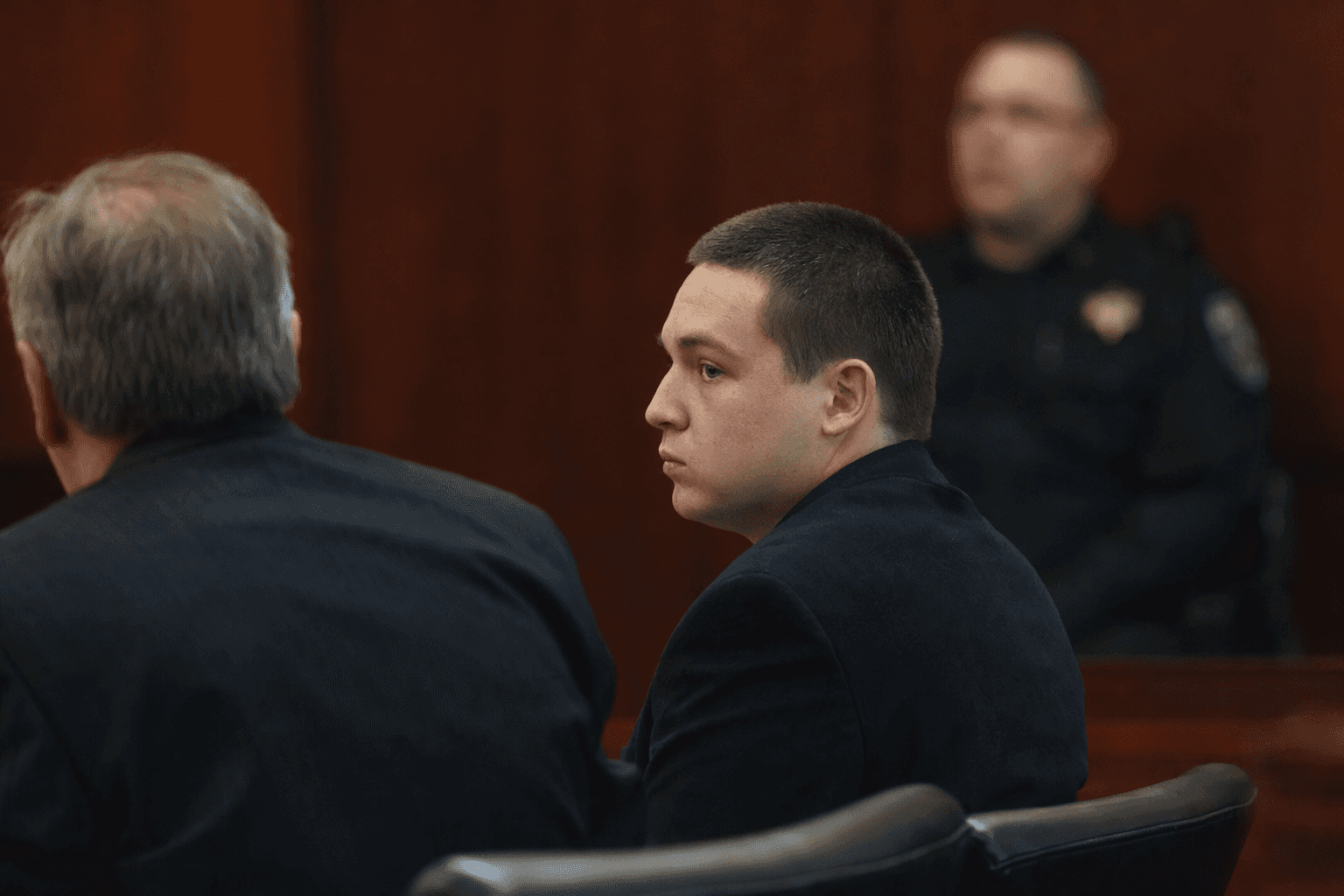
The defense tried to blunt that evidence by arguing Marshall was heavily intoxicated on drugs and that what he said was more like “word vomit” than a reliable confession. But Hanley barred the jury from hearing a doctor’s proposed testimony about Marshall’s drug issues, narrowing the defense’s options as the case moved to deliberations. That ruling matters because it leaves the defense with a simpler, harder-to-prove theory: that Marshall’s statements cannot be trusted, even though jurors have already seen and heard them in detail.
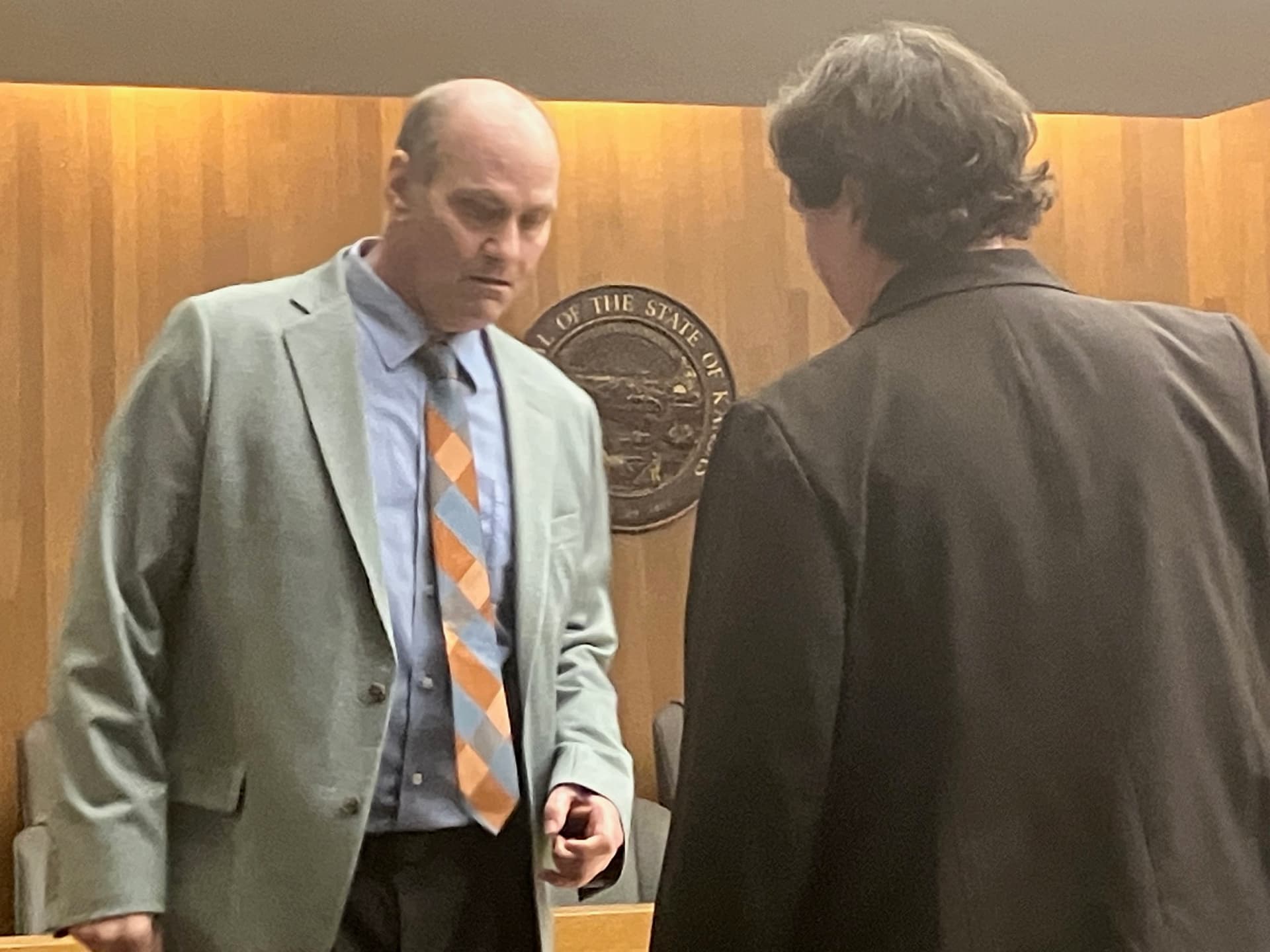
Prosecutors Eve Kemple and David Melton have told jurors that Marshall’s words, combined with the video and forensic evidence, show intent rather than confusion. The state alleges Marshall wore a costume, rode a moped to 1115 Tennessee St. to shoot McCoy, then went to 325 Northwood Lane to shoot O’Brien before leading police on a chase near Eudora that reached 100 mph and involved about two dozen police vehicles. During that chase, police say he fired a gun from his truck window. Jurors also heard forensic pathologist testimony about the fatal wounds and saw ballistics evidence, giving the state a full chain of proof from the shootings to the arrest.
The case has been years in the making. Jury selection began May 4, with Hanley telling prospective jurors the state would not seek the death penalty. The trial was expected to last three weeks, but it reached this turning point after more than 9,000 pages of evidence and repeated delays, along with changes in defense counsel before Branden Bell and Jennifer Amyx took over. For jurors, the central question now is whether Marshall’s own words, captured on video and repeated after the chase, are enough to convict on two first-degree murder counts and the related charges that followed.
This article was produced by Prism’s automated news system from verified source data, official records, and press releases, then run through automated quality and moderation checks before publishing. The system is built and supervised by the people who set the standards it runs under. Read our full AI policy.
Did this article answer your question?