Perry-Lecompton adds AI gun-detection system to school cameras
Perry-Lecompton has started using ZeroEyes on middle and high school cameras, betting human-reviewed alerts can cut police response time.

Perry-Lecompton USD 343 has begun using an artificial-intelligence gun-detection system on the cameras at Perry-Lecompton Middle School and Perry-Lecompton High School, a move aimed at shaving minutes off the first response to a possible weapon threat. The district, which serves about 730 students and employs roughly 160 staff members, is relying on ZeroEyes to scan existing camera feeds for visible firearms and push a verified alert when analysts confirm a threat.
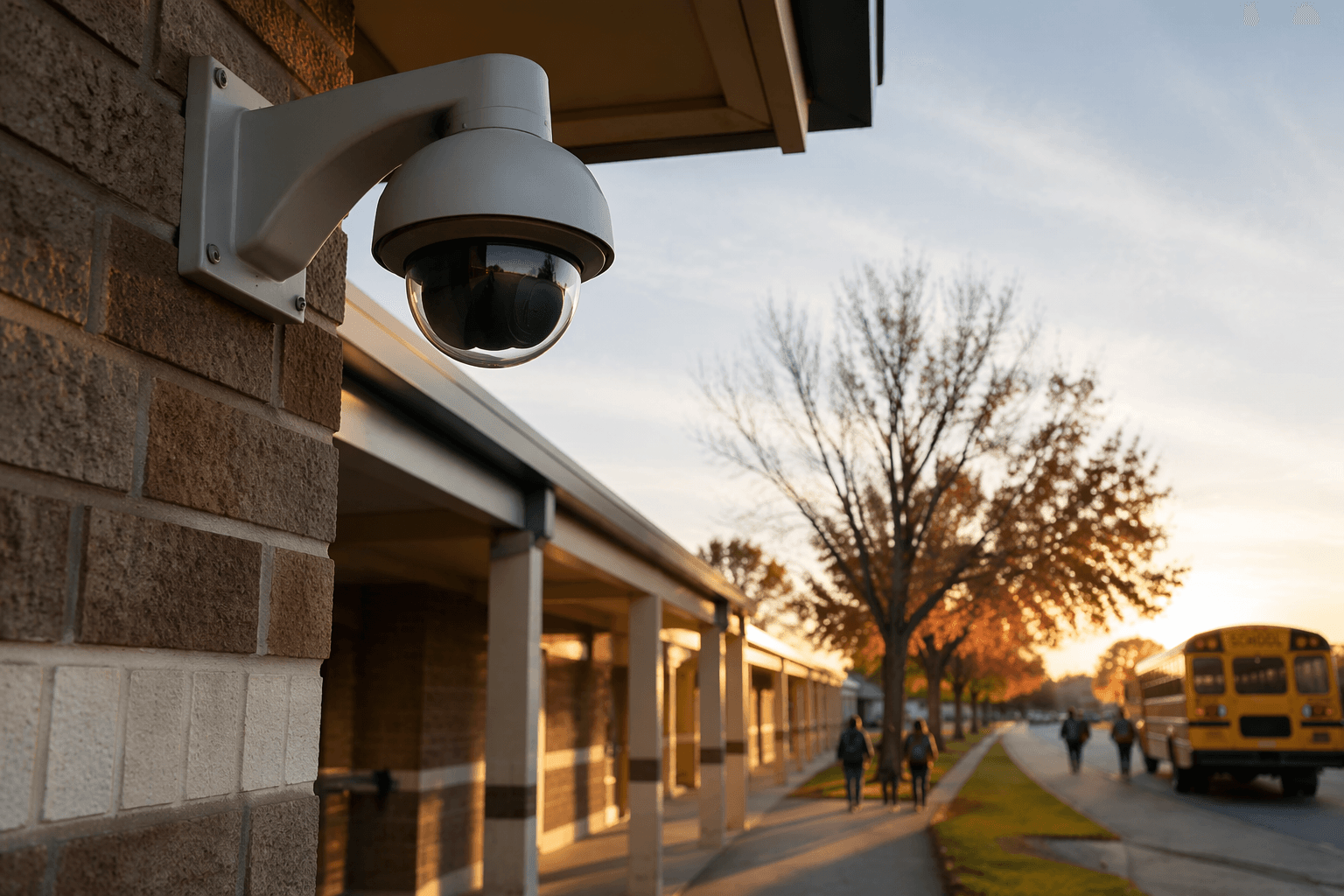
The system is built to work with the cameras already in place, not a separate surveillance network. ZeroEyes says every detection is reviewed by trained analysts in its operations center before a warning goes out, a safeguard meant to reduce false alarms and turn a camera image into a confirmed alert. Once a weapon is verified, the company says it sends images and location data to the district and to law enforcement, giving responders a moving picture of where a person is headed inside a building, whether through an entrance, down a hallway or toward a stairwell.
The company points to drills as evidence that the technology can speed response. In one test described by Chris Heilig, the executive vice president for school safety and technology, a simulated active shooter was reached in about three minutes without the system and in less than a minute with ZeroEyes in place. ZeroEyes was founded in 2018 after the Marjory Stoneman Douglas High School shooting in Parkland, Florida, and the U.S. Department of Homeland Security’s SAFETY Act program lists ZeroEyes as an approved technology provider, with an approval date of Sept. 30, 2024.
Funding for the Perry-Lecompton deployment came through the Kansas Safe and Secure Firearm Detection Grant Program, which is administered by the Kansas Attorney General’s Office. State materials say the program was authorized by a budget proviso in Senate Bill 125, uses a first-come, first-served funding model and caps any individual district at $500,000 in total support. The Kansas State Department of Education says it manages state and federal funding programs that help schools improve safety, security and learning environments.

Justin Dunnaway, the district’s assistant superintendent, said student and staff safety is the district’s highest priority. The deployment also followed coordination with local law enforcement and community leaders, a sign that the system will depend not just on software but on how quickly school personnel and police act when a verified alert comes in.
This article was produced by Prism’s automated news system from verified source data, official records, and press releases, then run through automated quality and moderation checks before publishing. The system is built and supervised by the people who set the standards it runs under. Read our full AI policy.
Did this article answer your question?