Residents push for bike lanes on Tennessee and Kentucky streets
Residents pressed Lawrence to redesign Tennessee and Kentucky streets for bike lanes, arguing the city should seize a $1.1 million opening instead of restoring an unsafe layout.
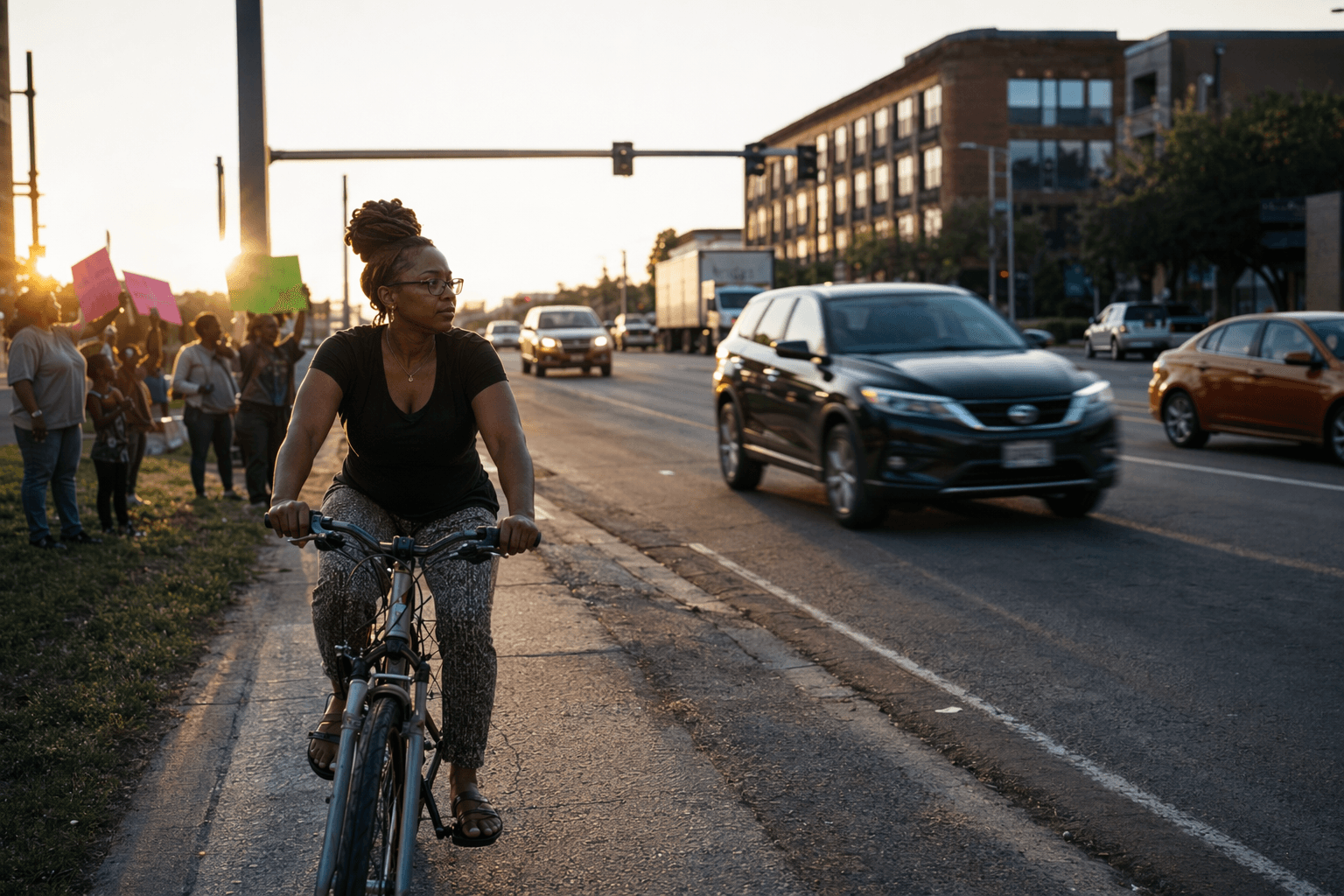
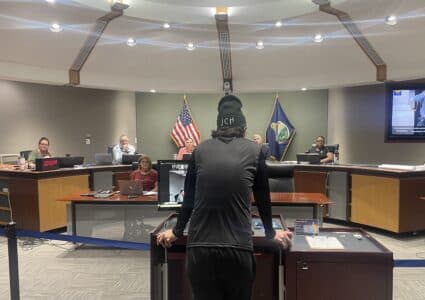
Bike safety took center stage at Lawrence City Commission’s May 19 review of the draft 2027-2031 capital improvement plan, as residents urged leaders to rework Tennessee and Kentucky streets through the city’s core before another round of paving locks in the current design.
Ten of the 16 people who spoke backed a plan to redesign Tennessee and Kentucky between Sixth and 19th streets with dedicated bike lanes and stronger protection for people traveling outside cars. The concept would cut each street to one lane in each direction, add an 8-foot bike lane with 3-foot buffers, and keep parking where it already exists. Meeting materials put the cost at about $1.1 million. The project is not funded in the current draft, which is why supporters came to the commission now.
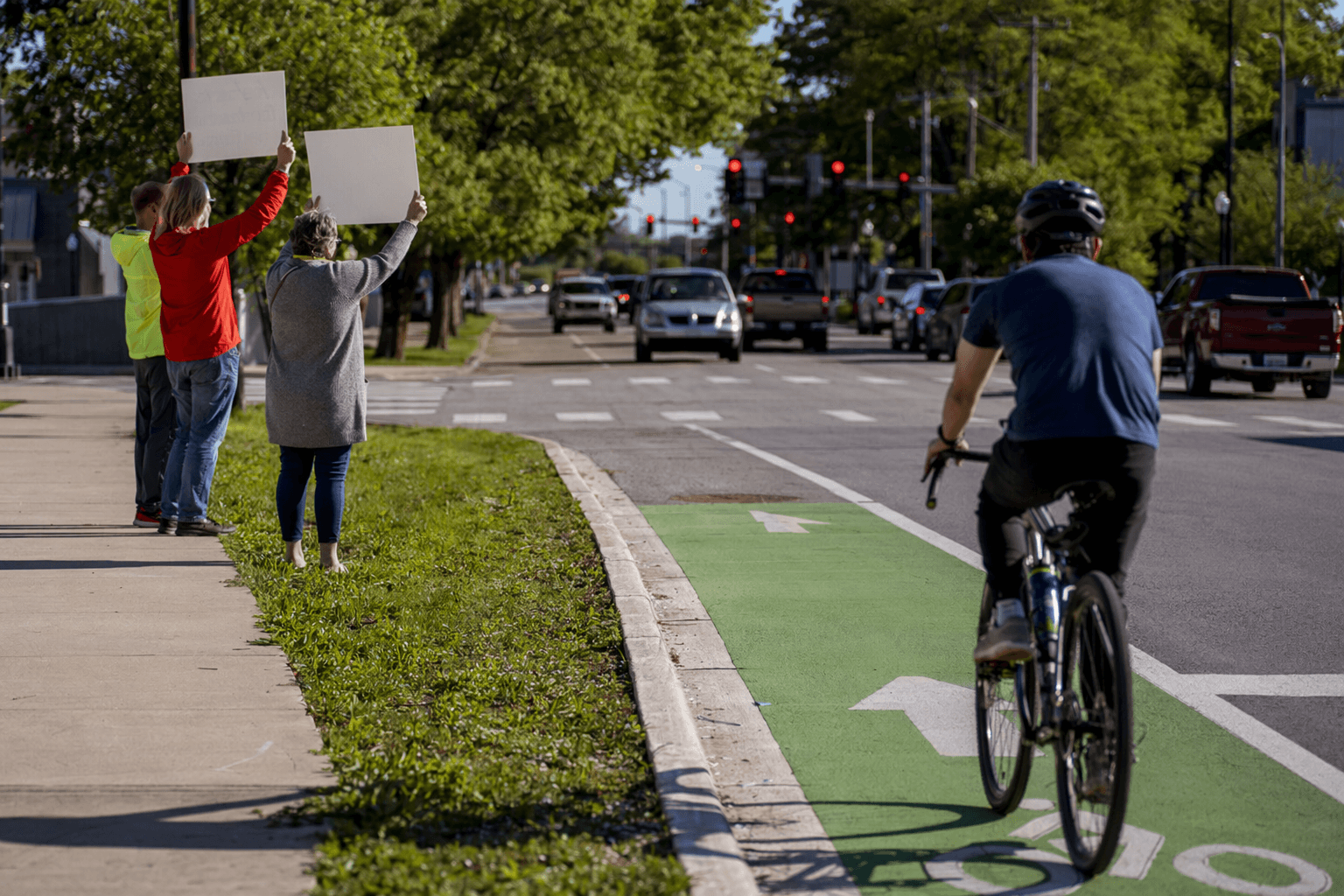
Hilary Carter brought a crash map showing incidents along the corridor over the past five years and argued that the streets are built to favor speed over safety. Other speakers said the city already has a practical opening because maintenance work is coming to the area, including 19th Street and Tennessee Street signal replacement and other closures tied to the Jayhawk Watershed. They said Lawrence should use that work to add protection for cyclists and pedestrians instead of simply putting the streets back the way they are.
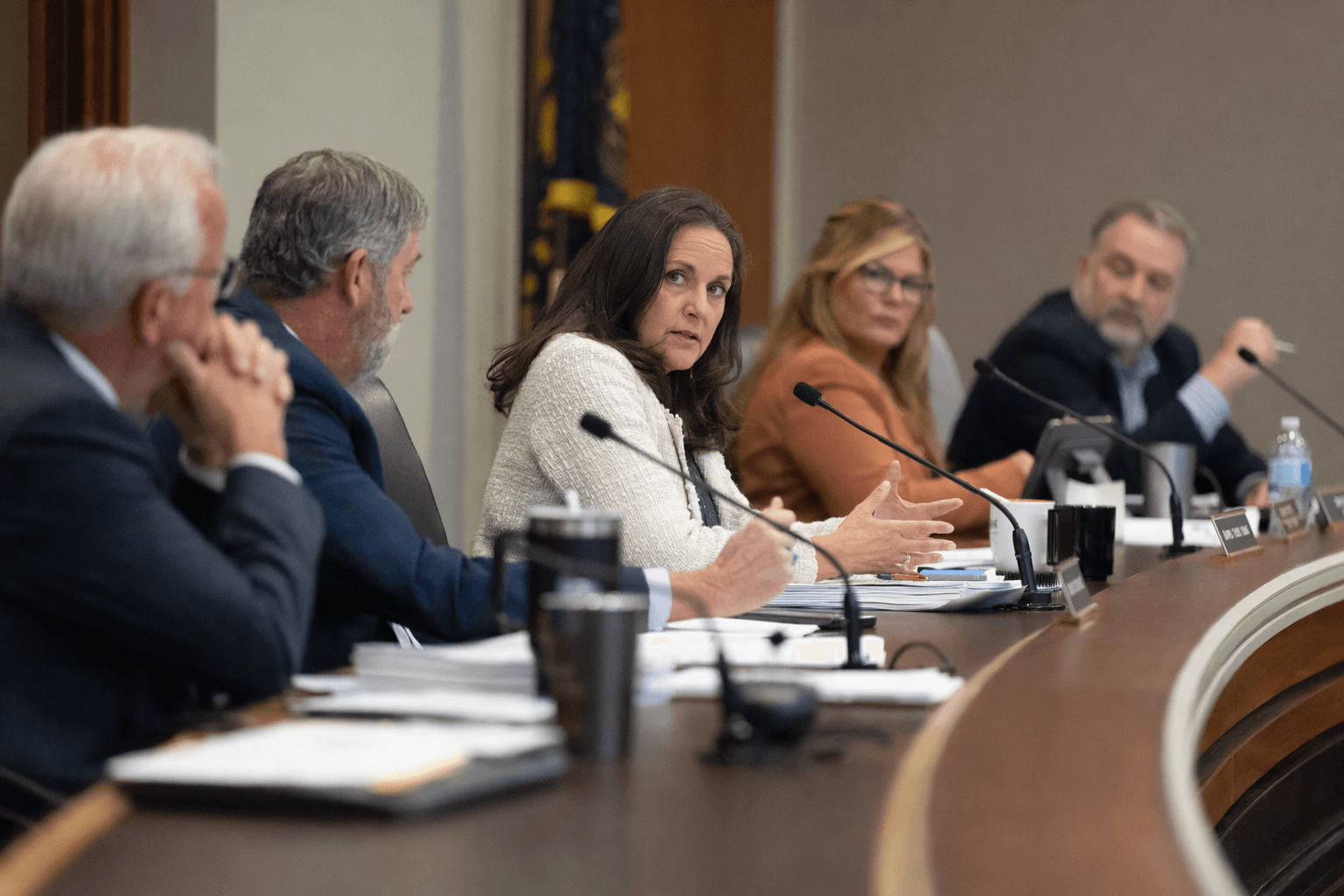
The request fits into a larger capital planning fight. Lawrence’s capital improvement plan is a five-year roadmap for projects costing at least $100,000 and lasting longer than two years, and the city’s request window for the 2027-2031 plan ran from Jan. 20 through Feb. 13, 2026. Mary Bisbee presented a draft plan totaling $407.7 million, with about $88.5 million slated for 2027. Mayor Brad Finkeldei called that a “pretty lean” year, and he joined Vice Mayor Mike Courtney and Commissioner Kristine Polian in supporting a 2027 ballot question to renew the city’s 0.3% infrastructure sales tax, which sunsets in 2029.
Advocates have been pressing for this redesign since June 2025, when the Sustainability Action Network asked the city to add protected bike lanes on the same stretch. City safety materials say Tennessee and Kentucky were originally designed in the 1940s or 1950s as one-way expressways through neighborhoods, and Vision Zero data show why that matters: Lawrence’s High Injury Network covers 37 miles, or 6.5% of roadway miles, but accounts for 65% of fatal and serious injury crashes. The Vulnerable Road User High Injury Network covers just 4 miles yet accounts for 30% of fatal and serious injury VRU crashes on 1% of roadways. For central Lawrence, the question now is whether Tennessee and Kentucky get moved up as a real safety project, or stay in line behind another year of delay.
Know something we missed? Have a correction or additional information?
Submit a Tip