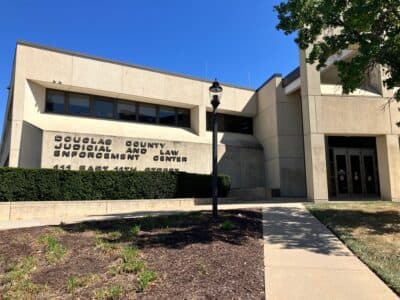
Residents urge Lawrence to pause data center rules in zoning code
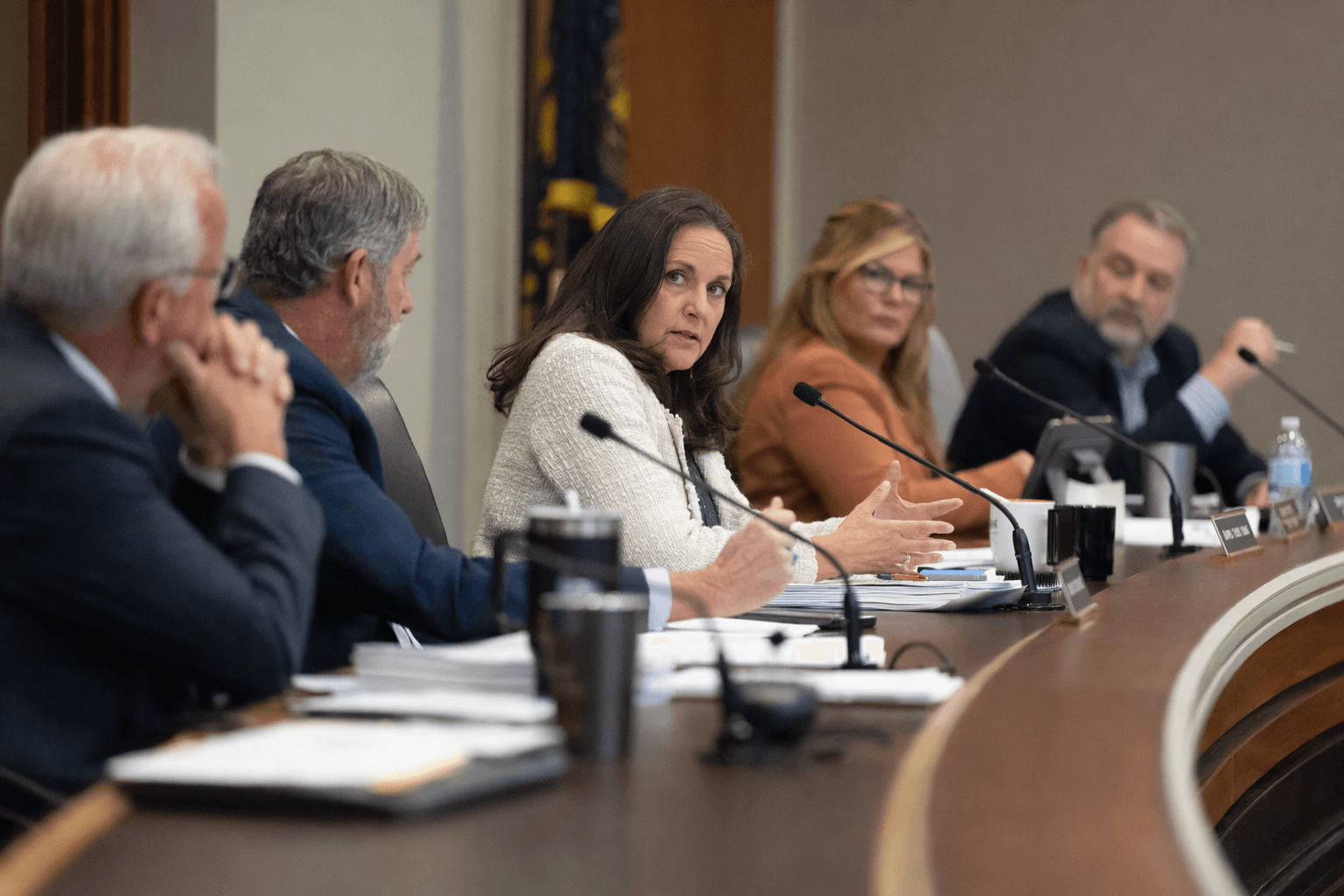
Residents warned that Lawrence’s zoning code could let a data center advance with little public review, raising fears over power, water and noise. More than two dozen people urged the city to slow down.
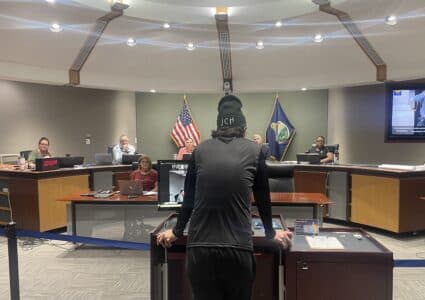
More than two dozen Lawrence residents and former code volunteers told city commissioners Tuesday night that a data center could slip into industrial or mixed-use areas with little public review, raising alarms about electric demand, water use, noise and the effect on nearby neighborhoods and development. Their warning came as the city’s new Land Development Code, adopted Jan. 14, 2025 and set to take effect April 1, 2025, is still settling into place.
Michael Almon, who served on the steering committee that helped shape the code, said he was worried he had missed the inclusion of data centers and apologized to the community for not catching it sooner. Dominique Sexton asked the city to impose a moratorium on the facilities while officials sort out the rules. Planning and development director Jeff Crick told commissioners that if a data center is allowed by right, it would not have to go before the Lawrence-Douglas County Planning Commission or the City Commission and would instead move straight into the building permit process.
That prospect is what unsettled many of the people who spoke. Under the current code, data centers are listed as a permitted use in industrial zoning districts and can be allowed by special use permit in some mixed-use or commercial center districts. The code has no use-specific standards for data centers, leaving staff to review applications under existing permitting requirements. In practical terms, that means a large facility could be treated much like a distribution center even though its footprint on power, water and noise can be very different.
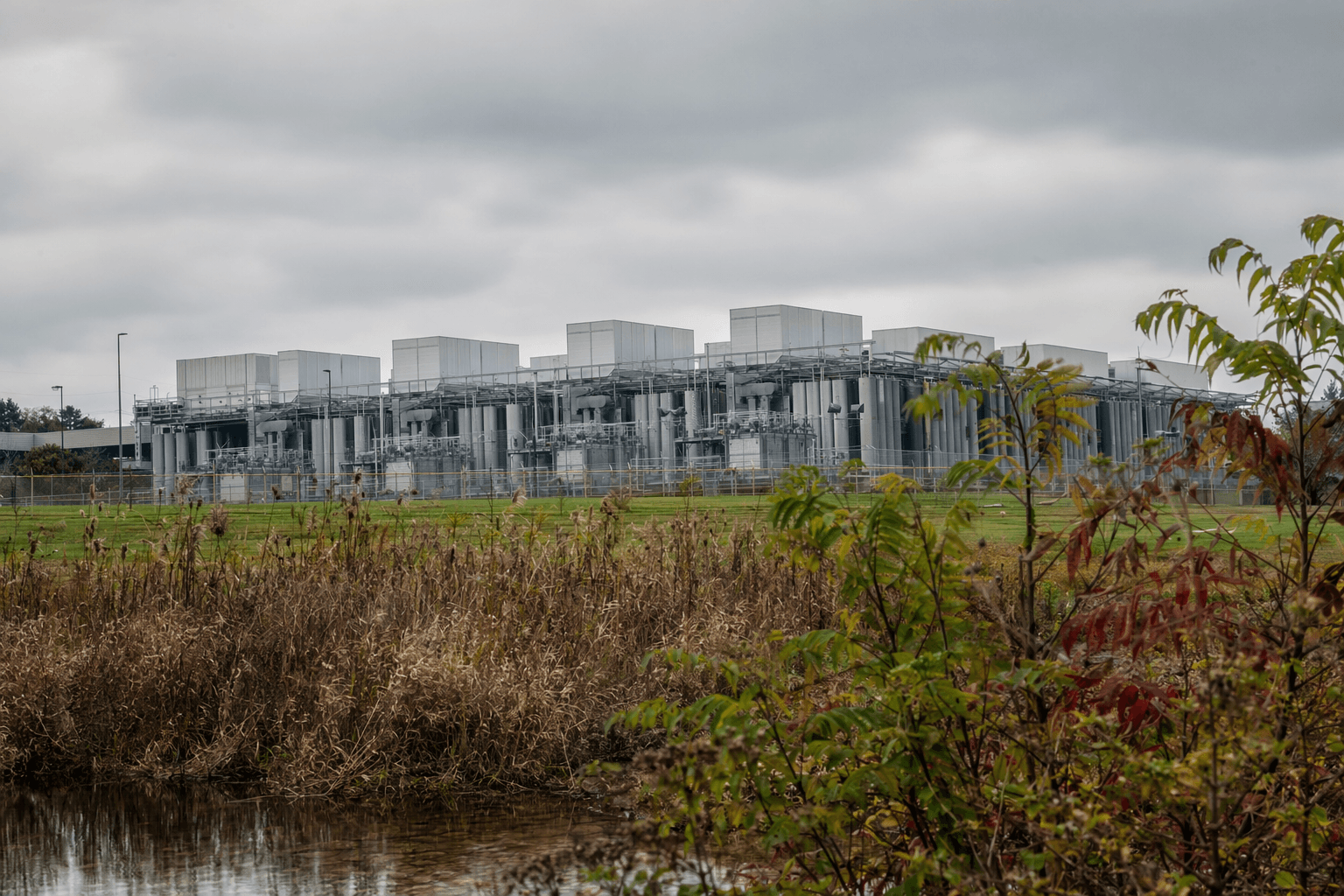
The concern is not abstract in Lawrence. Lawrence Journal-World reported in April that the Lawrence Energy Center and nearby high-voltage transmission lines make the city a plausible target for power-hungry projects. Residents worry that the city may be accidentally leaving the door open to an industry that could shape land use and utility costs for years if rules are not tightened before a proposal arrives.
Douglas County is already wrestling with the same issue. On May 6, county residents and commissioners discussed a possible moratorium or ban on battery energy storage systems and data centers, and staff said a text amendment was being drafted. County officials had first been asked in July 2024 to study how to address data centers, battery energy storage systems and cryptocurrency mining in county code.
The stakes are rising statewide too. Kansas enacted Senate Bill 98 in 2025, creating a 20-year sales and use tax exemption for qualified data centers that invest at least $250 million and create at least 20 jobs within the required timeline. The Kansas Department of Commerce says the incentive is intended to attract large-scale, permanent data-center development. That combination of state tax policy, local zoning language and heavy utility demands now leaves Lawrence facing a basic policy question: whether the city is actively inviting data centers or simply not regulating them tightly enough yet.
Know something we missed? Have a correction or additional information?
Submit a Tip