Three Lawrence lawyers, judges seek open Kansas Supreme Court seat
Three Lawrence attorneys are in line for a Kansas Supreme Court seat that could shape rulings on abortion, schools and criminal appeals across Douglas County and beyond.
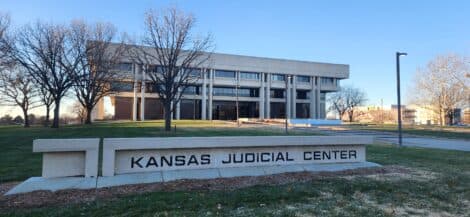
Douglas County could soon have a direct hand in filling a Kansas Supreme Court seat that will shape fights over abortion rights, school funding, criminal appeals and government transparency for years to come.
Three Lawrence legal figures, Douglas County District Court Judge Amy Hanley, Douglas County District Court Judge Carl Folsom III and attorney Meryl Carver-Allmond, are among seven people seeking the vacancy created when Justice Marla Luckert retired March 28 after 23 years on the court. Their names put Lawrence squarely inside a statewide appointment process that often feels remote to local residents, but the decisions made on the Kansas Supreme Court reach into classrooms, courtrooms and public records requests across Douglas County.
Hanley has served on the Douglas County bench since 2016 and spent 15 years in jury trials before that. University of Kansas materials say she brings more than 22 years of criminal justice experience. Folsom was appointed to the Douglas County District Court in 2022 and now handles general civil litigation, domestic and limited actions. KU Law says he previously worked as a trial attorney with the Office of the Federal Public Defender in Topeka and has also taught trial advocacy. Carver-Allmond is currently general counsel to Kansas Supreme Court Chief Justice Eric S. Rosen and previously worked as a research attorney for a former Kansas Court of Appeals chief judge.
This is not the first time the three Lawrence applicants have landed in the middle of a Supreme Court opening. They also applied when Justice Evelyn Wilson resigned effective July 4, 2025, after being diagnosed with ALS. Hanley was one of the three finalists for that vacancy before Gov. Laura Kelly selected a Leawood attorney. The repeat appearance of the same three names gives this round a familiar, near-miss feel for Lawrence’s legal community.
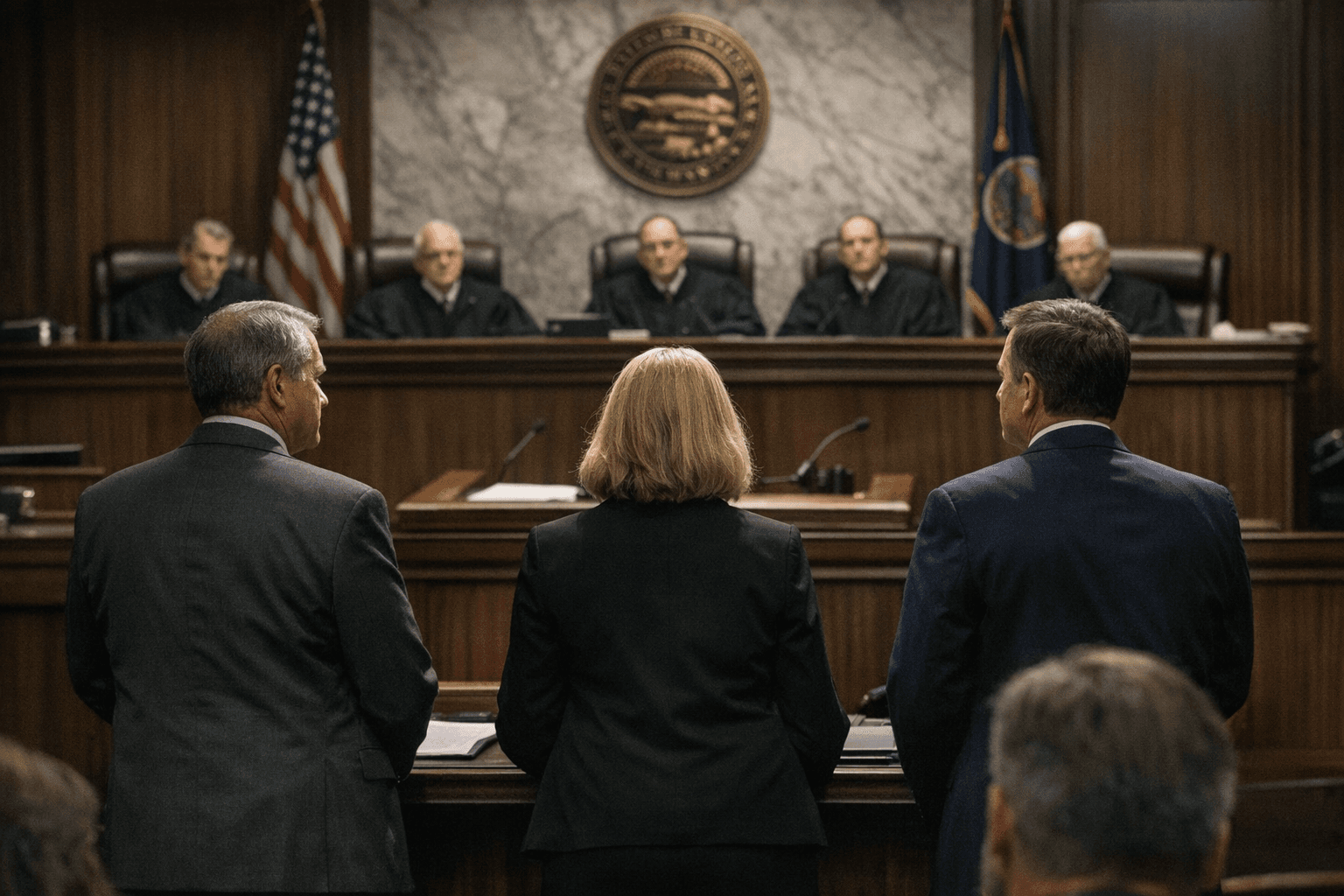
The next step comes before the Kansas Supreme Court Nominating Commission, which is scheduled to meet by videoconference Tuesday to set interview dates and handle other procedural matters. The nine-member commission includes one lawyer and one nonlawyer from each of Kansas’ four congressional districts, plus one lawyer chair elected statewide by other lawyers. Kansas voters added the merit-based system to the state Constitution in 1958, and after the commission interviews applicants it forwards three nominees to the governor. Any new justice must later face a retention vote after the first full year in office, then every six years after that.
For Douglas County, the race is more than a personnel shuffle. It is a chance for a local judge or lawyer to move into the court that helps set the rules governing everyday life in Kansas, from school finance disputes to criminal appeals, and the decision now moves into the hands of a commission built to test legal experience, public standing and statewide judgment.
Know something we missed? Have a correction or additional information?
Submit a Tip