Dubois County’s Trail of Faith links 19 historic churches
An 85-mile church trail turns Dubois County history into a day trip, linking Jasper, Ferdinand and Huntingburg with 19 century-old churches.
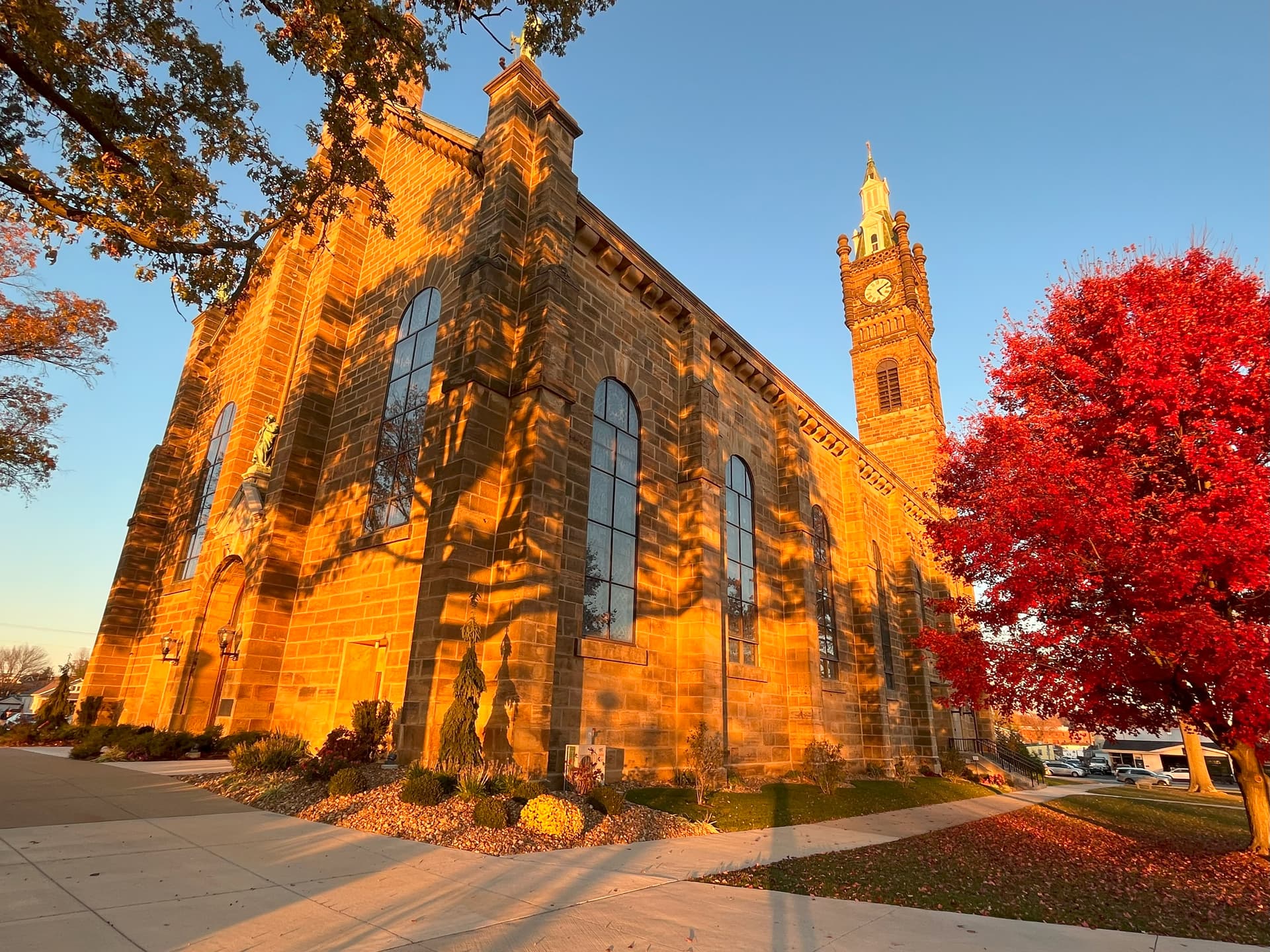
Start in Jasper at St. Joseph Catholic Church, then use Dubois County’s Trail of Faith as a self-guided road trip that stretches about 85 miles, depending on the route you choose. Visit Dubois County says the trail connects 19 churches that are more than 100 years old, while a broader spiritual-landmarks page uses a count of 20, giving the county a flexible but clearly defined itinerary that can fill a full day or be broken into shorter loops.
How to drive the trail
The easiest way to think about the route is as a three-part trip: Jasper for the county’s best-known Catholic landmark, Ferdinand for its monastic core, and Huntingburg, Ireland, Duff and the surrounding rural communities for the smaller churches that show how faith spread across the county. Because the trail is self-guided, you can begin wherever you want and stop as often as you like, which makes it easy to combine church visits with lunch, browsing and a stop at another local attraction.
A shorter outing can stay centered on Jasper, Ferdinand and Huntingburg. A longer drive can pull in the eastern and southern communities and turn the route into a broader tour of Dubois County’s back roads, small towns and historic churchyards.
The anchor stops that define the route
St. Joseph Catholic Church in Jasper is the natural starting point. Founded in 1837 by Croatian missionary priest Father Joseph Kundek, the parish’s current Romanesque church was completed in 1880, consecrated in 1888 and listed on the National Register of Historic Places. Its tower rises 235 feet, the parish has nearly 5,000 parishioners, and the original construction cost was $80,000, which gives the stop both architectural weight and a sense of how central the church remains.
From there, Salem United Church of Christ in Huntingburg adds a different thread of county history. German immigrants originally built the congregation in 1842, and the current building dates to 1889. Holy Family Catholic Church in Jasper, established in 1873 by German immigrants, reinforces how much of Dubois County’s church landscape grew from immigrant settlement rather than from one single denomination or town.
Ferdinand brings the trail into a deeper monastic history. The Monastery Immaculate Conception was founded in 1867 by four young Benedictine sisters from Covington, Kentucky, and it is home to one of the largest communities of Benedictine women in the United States. Nearby St. Meinrad Archabbey, founded in 1854 by Swiss monks, adds another major faith site to the county’s religious geography and helps explain why Ferdinand and its surroundings became such an important spiritual hub.
The trail also reaches into a long list of smaller but still historic churches and communities, including St. Mary Catholic Church in Ireland, Christian Church of Duff, Emmanuel Evangelical Lutheran Hill Church, Ireland Methodist Church, Lemmons Church, Shiloh Church, St. Anthony of Padua Catholic Church, St. Ferdinand Catholic Church, St. Henry Catholic Church, St. James Lutheran Church, St. Joseph Church, St. Mary’s Catholic Church in Huntingburg, St. Paul’s United Church of Christ, Maple Grove United Methodist Church and Our Sorrowful Mother of Mt. Calvary Chapel. The trail’s honorable mentions broaden the route further with the First Mass Site near Ferdinand, St. Paul’s Kirche in Santa Claus, St. Meinrad Archabbey, Monte Cassino Chapel and Sacred Heart of Jesus Catholic Church in Schnellville.
What the trail says about Dubois County
Dubois County was formed on December 20, 1818, and named for Toussaint Dubois. That early county date matters because the Trail of Faith is not just a church drive, it is a settlement timeline in roadside form. Indiana historians note that the first German settlers initially met in private homes for services, so the churches along the route are the built record of a much earlier home-based religious life.
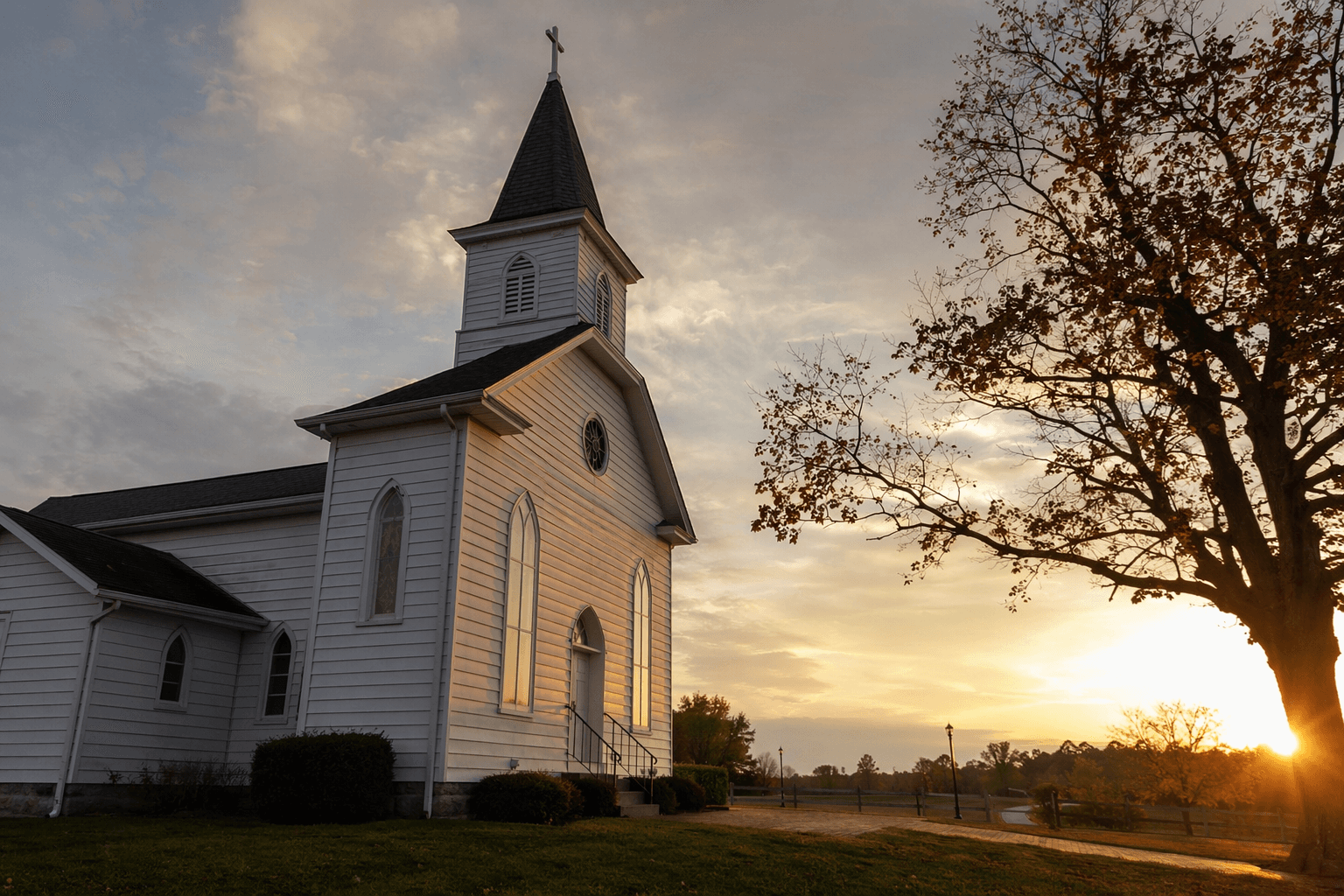
The county’s German heritage runs through much of the trail. Ferdinand was founded in 1840 by Rev. Joseph Kundek as a settlement for German Catholics, and the county’s broader story includes the way families changed names and language use during World War I. Put together, the route shows how worship, language and community identity grew together rather than separately.
Why the route matters to local spending
Visit Dubois County’s tourism materials frame the Trail of Faith as part of a broader effort to showcase heritage, family-oriented destinations and cooperation that can strengthen the community and economy. That is where the road-trip value becomes practical: a church trail does not just move visitors past old buildings, it moves them between Jasper, Ferdinand, Huntingburg and the smaller towns that can benefit when the same travelers stop more than once in the county.
The same tourism pitch also presents Dubois County as a place for scenic backroads, local cuisine and small-town attractions. That matters for repeat visits. A traveler who starts with St. Joseph in Jasper may also have a reason to detour to Ferdinand for the monastery, or to work Huntingburg into the same day, and every extra stop increases the odds of spending on meals, shopping and admissions elsewhere in town.
Local preservation work deepens that effect. The Dubois County Museum says it is the largest county museum in Indiana, with more than 56,000 items, more than 50,000 square feet of exhibits and annual visitation that exceeds 12,000 visitors. The Jasper-Dubois County Public Library has also partnered with the Indiana State Library and Indiana Memory to digitize historic collections for public access, which gives residents and visitors another entry point into the same local story.
A route that keeps paying off
The Trail of Faith works because it links living parishes, preserved buildings and the towns between them. St. Joseph’s 235-foot tower, Salem’s 19th-century sanctuary, the Benedictine presence in Ferdinand, the county museum’s collection, the library’s digitized archives and the preservation grant for St. Paul’s Lutheran Church in Haysville all point to the same conclusion: Dubois County’s faith heritage is still being used, maintained and interpreted.
A $125,000 matching grant from Sacred Places Indiana for St. Paul’s Lutheran Church in Haysville shows that preservation is not only about memory, but also about upkeep and reinvestment. Add the Hoosier National Forest, which is partly in Dubois County and covers more than 200,000 acres across nine counties, and the trail becomes part of a wider day-trip map that can stretch from church history to woods, museums and small-town stops without ever leaving the county.
That is what makes the Trail of Faith durable. It is a church trail, a settlement story and a spending trail at once, with each stop giving visitors another reason to stay in Dubois County a little longer.
This article was produced by Prism’s automated news system from verified source data, official records, and press releases, then run through automated quality and moderation checks before publishing. The system is built and supervised by the people who set the standards it runs under. Read our full AI policy.
Did this article answer your question?