Jasper weighs four development options for 11-acre Truman Road parcel
Jasper is weighing whether an 11-acre Truman Road parcel should stay public, be naturalized, or be sold, with upkeep now running about $3,500 a year.
Jasper officials are looking at the Truman Road parcel as a public asset first and a development site second: the question is whether 10.75 acres owned by the city should keep costing taxpayers money to mow, or be turned into something with a longer-term payoff for residents.
The Jasper Board of Public Works and Safety heard a presentation from Matt Doukakis, an MBA candidate at Indiana University’s Kelley School of Business, as part of Indiana University’s Sustaining Hoosier Communities work with Dubois County. The site sits at the corner of St. Charles and Truman Roads and includes a grass field, tree cover and a section cut through by a 500-year floodplain and stormwater shed.
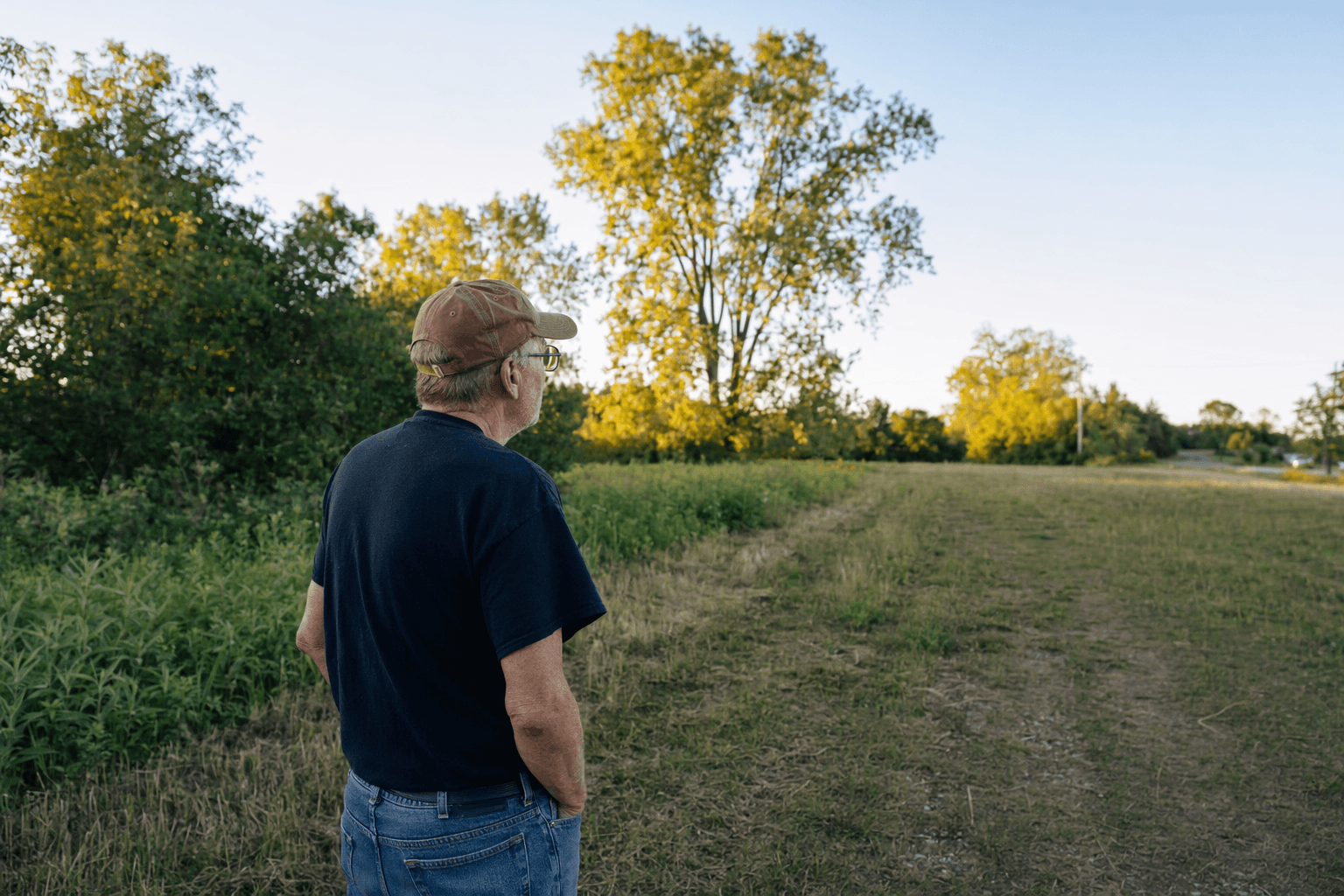
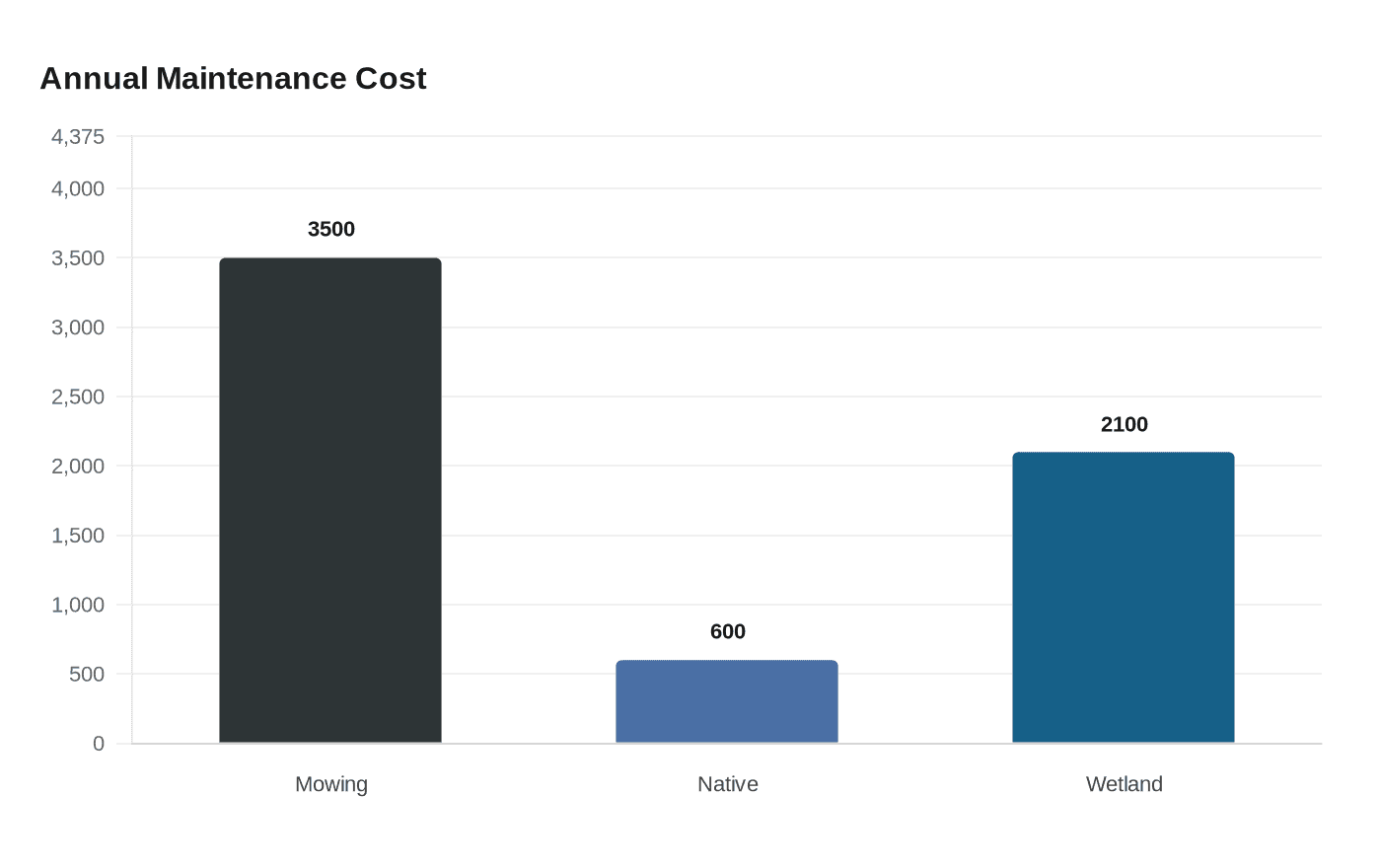
That geography matters. Local coverage summarized the parcel as roughly 60% within the 500-year floodplain, which has made traditional development difficult and has left the city mowing the land about eight times a year at an annual cost of about $3,500. The presentation laid out four paths forward: naturalized open space, a low-intensity recreational park, wetland conversion and land sale.
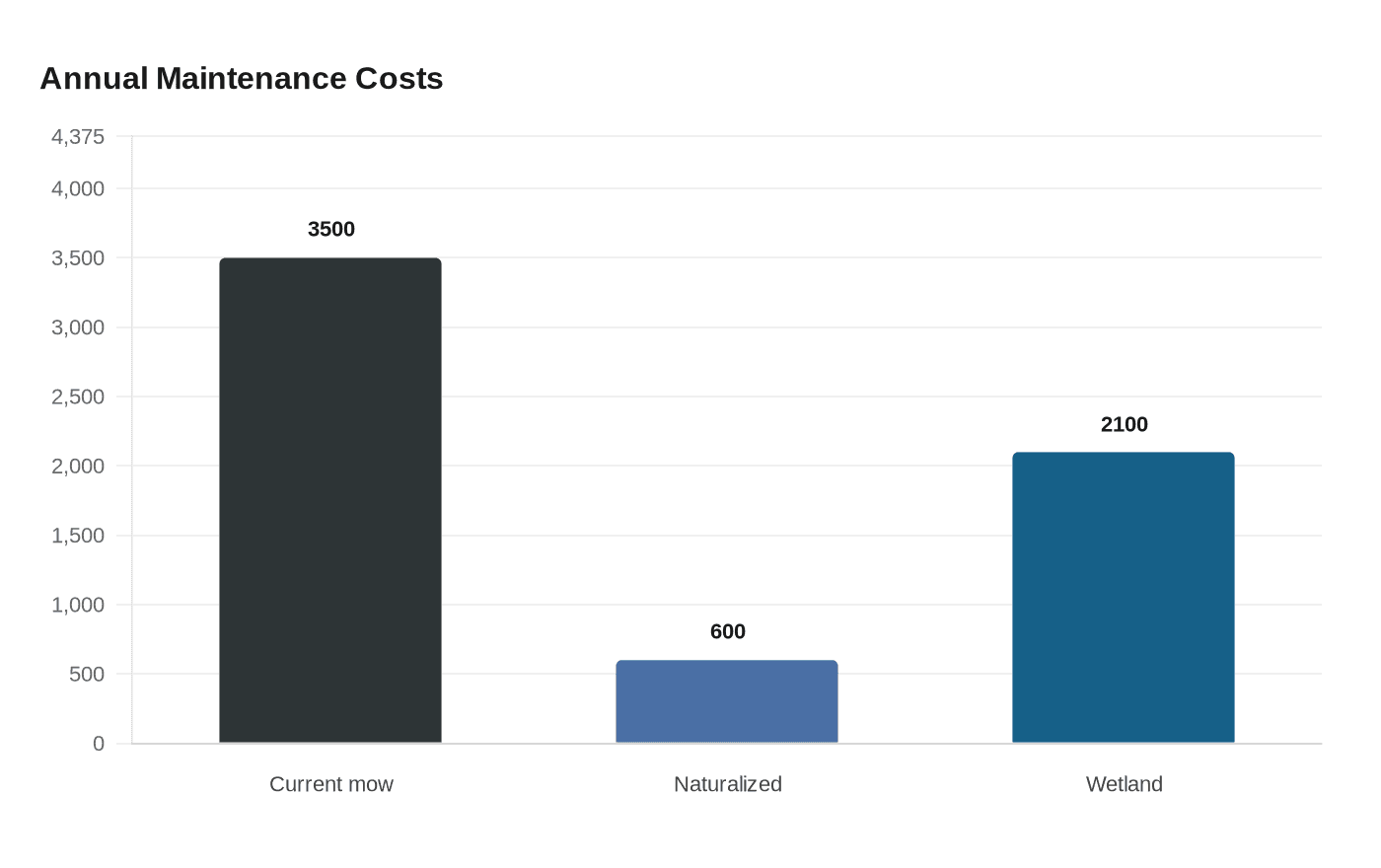
The lowest-cost public option would be to naturalize the property with native wildflowers and grasses. That approach could cut annual maintenance to about $600, but it would take roughly three years for the flowers to mature and could draw pushback from nearby owners used to a manicured lawn. It would also keep the city from locking itself into a more expensive use too quickly.
A recreational park would open the site more directly to the public, but it came with a steeper price tag. Pathway installation alone was estimated at more than $100,000, before long-term upkeep is counted. For Jasper, that means more access, but also more concrete maintenance obligations on a parcel that already has floodplain constraints.
Wetland conversion could fit the site’s hydrology and improve stormwater retention and biodiversity. The presentation summary said annual maintenance could fall to about $2,100, and a Department of Natural Resources grant could potentially cover 80% of construction costs, up to $100,000. If Jasper qualified, the city’s remaining cost could land somewhere around $16,000 to $20,000. The trade-off is permanence: wetlands are heavily regulated and can be harder to convert back later.
Selling the land would end city control and could open the site to private development, but the floodplain and the need for industrial farm equipment to maintain the parcel may limit buyer interest. The sale process itself could cost as much as $18,000 before any revenue comes in.
For Jasper, the Truman Road parcel is not just vacant ground. It is a test of how the city balances maintenance costs, development pressure and flexibility on a sizable piece of public land that could shape the area for years.
This article was produced by Prism’s automated news system from verified source data, official records, and press releases, then run through automated quality and moderation checks before publishing. The system is built and supervised by the people who set the standards it runs under. Read our full AI policy.
Did this article answer your question?