New DCHS leader aims to expand spay-neuter and community services
Dubois County Humane Society named Jordan Wehr executive director on Jan. 8. The hire could expand spay-neuter access and community programs that affect local public health.
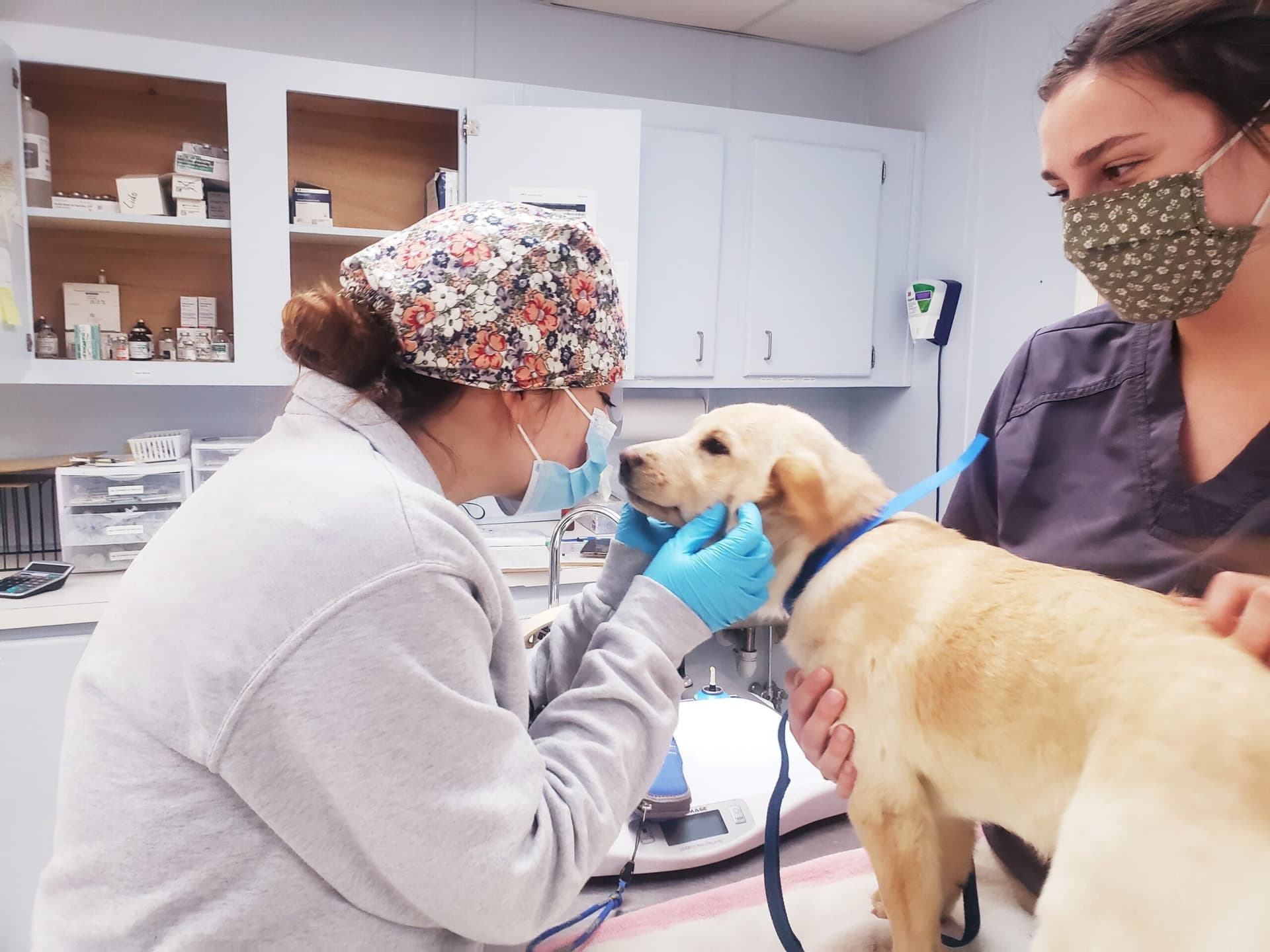
The Dubois County Humane Society announced Jan. 8 that Jordan Wehr will serve as its new executive director, bringing nearly 14 years of animal-welfare experience and a long record of volunteer service to the role. The leadership change comes as the society continues work on shelter initiatives and community programs, including prior plans for a spay-neuter clinic and other public services.
Wehr’s experience with shelter operations and volunteer coordination arrives at a moment when animal-welfare work and public health increasingly intersect. Expanding access to spay-neuter services is a proven strategy to reduce shelter intake, lower euthanasia rates, and limit risks such as dog bites and uncontrolled stray populations that carry public-health implications. For Dubois County residents, that can mean fewer stray animals on country roads, lower chances of costly emergency vet bills, and more predictable control of zoonotic disease risks in both urban and rural neighborhoods.
Beyond the clinic concept, the Humane Society’s ongoing community services aim to reach households that have limited access to veterinary care. Low-cost or mobile spay-neuter options can be particularly important for working families and residents in more remote townships. Those services also relieve pressure on local animal-control budgets and create opportunities for partnerships with veterinarians, municipal leaders, and public-health agencies to secure funding and integrate vaccination and education programs.
The society’s reliance on volunteers and community donors remains central to its capacity. Strengthening volunteer recruitment, improving outreach to underserved areas, and pursuing grants or municipal support will be critical steps if the spay-neuter plans move from planning to operation. Systemic challenges, limited shelter space, rising costs of veterinary supplies, and gaps in transportation for clients, will require coordinated policy responses from county officials and local funders if the shelter is to scale services equitably.
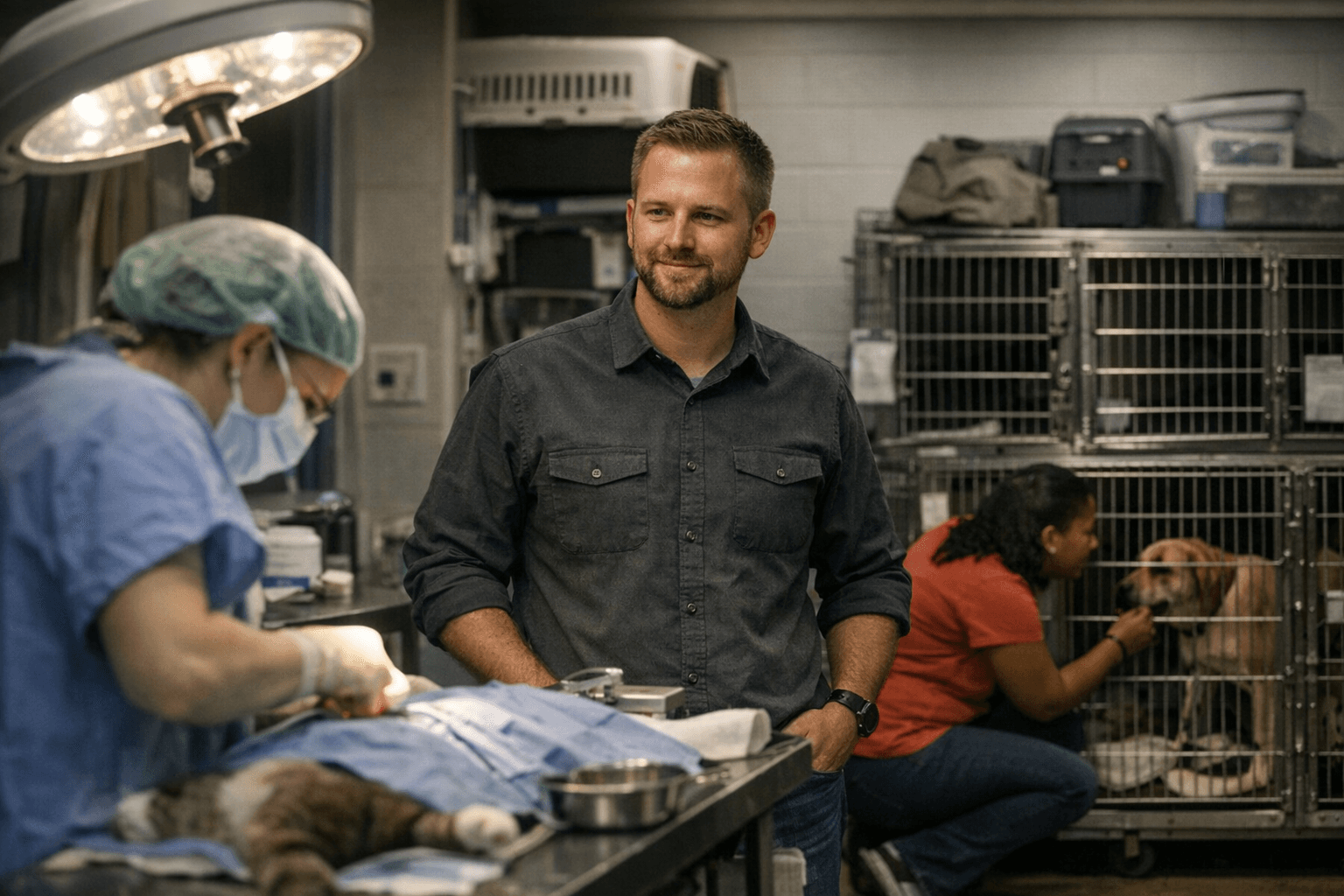
For county residents, the practical effects are clear: expanded clinic services could lower long-term costs, improve pet health, and make neighborhoods safer. Residents who foster, volunteer, or donate help build that capacity, while officials can support sustainability through budget allocations and partnerships with regional veterinary providers.
The takeaway? If you care about pets and public health in Dubois County, check with the Humane Society about volunteer and donation opportunities, ask about plans for affordable spay-neuter options in your area, and keep your pets’ vaccinations up to date. Small steps from neighbors and leaders alike can make a big difference.
This article was produced by Prism’s automated news system from verified source data, official records, and press releases, then run through automated quality and moderation checks before publishing. The system is built and supervised by the people who set the standards it runs under. Read our full AI policy.
Did this article answer your question?