Patoka River refuge hosts bald eagle presentation for America 250th celebration
A live bald eagle program tied America 250 to the bird’s comeback, giving Dubois County families a close look at a national symbol and local conservation.

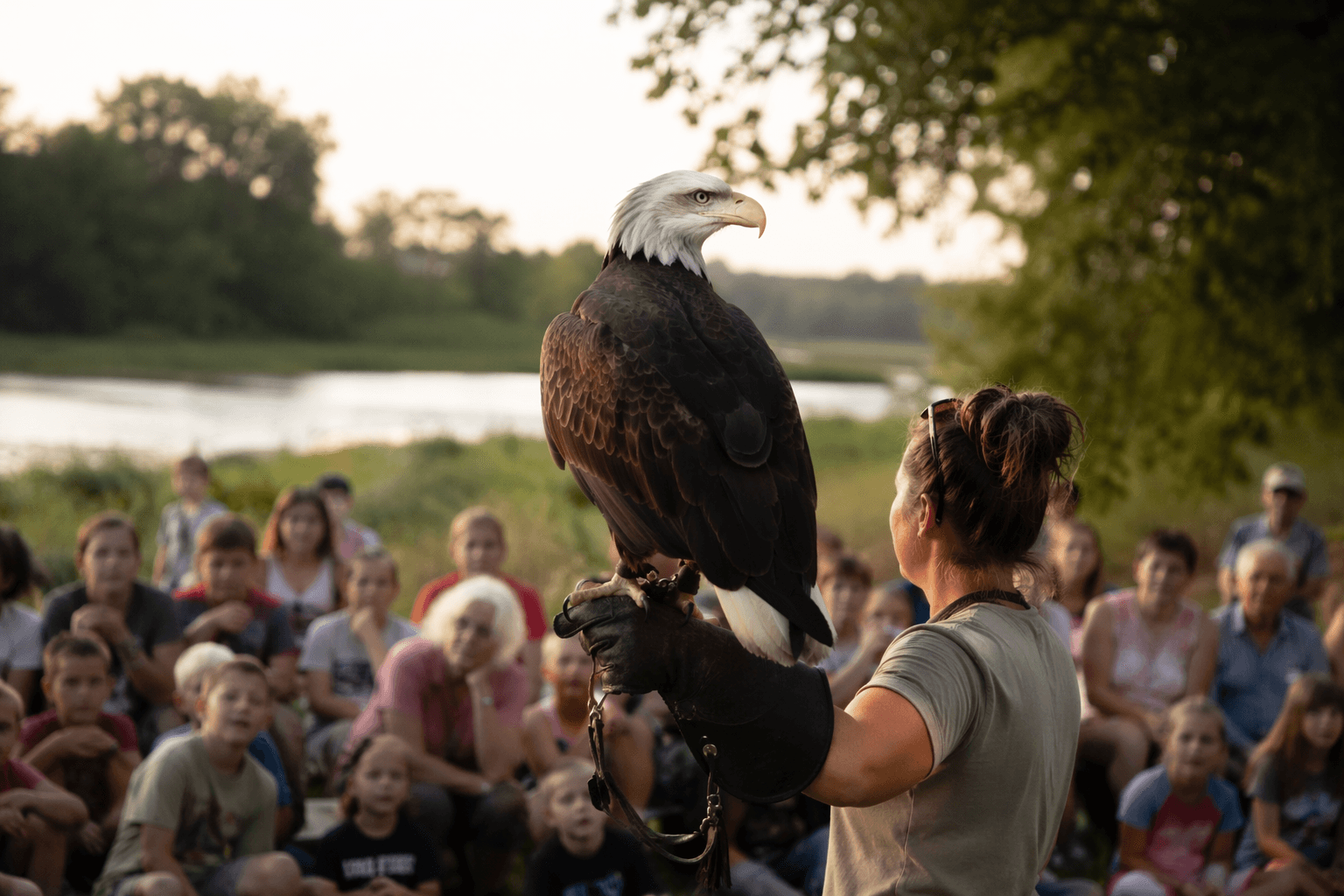
Dubois County families got a rare close-up look at the American bald eagle through a live presentation that tied the bird’s recovery to the nation’s 250th anniversary celebration. Sponsored by the Friends of the Patoka River National Wildlife Refuge, the program turned a patriotic milestone into a lesson in wildlife recovery and regional stewardship.
The Friends group has been part of that work for years. Established in 2009 and granted tax-exempt 501(c)(3) status in 2010, it supports the refuge with projects that include building trails, surveying wildlife and removing invasive species. That hands-on role made it a natural fit to present an educational program built around one of America’s best-known birds.
The setting for that broader conservation story is the Patoka River National Wildlife Refuge and Management Area, which was established in 1994 under the Emergency Wetlands Resource Act. The refuge was created to protect one of the few remaining expanses of bottomland forested wetlands in the Midwest and one of only two intact floodplain forest systems in Indiana. Though the refuge lies in Gibson and Pike counties, its reach extends well beyond those borders for Dubois County residents who use nearby public lands, including Patoka Lake, as part of their outdoor life.
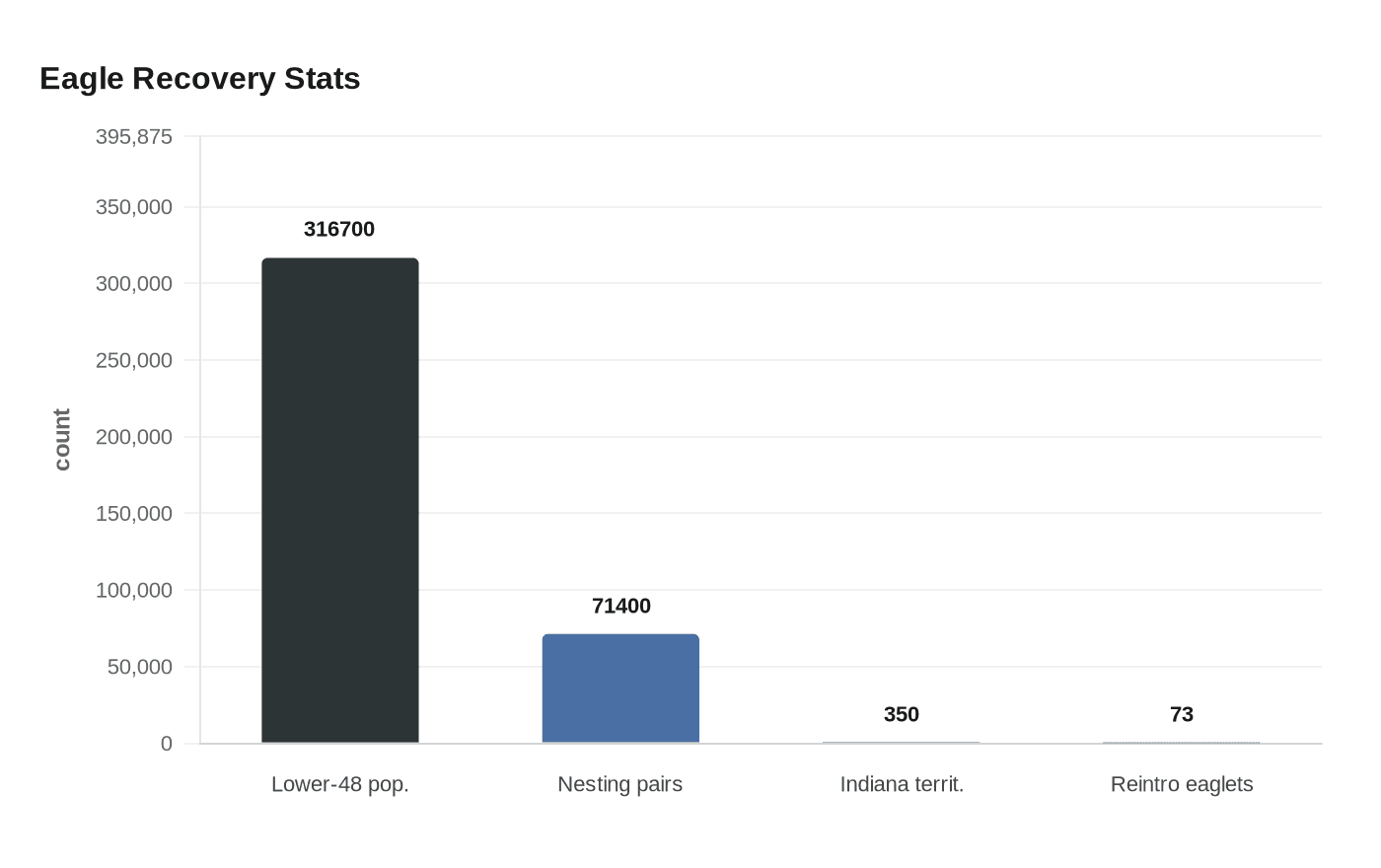
The eagle itself carries the weight of that history. The U.S. Fish and Wildlife Service removed the bald eagle from the federal threatened and endangered species list on June 28, 2007, after a major recovery effort. By 2020, the agency estimated the lower-48 population at 316,700 individual bald eagles, including 71,400 nesting pairs, a dramatic rebound for a species once in steep decline.
Indiana’s own story mirrors that comeback. The Indiana Department of Natural Resources says bald eagles nested in the state until the 1890s, then returned through a reintroduction program that began in 1985 and brought in 73 eaglets from Wisconsin and Alaska through 1989. By 2020, Indiana had more than 350 nesting territories. Adult bald eagles can have a wingspan of 6.5 to 7 feet and can live up to 38 years in the wild.
Patoka Lake adds another local layer to the lesson. The 8,800-acre property is home to educational, non-releasable birds of prey, including a bald eagle, and a former ambassador, C52, helped educate hundreds of people. Together, the refuge, the lake and the Friends group have turned eagle recovery into something more than a success story. They have made it a living part of southern Indiana’s conservation identity.
This article was produced by Prism’s automated news system from verified source data, official records, and press releases, then run through automated quality and moderation checks before publishing. The system is built and supervised by the people who set the standards it runs under. Read our full AI policy.
Did this article answer your question?