USDA warns Dubois County farmers of New World screwworm risk
Dubois County livestock owners now face inspection, treatment and certification rules for animals tied to screwworm-infested zones, with penalties for missed movement requirements.
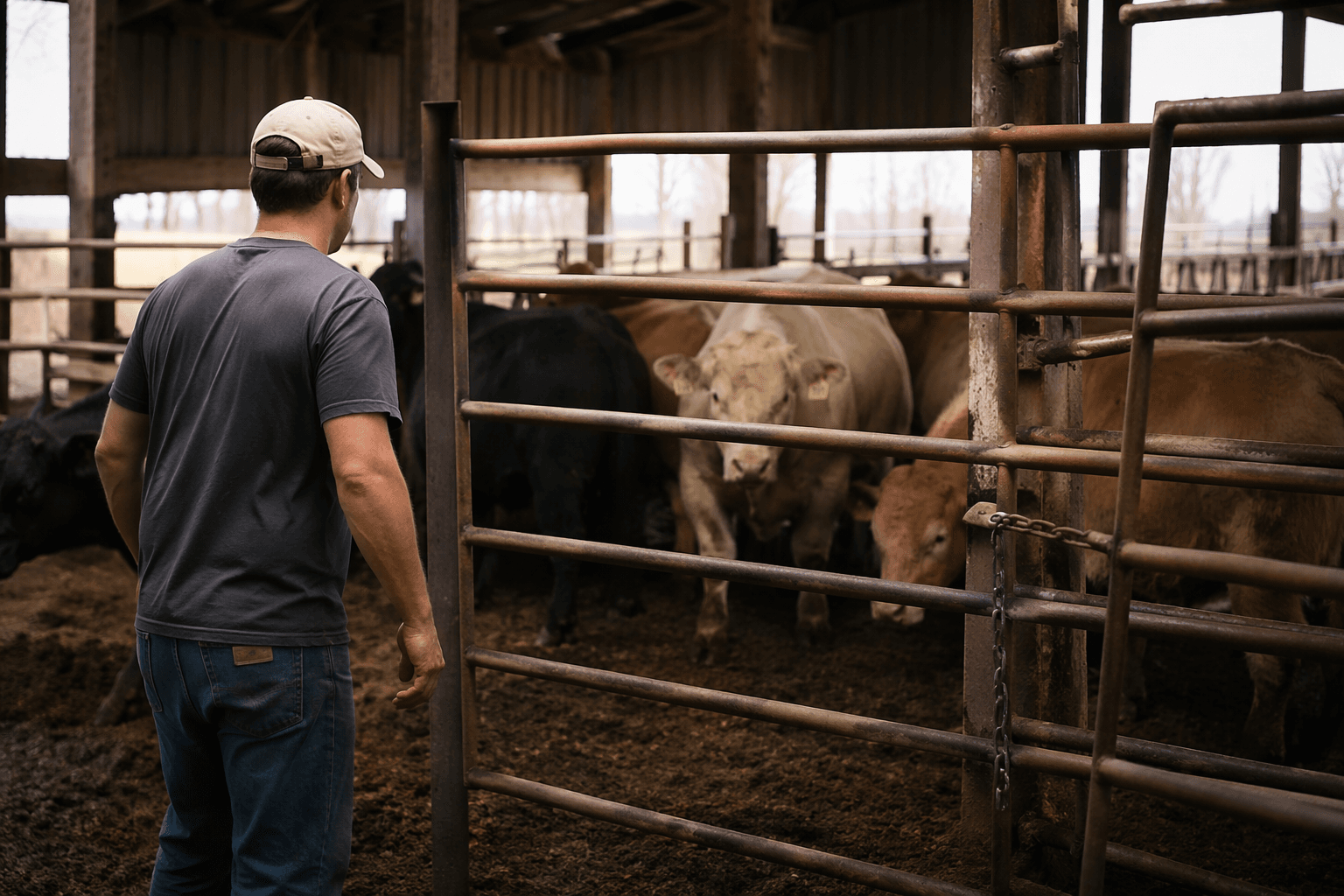
Dubois County farmers, sale-barn users and pet owners moving animals out of state now have a new biosecurity checkpoint to clear before cattle, horses, sheep, goats, swine, poultry, dogs or cats travel from federally designated New World screwworm zones in Texas and New Mexico. Indiana’s animal health board has tied its screwworm page to federal response materials, state entry-health requirements, a June 9 advisory, reporting instructions and an online form, turning what began as a federal warning into a practical checklist for anyone hauling animals to a fair, veterinary appointment or auction.
The USDA’s April 2026 movement guidance is aimed at keeping the pest out of unaffected states while preserving animal commerce. It says animals covered by the rules are those in an infested zone or on premises with infested animals, and those animals must be inspected before movement and either be free of New World screwworm or treated until free of it. If animals are inspected but not slaughtered within 72 hours of movement, they may need drugs or pesticide products before transport.

For Dubois County operators, that means delays and added costs are possible whenever a load needs inspection, treatment or paperwork before crossing a state line. The USDA guidance says there are no movement requirements for animal products because New World screwworm myiasis is not a food-safety concern, but it also warns that failures to comply with animal movement certificate requirements may be subject to state regulations and penalties.
The warning carries weight because the United States eradicated screwworm in 1966, and a 1976 Texas outbreak produced losses the Congressional Research Service estimated at $732 million in 2024 dollars, or about $1.8 billion to the state’s livestock producers and economy. The CRS says untreated infestations can kill a host within one to two weeks. It also notes that detections in Panama climbed from about 25 cases in 2023 to more than 6,500 cases, showing how quickly the pest can spread through Central America and into Mexico.
The Centers for Disease Control and Prevention activated a Level 3 emergency response on June 11, 2026, supporting USDA and Texas health officials after initial detections in southern Texas and one county in New Mexico. The CDC said no human cases had been reported in the United States and public risk remained low, but veterinarians were urged to report suspicious infestations. For Dubois County, the message is simple: check animals before they move, use the state reporting tools if something looks wrong, and do not let a missed inspection turn into a costly delay at the barn, clinic or fairground.
This article was produced by Prism’s automated news system from verified source data, official records, and press releases, then run through automated quality and moderation checks before publishing. The system is built and supervised by the people who set the standards it runs under. Read our full AI policy.
Know something we missed? Have a correction or additional information?
Submit a Tip
