Big Creek Greenway stretches nearly 16 miles across Forsyth County
Big Creek Greenway now runs nearly 16 miles, and Forsyth County is rebuilding key boardwalk sections while adding access, parking and ADA upgrades.
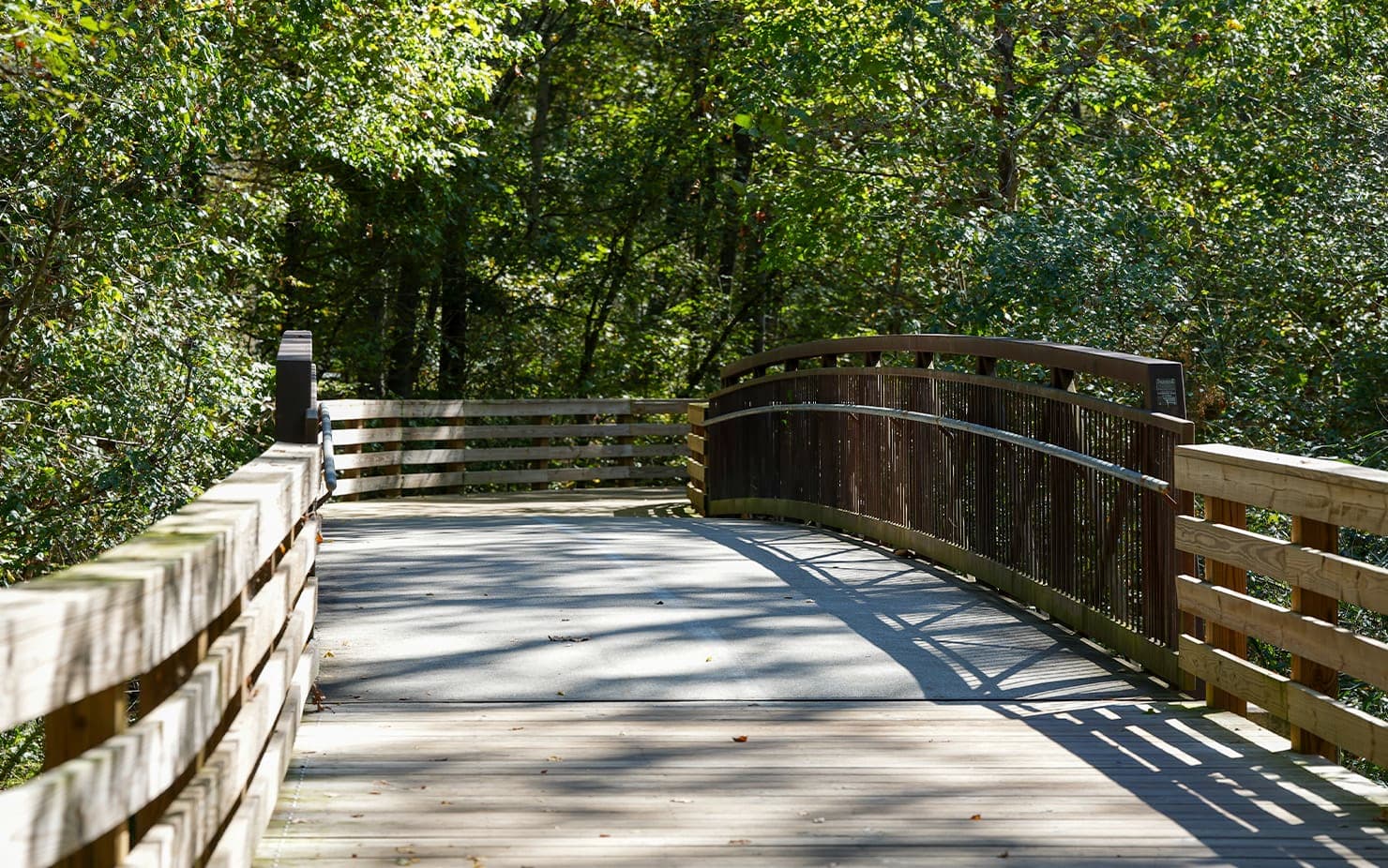
Big Creek Greenway is no longer just a place to walk off an afternoon. It is a 12-foot-wide concrete-and-boardwalk corridor that now runs nearly 16 miles through Forsyth County, connecting neighborhoods, trailheads and parkland in a way that affects how people move, exercise and spend time outdoors. With renovation work underway on key wooden boardwalk sections, residents need to know where the trail starts, which stretches are changing and how the county expects the finished system to work better for daily use.
A countywide trail that functions like civic infrastructure
Forsyth County first opened the Big Creek Greenway in 2009, and the original buildout quickly became one of the county’s most visible public investments. County materials say the trail was designed for walking, jogging, biking and inline skating, and the corridor was envisioned as part of a larger regional network linking Forsyth County to Fulton County. That makes the Greenway more than a recreation path. It is a transportation-and-quality-of-life asset that shapes access to parks, exercise and low-stress outdoor travel.
The county has also treated the Greenway as one of its most heavily used amenities. That matters because heavily used public spaces require maintenance, clear access points and predictable rules about hours and closures. The Greenway’s long, linear design means a problem in one section can affect the experience for people entering from several different trailheads, especially during peak recreation periods.
What is on the trail today
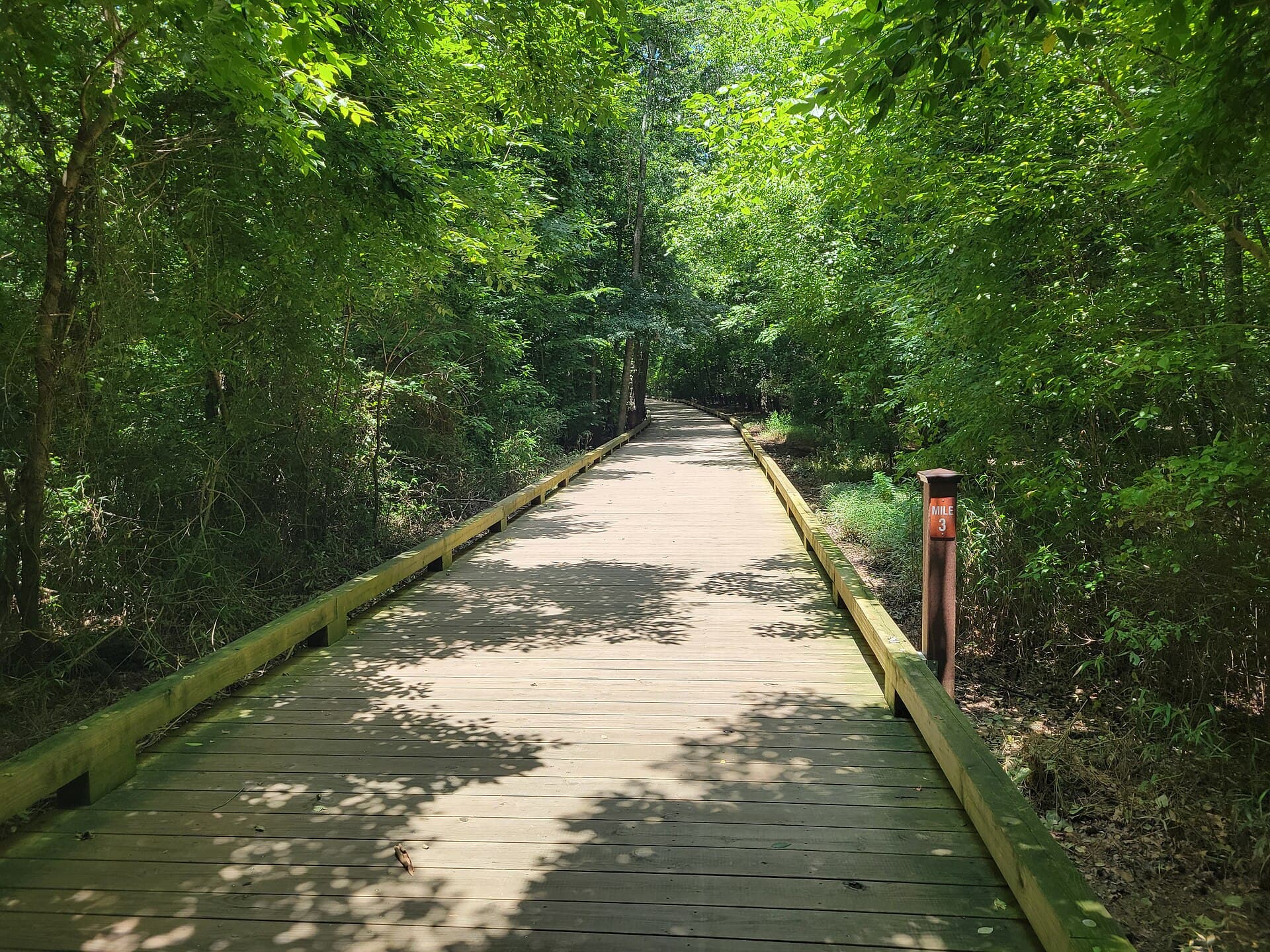
The trail surface combines concrete and boardwalk sections, and the county describes the full route as stretching nearly 16 miles. It is built to serve both casual users and more regular cyclists, runners and skaters, which is why the width, surface changes and connection points matter as much as the mileage. The trail’s practical value comes from that mix of length and access, not just from its scenery.
A county press release from 2009 said an additional portion of the Greenway opened on December 4 of that year, and a 2010 county release said Phases 1, 2 and 3 had opened in 2009 and totaled nearly seven miles. That early expansion set the pattern for the trail’s later growth. Forsyth County now says Phase V will add 5.7 miles from Kelly Mill Road to the Sawnee Mountain Preserve Visitor Center, bringing the county’s Greenway to just over 16.5 miles when complete.
Where to get on, and when the trail is open
Forsyth County lists five access points for the Greenway, giving residents several ways to enter the trail without driving far across the county. Those trailheads are:
- Halcyon Trailhead, 6265 Cortland Walk
- Union Hill Trailhead, 5259 Union Hill Road
- Fowler Park Trailhead, 4110 Carolene Way
- Bethelview Trailhead, 5120 Bethelview Road
- Sawnee Mountain Preserve Trailhead, 4075 Spot Road
The county also posts seasonal hours, which are especially useful for families, commuters and early-morning runners. From March through October, the trail is open from 6 a.m. to 9:30 p.m. From November through February, it is open from 6 a.m. to 7 p.m. The county also maintains a dedicated Big Creek Greenway app, a practical tool for checking access before heading out.
One of the most useful access upgrades has been the Halcyon Trailhead. When it reopened, the county said it added 75 parking spaces and a new restroom facility, two details that make a real difference for longer visits, family outings and weekend use. Parking and restrooms often determine whether a trail is truly usable for a range of residents, especially those coming from different parts of the county.
What is changing now
The county’s current renovation work is centered on safety, durability and accessibility. Forsyth County says the project includes removal and reconstruction of wooden boardwalk sections from Fowler Park to Kelly Mill Drive, along with parking lot and ADA improvements at the Bethelview Trailhead. The work is being done in phases, and temporary closures are part of the plan.
Those changes are about more than surface repairs. The county says the newer materials and methods are intended to reduce maintenance costs and minimize environmental disturbance while improving the overall experience for users. For residents, that means the trail should be easier to maintain, easier to use and more dependable over time, even if some stretches are temporarily closed while work continues.
Why the Greenway reaches beyond recreation
The Greenway’s broader significance shows up in the way it connects communities. TrailLink describes the larger Big Creek Greenway as a 26-mile trail system spanning Forsyth and Fulton counties, with links that reach Cumming, Alpharetta and Roswell. That regional frame helps explain why the corridor matters not only to trail users, but also to people thinking about neighborhood access, local mobility and nearby commercial activity.
The trail’s history also runs deeper than its current mileage. A historical marker source says Big Creek was also known as Vickery Creek and that the creek is named after Charlotte Vickery. That older place history sits beneath today’s modern trail network, tying the Greenway to the county’s landscape and memory as well as to its present-day recreational life.
For many Forsyth County residents, the Greenway is part of ordinary life: a place for a morning run, an evening bike ride, a stroller walk, or a quiet route between trailheads and parks. Its value lies in that everyday use, and the county’s current investment is aimed at keeping that use possible as the trail grows.
This article was produced by Prism’s automated news system from verified source data, official records, and press releases, then run through automated quality and moderation checks before publishing. The system is built and supervised by the people who set the standards it runs under. Read our full AI policy.
Did this article answer your question?