Forsyth County Shelter Nears Capacity; Calls for Adoptions, Fosters
Forsyth County Animal Shelter reported a drop in adoptions and a growing population of animals in need, and on January 4 urged residents to adopt or foster as the facility approaches care capacity. The slowdown in placements affects community welfare, shelter operations, and public health considerations for pet owners across the county.
.png%3Fver%3D2N0CG8dt3LfnVWW7Y_3Xlg%253d%253d&w=1920&q=75)
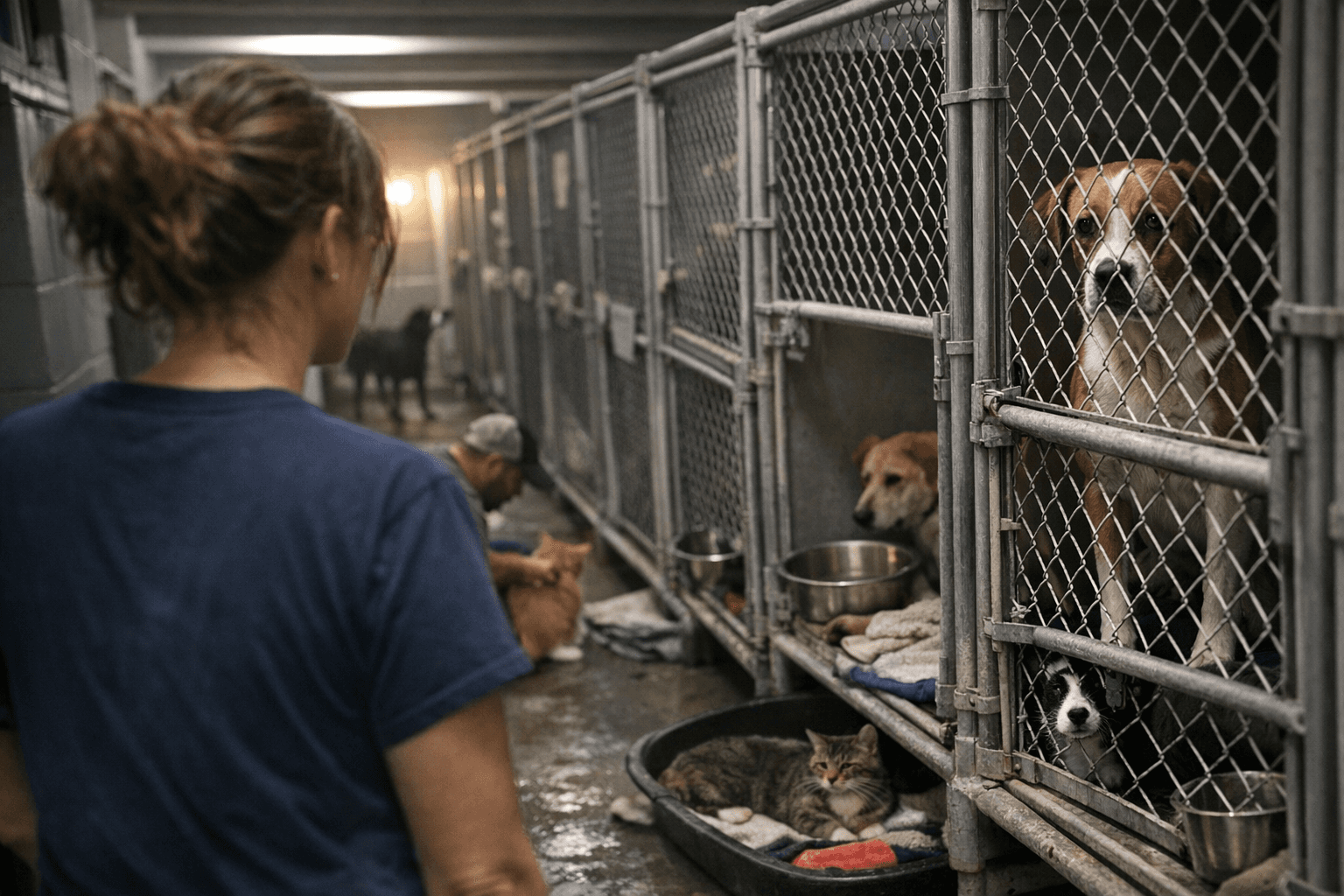
The Forsyth County Animal Shelter reported on January 4 that adoption rates have slowed and the facility is nearing its care capacity, prompting an urgent appeal for residents to adopt or become foster families. Shelter officials said adoptions are down by about 10 percent compared with last year, and that the shelter has recorded 312 adoptions since January 2023. At the time of the announcement the shelter reported more than 50 dogs and 180 cats and kittens currently awaiting homes.
Shelter Manager Cindy Iacopella encouraged residents to consider adoption or joining the shelter’s fostering program. The shelter provides foster families with basic supplies including food, medication, kennels, toys and care instructions to reduce barriers to temporary care and to help animals transition to permanent homes.
A sustained decline in placements strains shelter resources and staff time. As intake remains steady, higher shelter populations increase the need for medical care, vaccinations and behavioral intervention, and can make housing and enrichment more difficult to provide. For residents, that may translate to fewer opportunities to meet and adopt animals and longer lengths of stay for pets already in the facility.
The situation also carries public health implications. Overcrowded conditions can raise stress and illness risks among animals, and maintaining vaccination, parasite control and medical oversight becomes more resource intensive. Community-level responses that expand foster capacity or boost adoptions can ease pressure on shelter operations and lower the risk of preventable disease spread.
Access barriers play a role in adoption trends. By supplying essentials to foster households, the shelter is taking steps to lower up-front costs for families who might otherwise be unable to take animals into their homes. Expanding such supports and ensuring affordable veterinary care and housing policies that accommodate pets would further address equity gaps that affect who can adopt or foster.
Residents interested in helping can view available animals and sign up to foster through the Forsyth County Pet Resource Center on the county website. Increasing local participation in adoption and fostering will directly affect the shelter’s ability to care for animals and reduce pressure on the community safety net.
This article was produced by Prism’s automated news system from verified source data, official records, and press releases, then run through automated quality and moderation checks before publishing. The system is built and supervised by the people who set the standards it runs under. Read our full AI policy.
Did this article answer your question?