Forsyth County Winter Safety Guide: Timing, Prep Checklist, Closures, Contacts, Maps
Ice and snow from Jan 20 disrupted travel and utilities in Forsyth County; this guide explains timing, preparedness steps, closure procedures, contacts, and where to check road conditions.
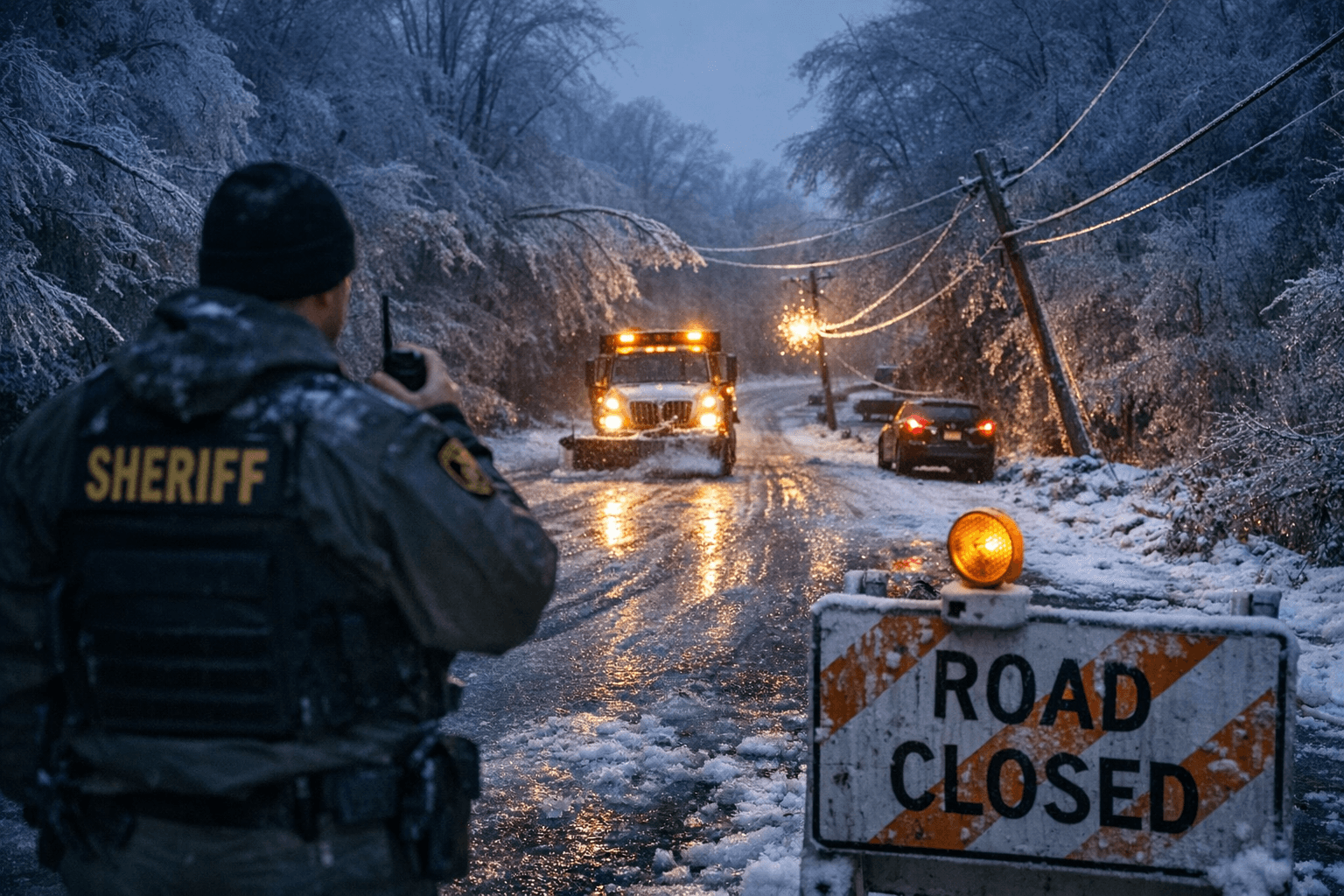
A winter storm that moved through Forsyth County on Jan 20 brought a mix of freezing rain, sleet, and snow that left roads slick, tree limbs strained by ice, and some residents facing outages and limited travel. Understanding the timing, common hazards, and practical steps to stay safe remains important as crews continue assessments and households recover.
The weather delivered thin layers of ice over existing wet surfaces before colder air produced sleet and light snow. That sequence created widespread black ice risk on bridges, overpasses, and untreated side streets. Travel after the event was hazardous for hours as temperatures hovered near freezing and municipal crews prioritized main arteries. Expect lingering patches of ice in shaded areas and on higher elevation roads until sustained daytime temperatures rise.
Prepare now to protect health and property. Keep a seven-day supply of prescription medications or coordinate with your pharmacy and medical provider for emergency refills when possible. Maintain at least three days of water and nonperishable food per person, and keep phone chargers and battery backups charged. Household actions to reduce winter damage include allowing faucets to drip during subfreezing nights, opening cabinet doors to warm pipes under sinks, insulating exposed pipes, and moving outdoor hoses indoors. For homes reliant on electric heat, identify alternate safe heating options and have carbon monoxide detectors on every level.
Vehicle preparedness affects community safety. Keep a winter kit in your car with warm blankets, extra clothing, snacks, water, a flashlight, jumper cables, a shovel, and traction materials such as sand or cat litter. Avoid unnecessary travel while roads remain icy. If you must drive, reduce speed, increase following distance, and be mindful of treatment gaps on secondary streets.
Pets and vulnerable neighbors need attention. Keep animals indoors when temperatures and road salts pose risks and create a safe, warm spot for pets and people who are older, live alone, or have mobility challenges. If you rely on home medical equipment, coordinate with providers for power-loss plans and consider priority registration with utility or public health programs if available.
Closures and updates followed standard local procedures. School districts, municipal offices, and county services issued closure and delay notices through official channels. For urgent life-threatening emergencies, call 911. Report downed power lines to your electric utility’s emergency number or to 911 if immediate danger is present. Non-emergency infrastructure concerns and service questions should be directed to Forsyth County non-emergency contacts or online reporting portals run by county departments and municipal governments.
For current road conditions and incident maps, consult Forsyth County’s interactive road condition maps and state travel maps to plan safe routes and track closures. Follow official county and municipal social media accounts for real-time updates rather than relying on unverified posts.
This winter event underscored how weather intersects with health, housing, and equity. Low-income households, older adults, residents without transportation, and people who work outdoors face greater risks. Community organizations, faith groups, and neighbors remain critical in checking on those most vulnerable. As temperatures recover, prioritize pipe checks, report hazards, and stay tuned to county and school district updates so Forsyth County can move from response to recovery with everyone accounted for.
This article was produced by Prism’s automated news system from verified source data, official records, and press releases, then run through automated quality and moderation checks before publishing. The system is built and supervised by the people who set the standards it runs under. Read our full AI policy.
Did this article answer your question?