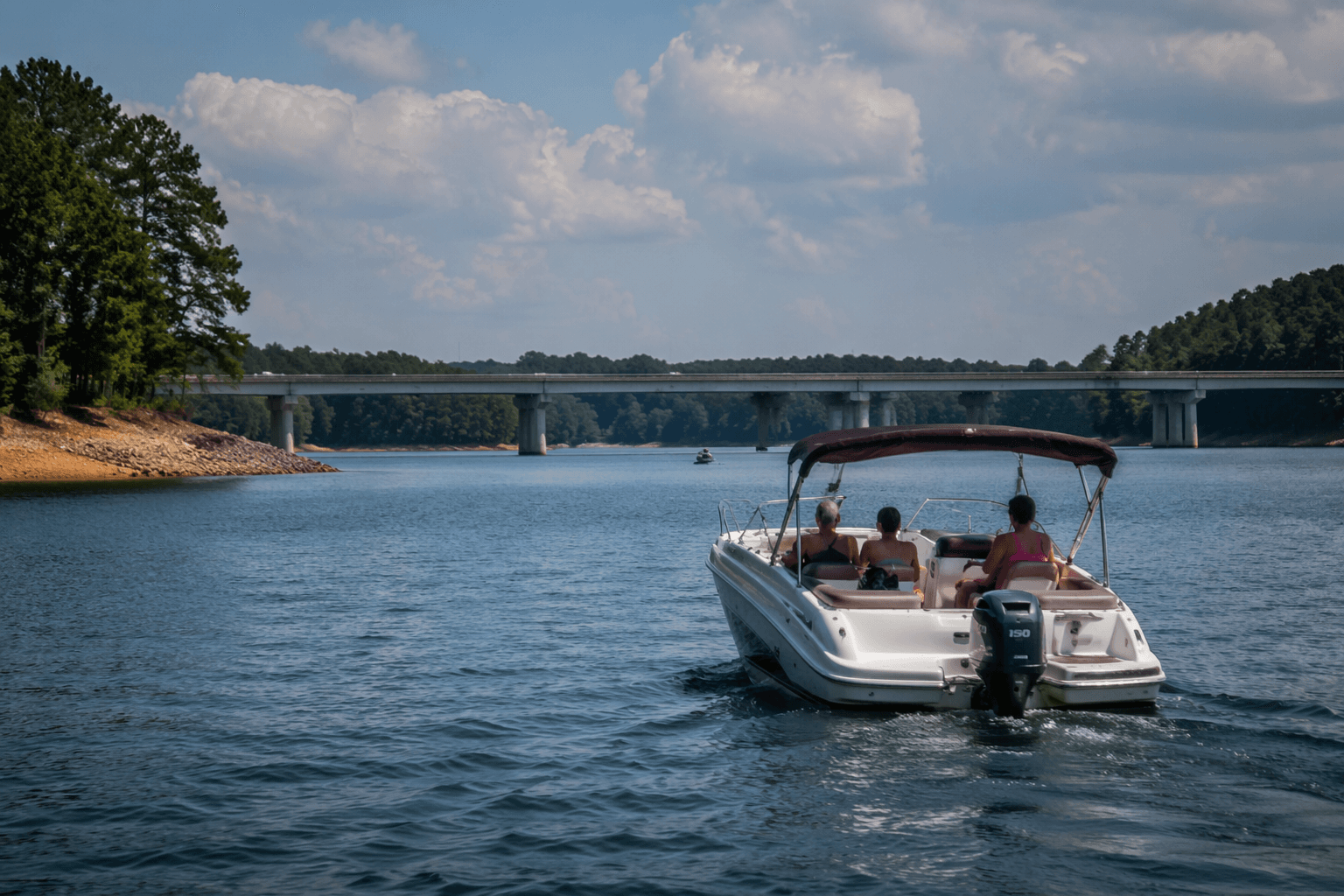
Officials say recent rain barely lifts Lake Lanier amid drought constraints
Lake Lanier rose just 0.07 feet in a day, leaving Forsyth boaters and shoreline users facing a lake still well below conservation pool.
Recent rain has barely moved Lake Lanier, leaving Forsyth County residents with a reservoir that is still too low to shrug off drought concerns. The lake climbed only 0.07 feet in 24 hours and stood at 1,066.01 feet on May 26, well below its 1,071-foot top of conservation pool and far from the 1,085-foot flood pool.
That modest rise matters because Lake Lanier is not managed as a simple recreation lake. The U.S. Army Corps of Engineers says it is a multipurpose reservoir built to store water during surplus periods for drought or reduced inflow, while also serving hydropower, flood control, navigation, water quality and supply, recreation, and fish and wildlife management. Those competing demands mean the lake level can fluctuate as one use has to take priority over another.

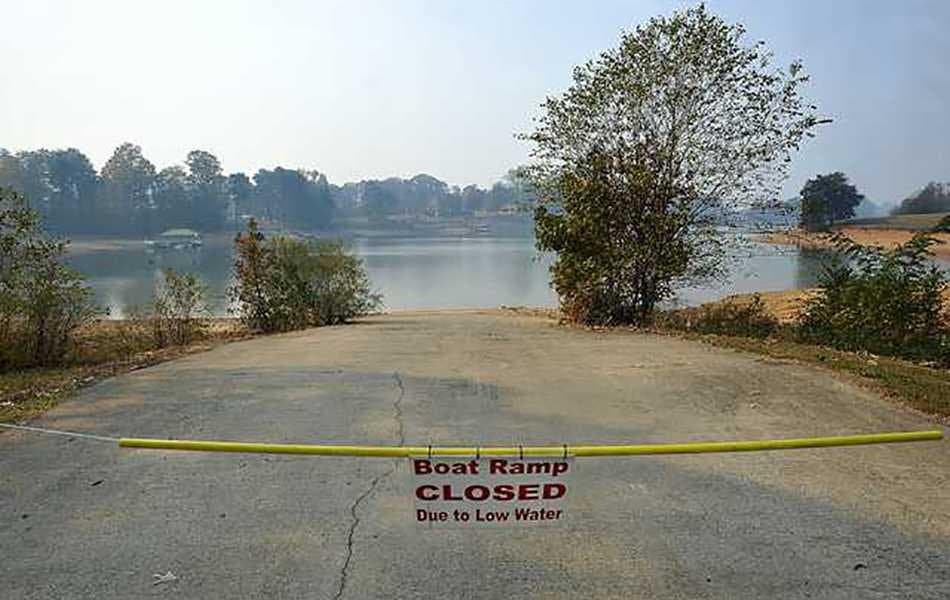
For the more than 3.5 million Georgians who depend on water stored in Lake Lanier or the Chattahoochee River below Buford Dam, the picture remains strained. Downstream releases still support navigation on the river, but they also draw on the same system that keeps summer water supply confidence intact for north Georgia. Around Forsyth County, that translates into practical consequences at boat ramps, along shorelines and in the coves where a few inches can change whether docks sit usable or stranded.

State drought conditions help explain why recent rain has not been enough. Georgia was placed under a Level 1 drought declaration on April 27 after officials said rainfall deficits had reached 6 to 12 inches over the previous six months. By April 30, 100 percent of the state was in severe to exceptional drought for the first time since the U.S. Drought Monitor began in 2000. Atlanta’s rain deficit since September had topped 14 inches, including 6 inches in 2026 alone.
Meteorologists said beneficial rain over the past two days would not immediately appear in the latest drought monitor because it uses data through the previous Tuesday, and they said about three months of above-normal rainfall are generally needed to end a drought. That means Lake Lanier could keep responding slowly even after wet weather. During the 2007 drought, the lake hit a record low of 1,050.8 feet on Dec. 28, 2007, and in early November that year it was still falling about 0.2 to 0.26 feet a day before rain slowed the decline.
The Corps has also warned that lower levels can expose shoals, tree stumps and old roadbeds, adding risk for boaters and swimmers. For now, the key variables are inflow, drought status and how much water downstream release needs will require from Buford Dam.
This article was produced by Prism’s automated news system from verified source data, official records, and press releases, then run through automated quality and moderation checks before publishing. The system is built and supervised by the people who set the standards it runs under. Read our full AI policy.
Did this article answer your question?