State budget drops $2 million Lake Lanier water study funding
Forsyth could wait longer for answers on Lake Lanier’s earthy taste and smell if state study money stays out of the budget, leaving utilities with fewer data and higher future costs.
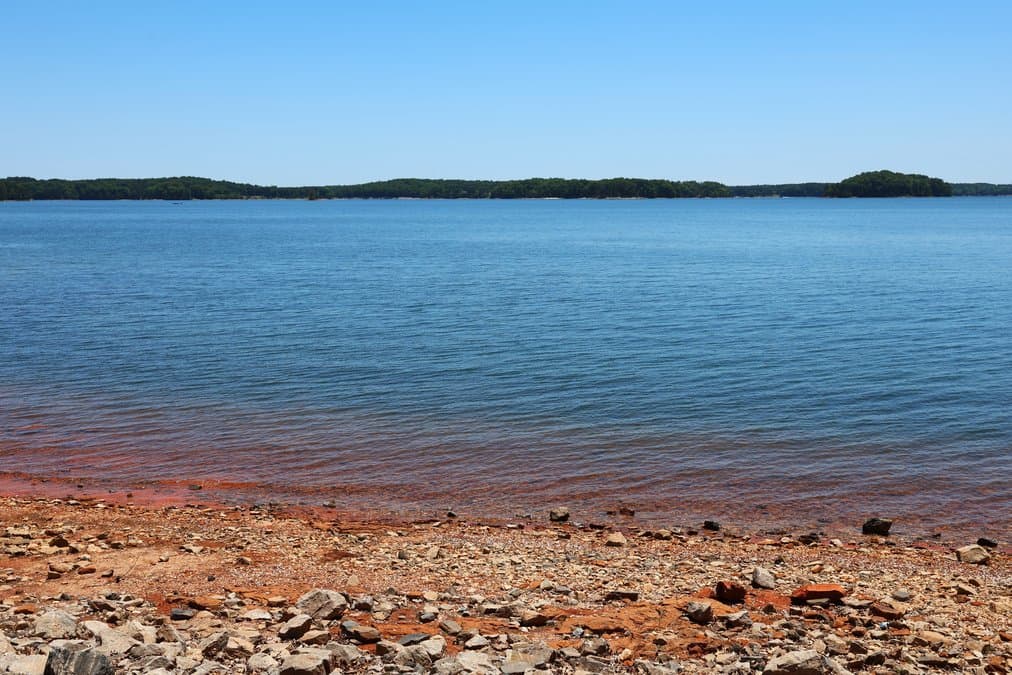
Forsyth County water customers could face a longer wait for answers about Lake Lanier’s earthy taste and odor problem if the state does not keep funding the study meant to explain it. The missing money would not make tap water unsafe, but it could delay the research needed to tell local utilities why the problem keeps coming back and what it will cost to fix.
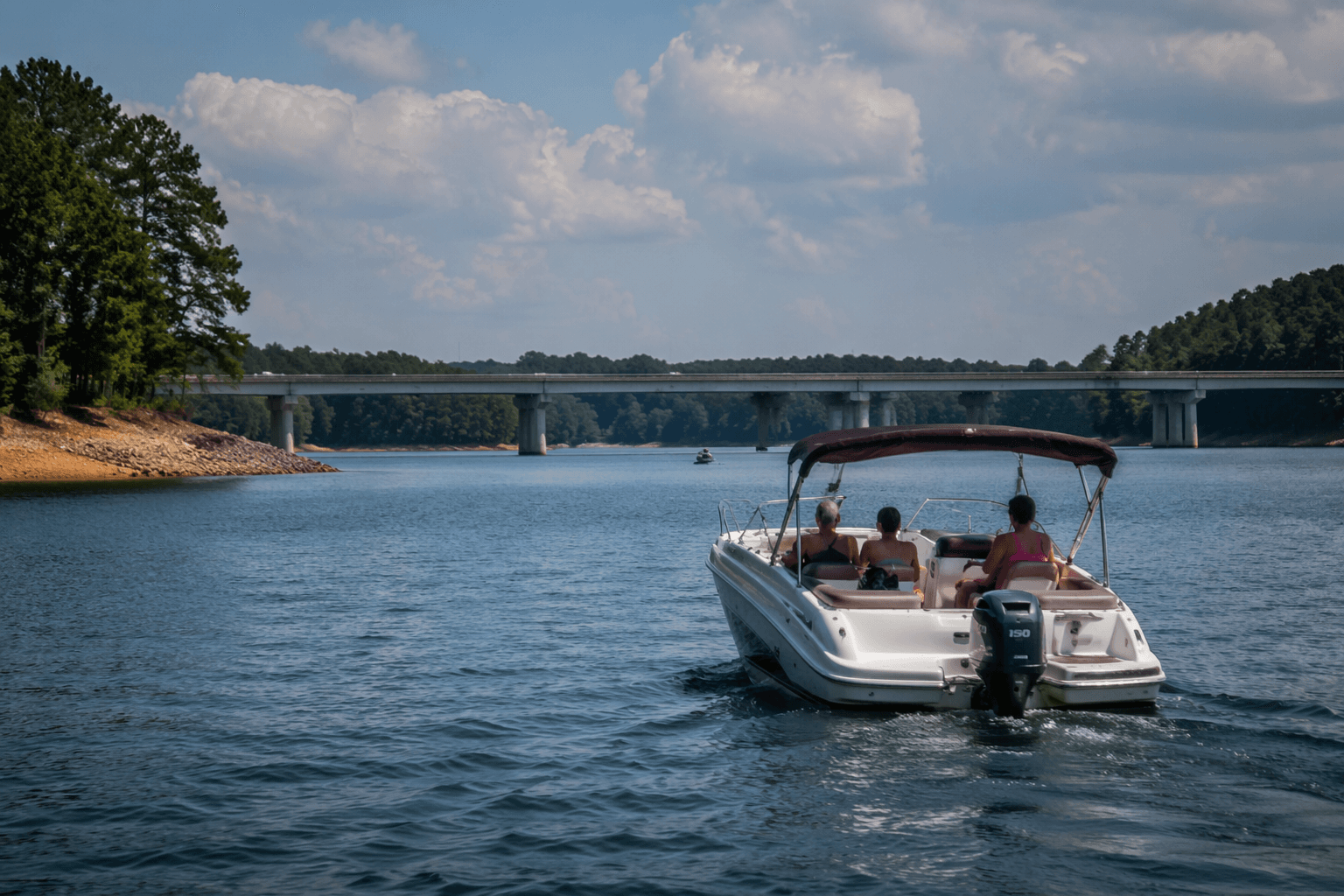
That matters in a county tied to a reservoir that helps supply drinking water across metro Atlanta. Lake Lanier and the Chattahoochee River serve roughly 75% of metro Atlanta residents, and another report put the figure at about 70% of residents getting water from Lanier one way or another. When Lanier turns musty or earthy, the issue reaches far beyond recreation on the lake. It lands in kitchen sinks, restaurant kitchens, hospital systems and utility treatment plants.

Officials have long said the taste-and-odor complaints are usually seasonal and linked to lake turnover and algae-related compounds such as MIB and geosmin, not to a drinking-water safety problem. Forsyth County has previously told residents that Lanier water is safe to drink even when it tastes or smells off. But safety and quality are not the same thing, and repeated complaints can force utilities to adjust treatment, field calls and answer customers without clear long-term answers.
The research money at issue was aimed at studying the levels and causes of geosmin, MIB and algae and bacteria in Lake Lanier. Georgia Environmental Protection Division documents say excess phosphorus is the primary pollutant tied to eutrophication in the state’s surface waters, and that algal blooms can create taste-and-odor problems in drinking water. That is why the debate has turned into a policy question as much as a science question: without better data, local leaders may keep paying for short-term responses instead of a durable fix.

A separate $2.5 million federal grant awarded in December 2025 was designed to study ways to keep nutrient pollution that feeds algae growth from flowing into Lake Lanier, with the work to be run by Albany State University’s Georgia Water Planning and Policy Center. At the state level, the Georgia General Assembly’s FY 2027 budget highlights later listed $2 million for the Georgia Environmental Finance Authority to study and implement findings on Lake Lanier’s odor-related compounds and algae and bacteria. That leaves the funding picture in flux, but the practical question for Forsyth remains the same: how quickly can officials turn complaints into solutions before the costs show up in household bills and water treatment decisions?
This article was produced by Prism’s automated news system from verified source data, official records, and press releases, then run through automated quality and moderation checks before publishing. The system is built and supervised by the people who set the standards it runs under. Read our full AI policy.
Did this article answer your question?