Fresno airport's new parking system raises privacy questions
Fresno Yosemite International Airport switched to a paperless Metropolis parking system on July 14, and its privacy policy shows it can collect license plates, vehicle images and recognition data.
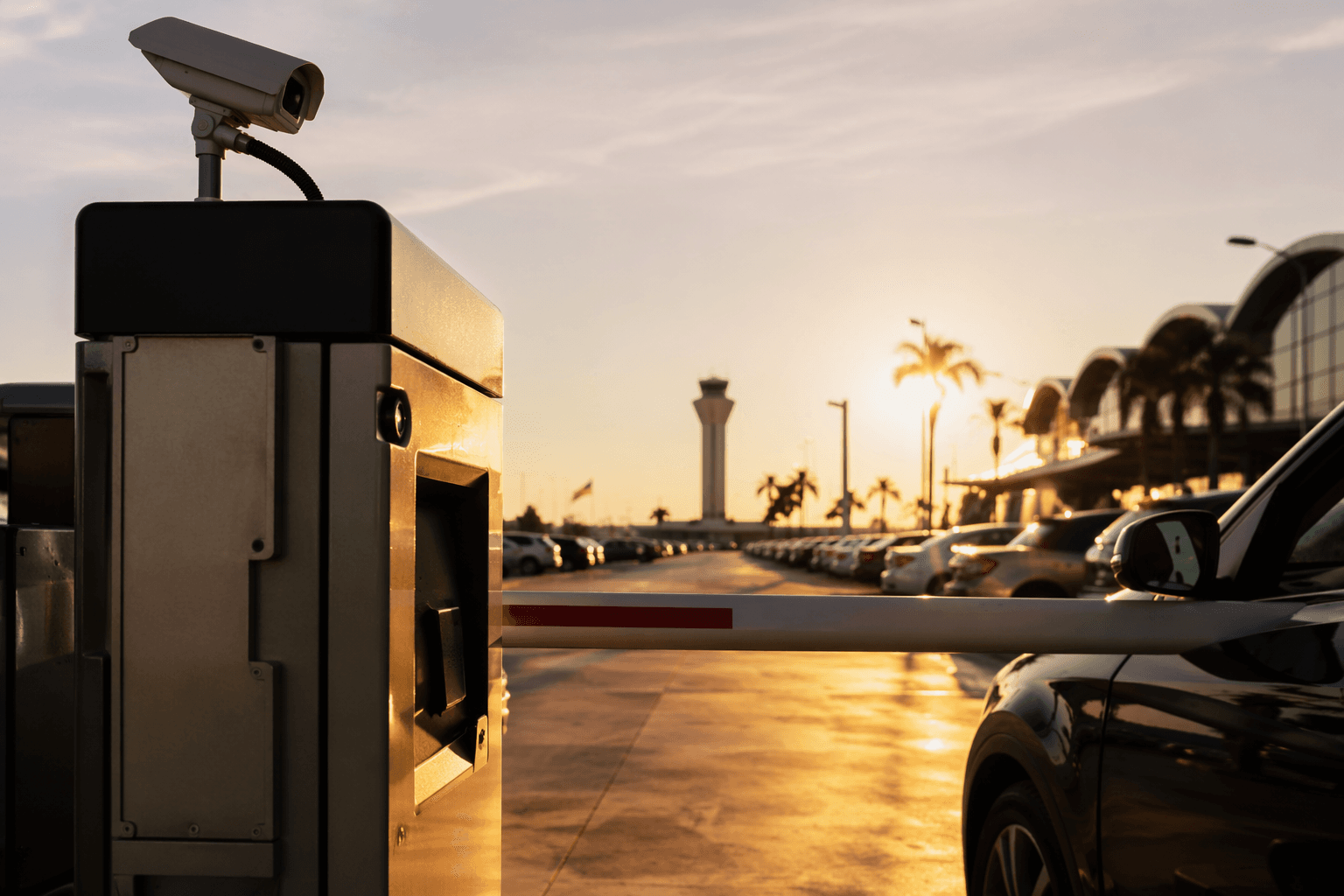
Fresno Yosemite International Airport switched on a new Metropolis parking system July 14, ending the need for drivers to take a paper ticket at entry across all public parking lots. The change promises a faster, drive-in, drive-out experience, but it also puts license-plate readers and automated data collection at the front gate of one of Fresno County’s most heavily used public facilities.
The airport says the system is license-plate-reader based: drivers park, register with Metropolis, and then leave without using a kiosk or ticket. Fresno Yosemite International Airport described the rollout as the largest California airport deployment of Metropolis’ contactless parking system, a sign of how quickly the airport is leaning into software-driven convenience as passenger traffic keeps rising.
That push comes after a major buildout. Fresno Yosemite International Airport completed FATforward, its largest modernization project, in December 2025, and the airport handled 2,752,392 passengers in 2025, nearly 3% more than in 2024. International traffic between Fresno and Mexico climbed to 433,636 travelers in 2025, up 4% from the year before, adding more pressure on parking and curbside flow.
Metropolis’ own privacy policy makes clear what the company’s technology can touch. Its Recognition Platform can use license plate recognition, facial recognition and behavioral analytics. Its parking privacy policy says it may collect vehicle images, license plates and the date, time and location where those images are captured. Metropolis’ terms also define LPR as technology that captures and processes license-plate data to identify vehicles and support parking operations and security monitoring.
That data footprint helps explain why the Fresno rollout is drawing scrutiny. Metropolis has faced regulatory pressure elsewhere, including an $8.75 million Tennessee settlement announced in January 2026 that included restitution, litigation costs, a free-parking program and business-practice changes. The company is based in Santa Monica and has built its business around fully automated parking systems, a model that depends on more information about drivers and their vehicles than a paper ticket ever did.
For Fresno travelers, the practical test will come in the daily details: whether lines move faster, whether the system misreads plates, and how clearly the airport explains what is being collected when a car enters the lot. At a place where families, business travelers and people picking up relatives all rely on parking, the convenience is immediate. So are the questions about how much data the new system gathers every time a driver pulls in.
This article was produced by Prism’s automated news system from verified source data, official records, and press releases, then run through automated quality and moderation checks before publishing. The system is built and supervised by the people who set the standards it runs under. Read our full AI policy.
Did this article answer your question?