Fresno farmworkers start shifts earlier to beat dangerous heat
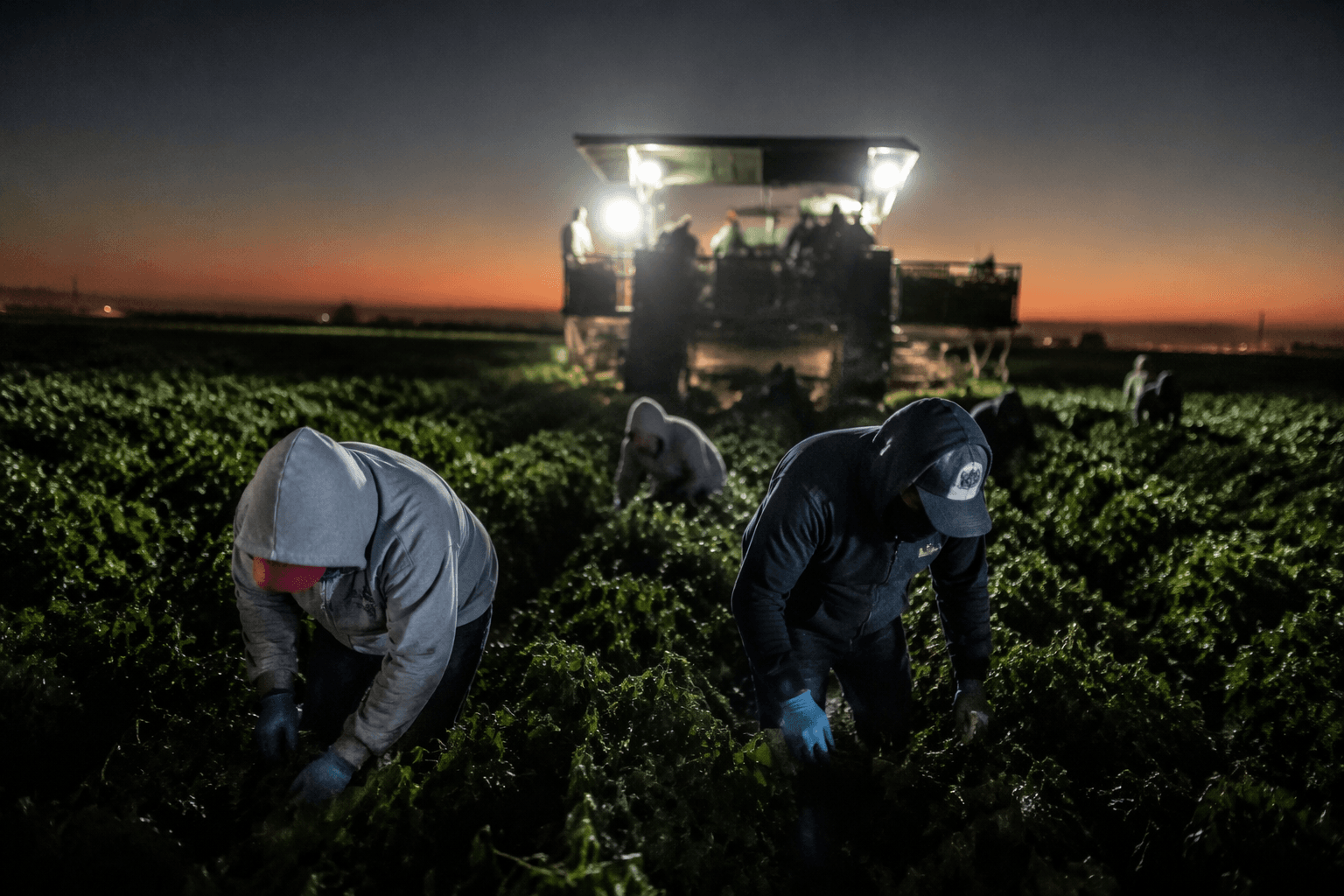
Fresno crews are starting before sunrise as temperatures top 100, racing to finish before midday heat and the breaks needed for water and shade.
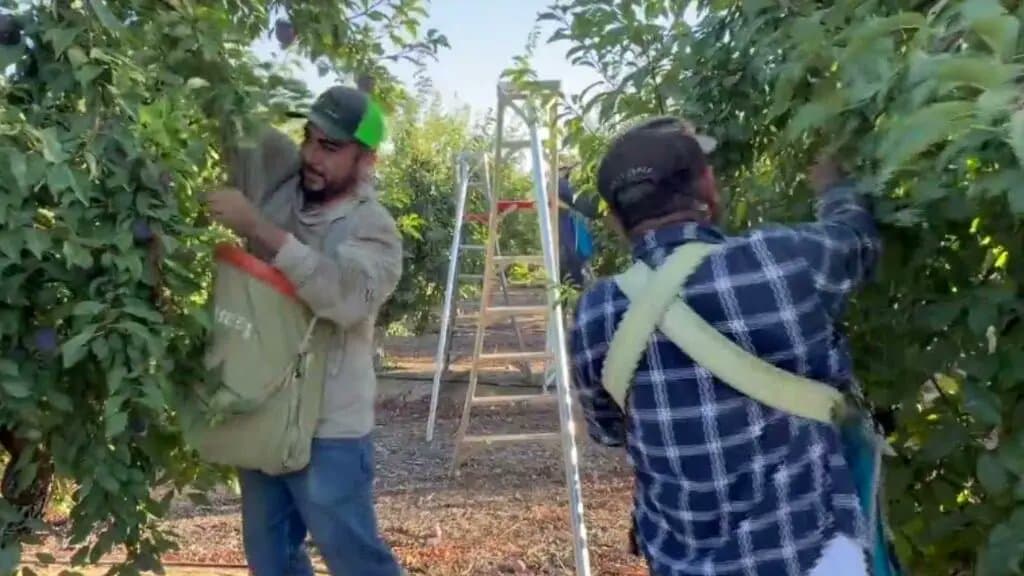
Farm crews across the Fresno region have been moving their shifts earlier to stay ahead of temperatures that climb past 100 degrees, reshaping the workday in the Valley’s fields. The change affects when crews arrive, how long they can keep working before the heat peaks, and how often they must stop for water, shade and rest.
That shift matters in a region that helps feed the country. The Central Valley grows about a quarter of the United States’ food, which makes every stretch of extreme heat a labor issue and a crop issue at the same time. When temperatures stay in triple digits, workers are pushed into the coolest hours of the morning, then forced to slow down as the day gets hotter.
California has required heat protections for outdoor workers since 2005, but the rules only work if employers follow them. Cal/OSHA’s guidance says crews must have water, shade and rest during heat exposure risks, and Fresno County maintains an Extreme Heat page with public information on heat risks and response resources. Those protections are most important when the Valley is locked in a long hot stretch.
The region has already been there. In July 2024, the Valley went through 16 straight days with temperatures at 100 degrees or hotter, a run that showed how extreme heat can reorganize work schedules and raise the risk of illness in the fields. Health experts in Fresno have long warned that heat exposure can lead to dizziness, fainting and worse, especially for farmworkers and other outdoor workers who cannot simply step inside when the sun gets dangerous.
Dr. Kenny Banh, who has worked with UCSF Fresno for more than two decades, has dealt with heat-related illnesses every year. That kind of recurring medical response has become part of the Valley’s summer routine, alongside warnings to hydrate, take breaks and watch for early symptoms before a worker collapses.
Even with the state’s protections on the books, CalMatters reported in August 2024 that California farmworkers were still at risk of heat illness. In Fresno County, where the harvest schedule is tied to the morning temperature, earlier starts are now a basic survival tactic, not just a matter of comfort. Once the mercury passes 100, the workday changes shape around the heat.
This article was produced by Prism’s automated news system from verified source data, official records, and press releases, then run through automated quality and moderation checks before publishing. The system is built and supervised by the people who set the standards it runs under. Read our full AI policy.
Did this article answer your question?