Fresno High Neighbors Move Quickly to Restore Historic Pillar
Neighbors in the Fresno High neighborhood are organizing to rebuild a 10-foot stone-and-brick pillar at Palm and Simpson avenues after it was knocked down in December by an alleged drunk driver. The effort underscores local attachment to neighborhood landmarks and raises questions about historic preservation, municipal responsibilities, and traffic safety at key intersections.
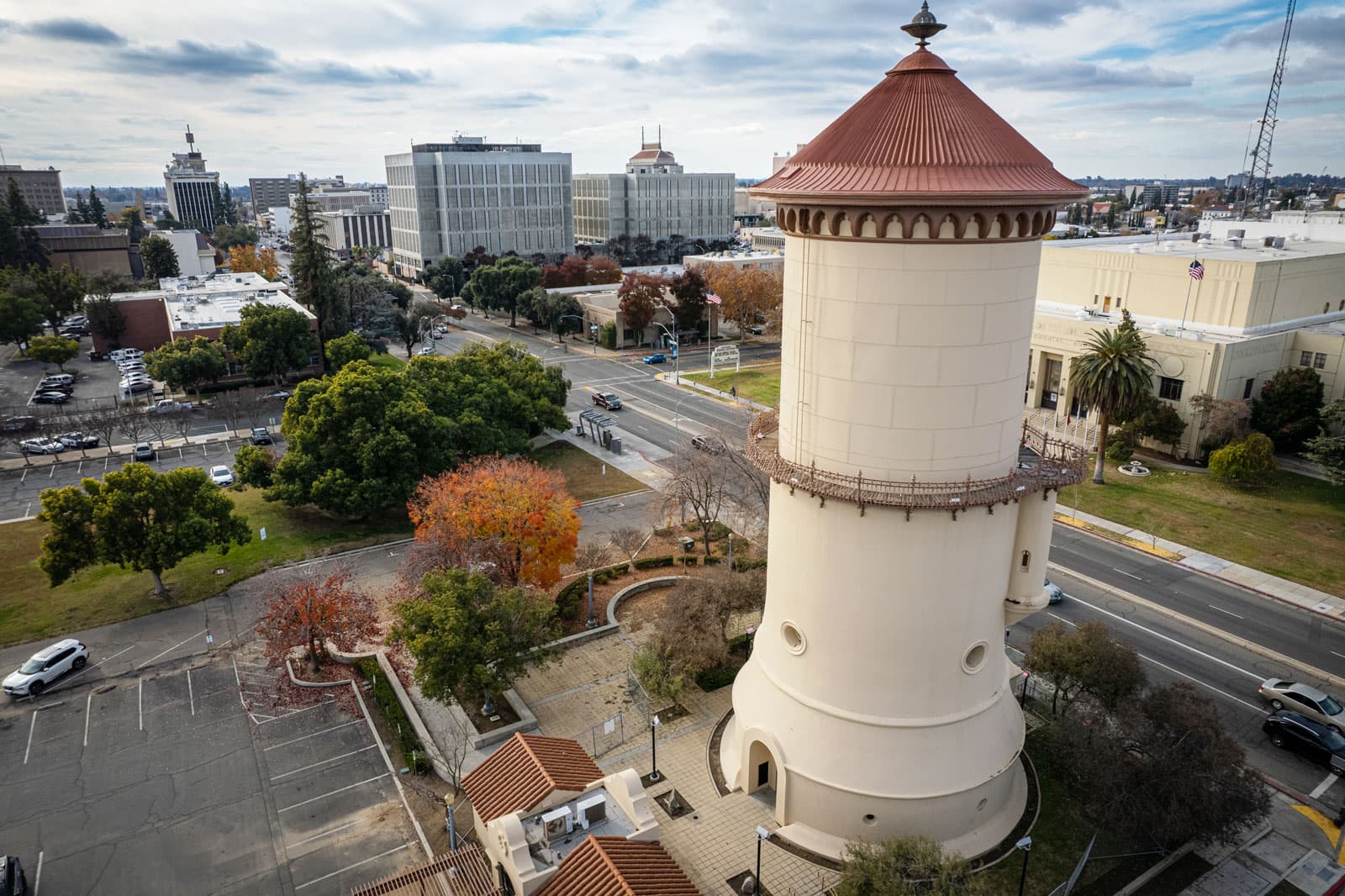
Neighbors in the Fresno High neighborhood have mobilized to reconstruct a 10-foot stone-and-brick pillar at the corner of Palm and Simpson avenues after the structure was toppled in December by an alleged drunk driver. The pillar, long visible at the intersection, has uncertain origins; historians and residents say it could be a boundary marker, a remnant of the trolley era, or a purely decorative element added during neighborhood development. That uncertainty has not diminished the sense of communal ownership.
Local historians and long-time residents have been consulted as neighbors weigh restoration options and fundraising strategies. Residents describe the pillar as a marker of neighborhood identity, a piece of streetscape that contributes to the historic character many seek to preserve. Organizers are exploring repair versus full reconstruction, considering materials and methods that would respect the pillar’s appearance while meeting current safety and building standards.
The incident highlights several municipal and policy questions. Reconstruction will likely require coordination with city permitting and public works offices, and neighbors say they will seek clarity on what approvals are required for replacing a stone-and-brick element that sits adjacent to a public right-of-way. Insurance coverage and liability for damage caused by the alleged drunk driver will factor into funding decisions; if insurance does not cover full restoration, residents plan community fundraising to cover remaining costs.
Beyond restoration, the crash has spurred discussion of traffic safety and enforcement at Palm and Simpson. Community leaders are urging the city to review intersection safety measures and consider traffic calming where needed, noting that the loss of the pillar was the visible consequence of a broader public-safety risk. The episode reflects how a single conspicuous loss can catalyze civic engagement, pushing neighbors to engage with city processes, public safety officials, and preservation advocates.

The grassroots effort offers immediate local impact and broader implications for how Fresno County manages neighborhood heritage. If residents succeed, the project will be a case study in local preservation driven by volunteers rather than formal historic designation. It also underscores the potential for neighborhood activism to influence municipal priorities and funding decisions, including those related to traffic safety and small-scale streetscape preservation.
Organizers are expected to announce specific fundraising plans and timelines as they finalize permits and consult with preservation-minded contractors. For now, the toppled pillar has become a focal point for residents intent on restoring a visible piece of their neighborhood and pressing local government for clearer lines of responsibility when public-facing elements are damaged.
This article was produced by Prism’s automated news system from verified source data, official records, and press releases, then run through automated quality and moderation checks before publishing. The system is built and supervised by the people who set the standards it runs under. Read our full AI policy.
Did this article answer your question?


