Fresno Hmong Connect with Minnesota Relatives as ICE Enforcement Escalates
Fresno Hmong are reaching out to relatives in Minnesota after a spike in ICE activity, raising fear among U.S. citizens and prompting protective plans and local organizing.
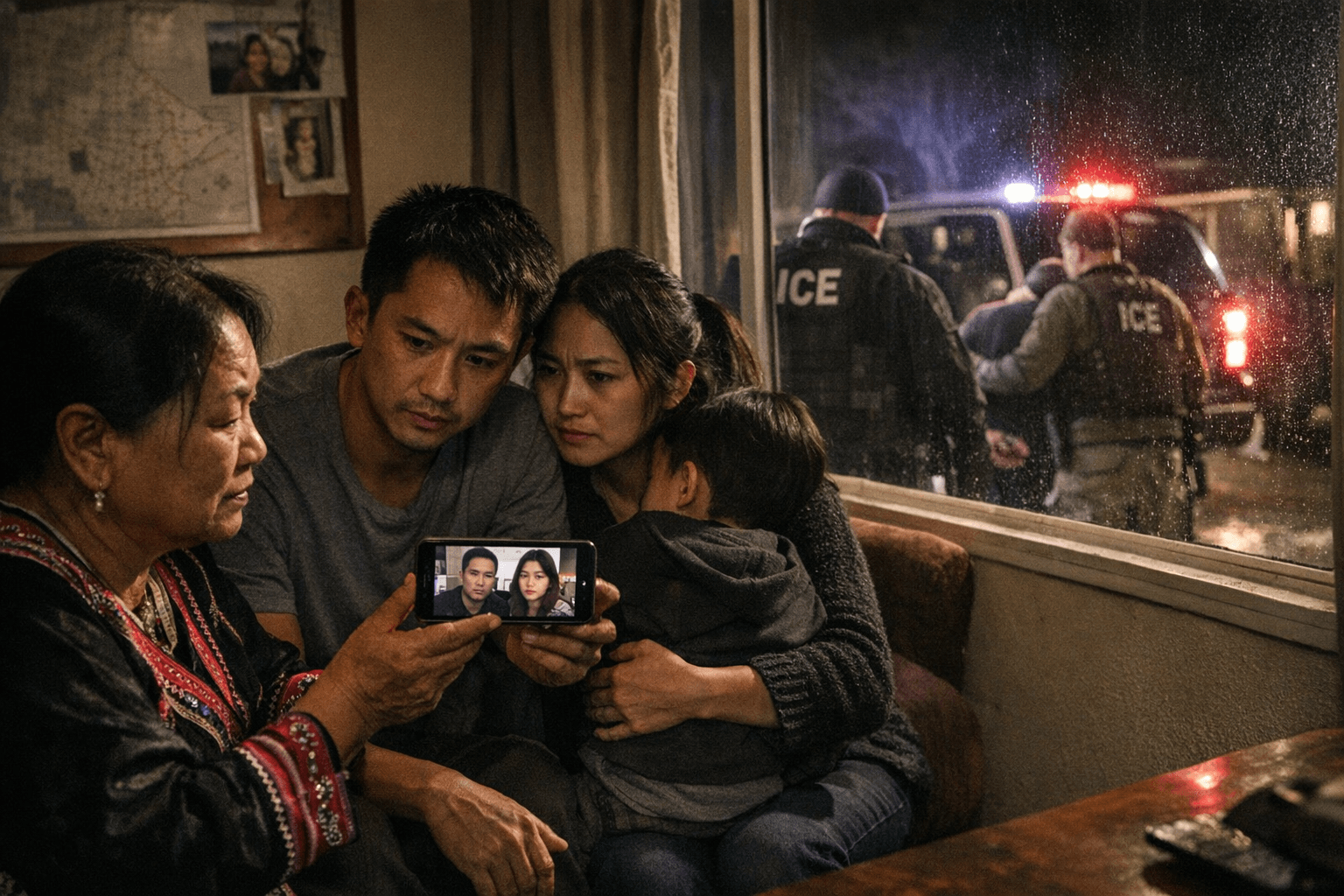
A surge in federal immigration enforcement in the Twin Cities has sent ripple effects through Fresno’s Hmong community, where many families are split between Central California and Minnesota. The escalation, which reporting says began late last year and included a high-profile detention in St. Paul on Feb. 7, 2026, has prompted protective actions, community organizing and urgent conversations about civil rights and family safety.
The St. Paul incident involved Chongly “Scott” Thao, a U.S. citizen of Hmong descent who was taken from his home at gunpoint and, according to reports, led into the street wearing only underwear and sandals in subfreezing conditions. Reports say Thao was detained without a warrant and had no criminal record. The Department of Homeland Security told reporters ICE agents were seeking two convicted sex offenders and that Thao “matched the description of the targets.” Thao’s family disputed that account, and Thao spoke with the Associated Press after his release. He described a traumatic scene: “My grandson watched everything. After they took me, he was crying, looking for me. They just took me out there without any clothes on, unless only the blanket.”
The episode has spurred concern among Fresno-born relatives now living in the Twin Cities and among family members here. Fresno native Zoua Vang, now living in St. Paul and described in reporting as a mother of three, said the enforcement wave has altered how some families plan for safety and education. “As a person of color somehow overnight, my American citizenship has lost some value,” Vang said. She recounted considering passports to protect her child: “Think about that, he was born at Clovis Community Hospital, but because of the racial profiling that is happening in the state we're so afraid that the only way to protect our child is to send him back with a passport.” Katie Moua of Hmong Innovating Politics in Fresno framed the reaction in rights-based terms: “Human beings deserve human rights and they deserve dignity and compassion, and no one deserves to be stripped away of what they worked so hard for.”
Across the Upper Midwest, Hmong community groups have mobilized mutual aid, neighborhood watches and warning systems such as whistles to alert neighbors when ICE is present. CivicMedia reporting quoted Thao criticizing political rhetoric that he says gives “free rein for ICE and CBP to behave with impunity,” and highlighting solidarity efforts from Wisconsin groups including the Hmong American Women’s Association, Freedom, Inc., and Cia Siab, Inc.
For Fresno, the immediate impacts are social and economic as well as emotional. Fresno and the Twin Cities are described as the two places with the largest Hmong populations in the country, and thousands of Hmong refugees originally moved to the U.S. after helping America during the Vietnam War. Heightened fear may affect cross-state family travel, college decisions, and informal support networks that underpin small-business activity and household finances. It also raises policy questions about oversight of ICE operations and the standards used to identify targets.
What comes next for Fresno’s Hmong families will depend on whether federal agencies provide clearer explanations and whether local and national advocates can secure protections. Community organizations are preparing trainings and support; residents with relatives in Minnesota say they will continue checking on family and organizing to protect civil rights and dignity.
This article was produced by Prism’s automated news system from verified source data, official records, and press releases, then run through automated quality and moderation checks before publishing. The system is built and supervised by the people who set the standards it runs under. Read our full AI policy.
Did this article answer your question?


