Heaton Elementary marks 100 years with art, performances, memories
Heaton Elementary turned its campus into a walk-through archive, with more than 100 photos and portraits spread across 2,000 square feet for its 100th anniversary.
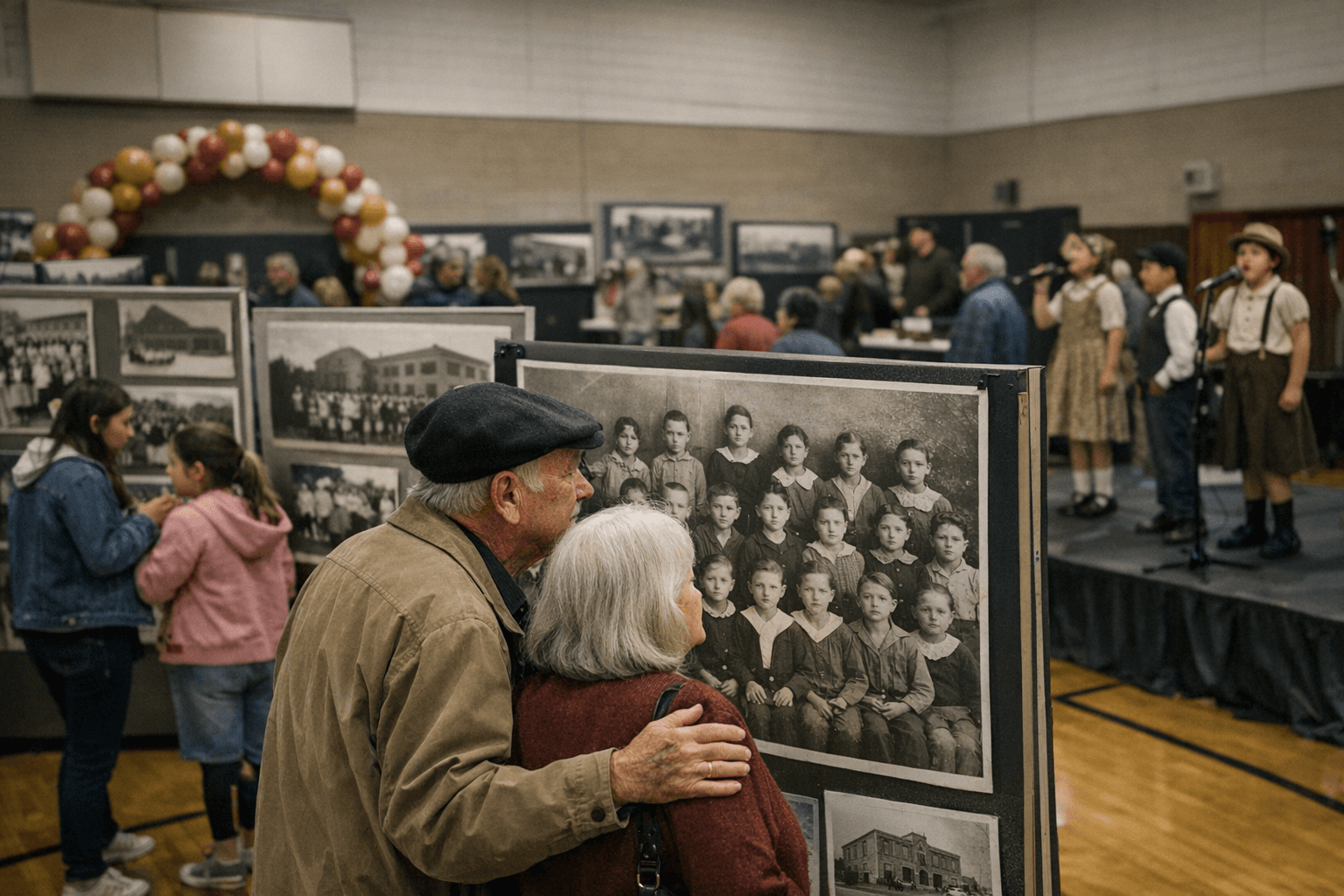
More than 100 photos and portraits now cover more than 2,000 square feet at Heaton Elementary, turning the central Fresno campus into a living record of its first century.
The school marked its 100th anniversary Thursday morning with a campuswide celebration that brought students, staff, families and district leaders into the cafeteria to reflect on more than a century of learning in central Fresno. Students performed with the school band and choir as principal Cindy Purves and Fresno High School principal Amy Smith spoke about the school’s legacy and its place in shaping young minds. Superintendent Misty Her also joined district leaders at the ceremony.
The centerpiece of the event was 100 Years - 100 Faces, a project led by art teacher Tamela Ryatt. Spread across campus, the installation pairs student, staff, family and alumni images in a display that reaches back to the 1950s and includes photos from at least 80 years of the school’s history. The effort took several months to complete, but the result transformed hallways and shared spaces into a timeline of the families who have passed through Heaton’s doors.
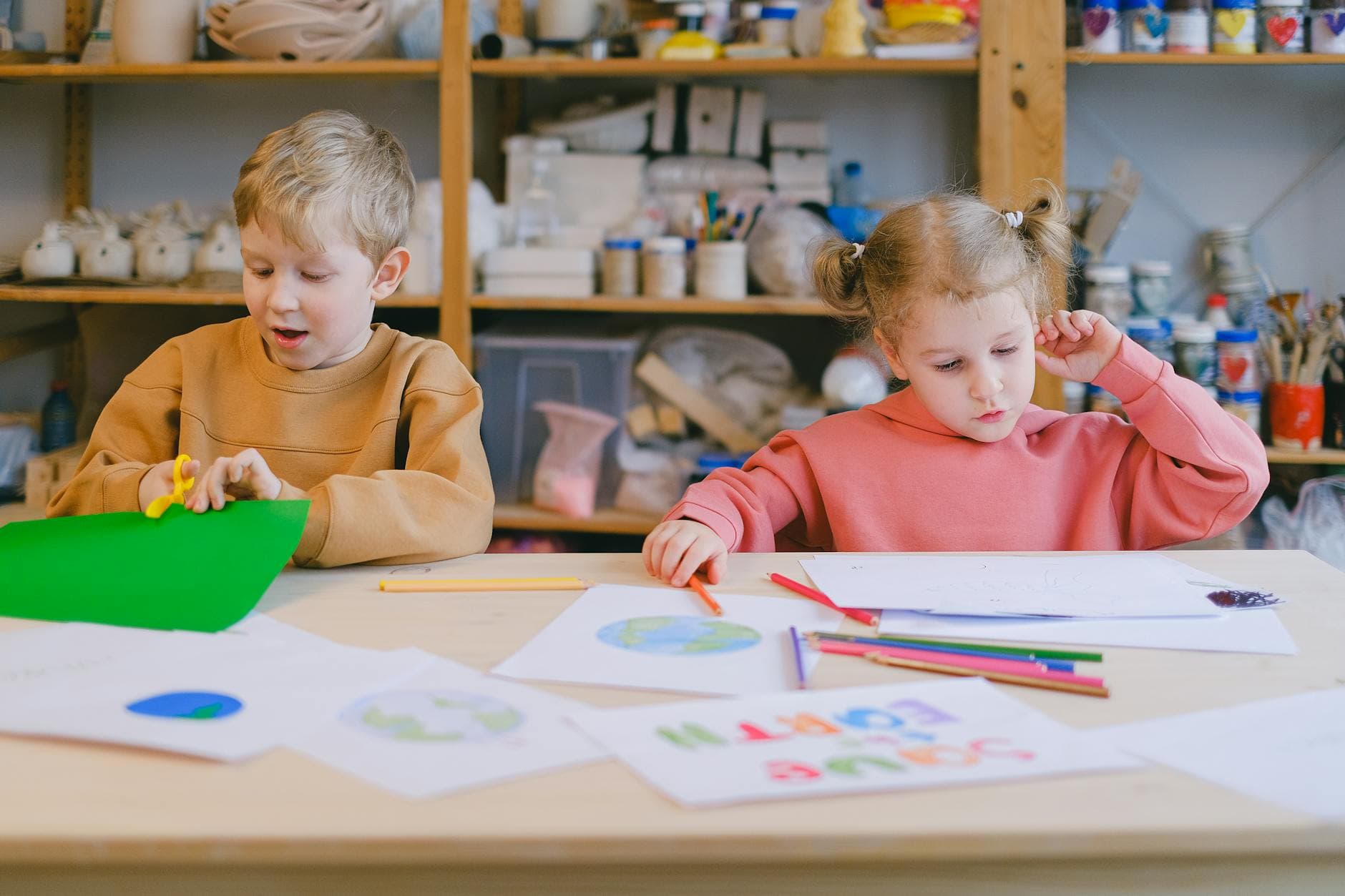
Ryatt said the response from families showed why the project mattered. Parents recognized their children or relatives in the portraits and reacted with visible emotion, a reminder that the school’s history is still personal for many Fresno households. The display does more than decorate the campus. It ties present-day students to earlier generations and gives the school’s century-long story a visible place in daily life.
For a school in central Fresno, the anniversary was not only a look back but also a statement about continuity. The portraits and performances underscored how Heaton has remained part of the neighborhood’s identity, even as generations of students have come and gone. By turning the campus itself into an archive, the school made its past part of the present and gave families a place to see their own history reflected in the walls around them.
This article was produced by Prism’s automated news system from verified source data, official records, and press releases, then run through automated quality and moderation checks before publishing. The system is built and supervised by the people who set the standards it runs under. Read our full AI policy.
Did this article answer your question?