Lost Lake Nature Trail offers a quiet riverfront escape near Friant
Lost Lake Nature Trail is a short riverfront walk near Friant that pairs easy access with birding, camping and native habitat. Its 1.25-mile out-and-back layout makes it a practical pick for a low-key Fresno County outing.
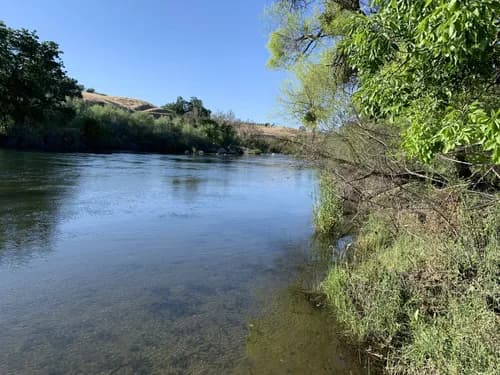
Lost Lake Nature Trail gives Fresno County a short riverfront walk that fits an easy half-day near Friant. At about 1.25 miles out-and-back, it is a county-built route through Lost Lake Park on the southeast side of the San Joaquin River, with Friant Dam about 2.6 miles upstream.
What the trail is
Lost Lake Nature Trail is not a destination built around long mileage or hard terrain. National Recreation Trails lists it as a backcountry trail and describes it as 1.25 miles long, out-and-back, with uses that include fishing, hiking and mountain biking. Fresno County planning materials say the pedestrian nature trail runs the full length of the Lost Lake Recreation Area and ends with a loop at the southern end, which makes the route easier to understand than a free-form park path.
That layout matters for a first visit. If you want a short walk, you can turn around without feeling like you have missed the point of the place. If you want more time outdoors, the trail ties into a bigger county recreation area instead of stopping at a single overlook.
Why the setting stands out
Lost Lake is not just a generic park around a body of water. County materials describe the recreation area as including a 38-acre lake and a 70-acre primitive native study area, which gives the site a mix of open water and habitat that is uncommon in Fresno County parks. The San Joaquin River forms the western boundary, and outside references describe the park as a long, narrow strip divided between daytime picnic space and overnight camping areas.
That shape gives the walk a distinct river-corridor feel. It is a place where a quick stroll can still lead past water, native plant study areas and bird habitat rather than only lawns or playgrounds. For a county outing that stays close to Friant, that combination is the main draw.
How to think about access and pace
Because the trail sits inside Lost Lake Park near Friant, it works best as a planned stop rather than a spur-of-the-moment roadside detour. Fresno County says the trail is about 2.6 miles downstream from Friant Dam, so it is close to the San Joaquin River gateway area without being deep into the higher-profile Millerton Lake corridor.
The trail’s linear design also makes it practical for different kinds of visitors. A short out-and-back lets casual walkers keep the outing simple, while the longer park setting gives families and seniors a place to move at an unhurried pace. The park’s picnic and camping areas add flexibility for anyone who wants to turn a quick walk into a longer stay.
Who gets the most out of it
The trail is best for people who want a low-key river walk with built-in scenery rather than a strenuous hike. Its 1.25-mile out-and-back format is a good match for casual walkers, and the county’s own recreation-area description suggests the site is comfortable for lingering rather than rushing through.
Birders have a strong reason to come here. In 2018, BirdWatching magazine said Lost Lake Recreation Area offered some of the best birding in the Fresno area and could hold more than 100 resident species along with shorebirds, waterfowl, sparrows and woodpeckers north of Fresno. Fresno Audubon Society field trips to the area reinforce that local birdwatchers already treat Lost Lake as a worthwhile stop.
The history underfoot
Lost Lake exists because of Friant Dam. A University of California Cooperative Extension document says the site was created as the borrow pit for aggregate used in constructing the dam on the San Joaquin River, and a Fresno County social-media post says the lake took its name from a gravel pit created during Friant Dam construction in the late 1930s. The Bureau of Reclamation says Friant Dam was completed in 1942, which places the park’s origin in the same mid-century river engineering era that reshaped this part of the valley.
The county’s later steps turned that industrial footprint into public open space. Fresno County says it purchased 248 acres in 1956, expanded the area to 326 acres and officially opened it as a recreation area in 1961. The same UC Cooperative Extension material notes that cattails later spread around the lake and that a 1956 helicopter spray treatment using Dalapon produced very good results, a reminder that the landscape has been managed and reworked over decades.
How Lost Lake fits the river corridor
Lost Lake is part of a broader San Joaquin River recreation system, not an isolated stop. County trail and recreation materials connect it to public-access sites such as Friant Cove and the San Joaquin River Parkway network, which helps explain why the area matters beyond one walking path.
Friant Cove is a useful comparison point. The San Joaquin River Conservancy says it was purchased in 1996 and later developed with grants into a public-access site with a park-and-ride facility, a non-motorized small boat launch, restrooms, interpretive displays and signage. That broader network shows how the county and regional partners have built multiple access points along the river, with Lost Lake serving the quieter, more walkable end of the experience.
Bottom line for a Fresno County outing
Lost Lake Nature Trail is most worth your time when you want a short riverfront walk with a real setting behind it: lake, native study area, camping, birdlife and San Joaquin River access in one county-run space. It is less about spectacle than utility, and that is exactly why it works for a quick Friant-area stop, a birding outing or a relaxed walk that stays close to Fresno without feeling like a city park.
This article was produced by Prism’s automated news system from verified source data, official records, and press releases, then run through automated quality and moderation checks before publishing. The system is built and supervised by the people who set the standards it runs under. Read our full AI policy.
Did this article answer your question?