San Joaquin River Floodplain Restoration Begins, Reconnecting Valley Grasslands
River Partners and partner agencies began work on December 17, 2025 to restore a long disconnected section of the San Joaquin River floodplain, reopening historic valley grasslands and seasonal wetlands. The project aims to strengthen habitat for migratory birds and native fish while improving watershed resilience, a development that could affect local agriculture, flood planning, and groundwater recharge in Fresno County.
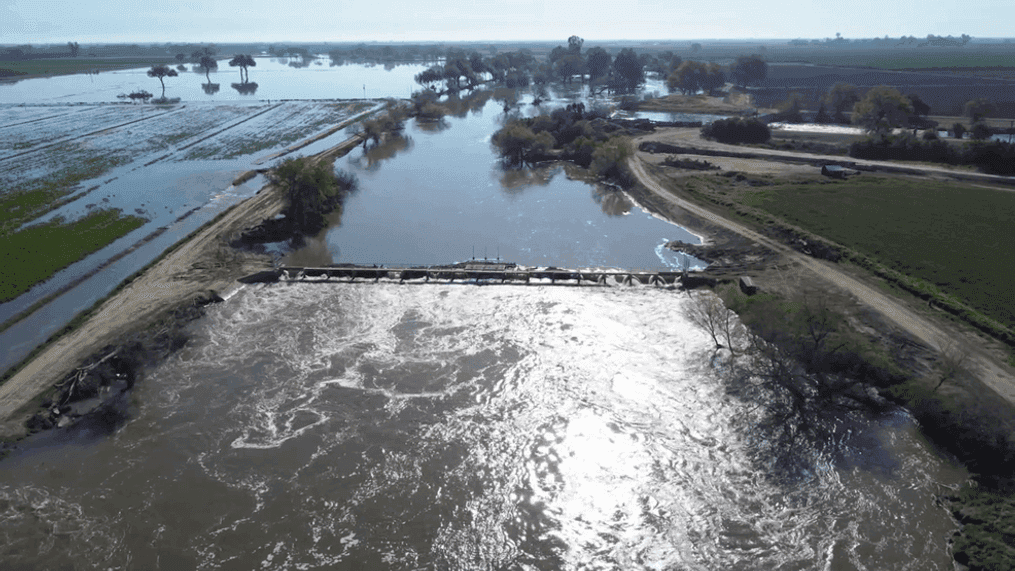
River Partners and partner agencies started on December 17, 2025 to restore and reconnect a previously isolated section of the San Joaquin River floodplain, marking a significant step in regional efforts to revive Valley grasslands and seasonal wetlands. The work centers on engineered levee breaches and careful regrading so that in high water years the river can spread across the floodplain again, rebuilding native habitats for birds and fish and reestablishing grassland ecologies that once dominated the valley floor.
Engineers have planned phased levee breaches and contour adjustments to control how and when floodwaters enter the restored area, with monitoring protocols to track hydrology and habitat responses. Project documentation referenced funding and permitting steps that preceded ground work, indicating coordination with regulatory agencies and local partners to meet environmental and flood management standards.
Ecologically the reconnection restores natural floodplain processes that create shallow seasonal wetlands, promote native plant regeneration, and provide foraging and breeding grounds for migratory birds. For fish species that rely on overflow habitats for juvenile rearing, periodic inundation can increase survival rates and contribute to broader watershed health. Restoring floodplain connectivity also contributes to watershed resilience by temporarily storing floodwaters, promoting sediment deposition, and supporting groundwater recharge during wet years.

For Fresno County residents the project has practical implications. Restored floodplains can reduce peak river flows downstream in extreme events, potentially easing pressure on flood control infrastructure while creating new habitat that supports pollinators and other species important to local agriculture. Farmers and land managers will need to work with agencies on timing and access as construction moves forward, and the project underscores the continuing balance between conservation goals and agricultural uses in the Central Valley.
The San Joaquin initiative fits into a larger regional trend toward nature based flood management and landscape scale habitat restoration across the Central Valley. As agencies invest in reconnecting floodplains, the projects aim to deliver ecological benefits while integrating with flood planning and rural economies, shaping how Fresno County adapts to variable water years and long term watershed change.
Know something we missed? Have a correction or additional information?
Submit a Tip