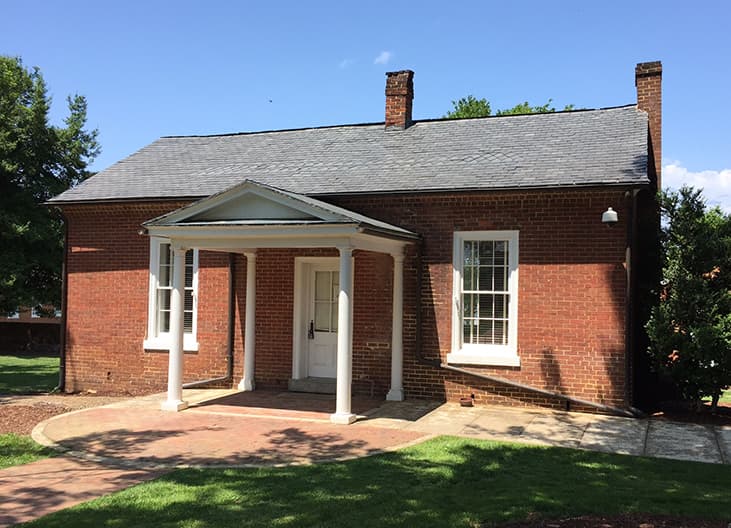
Explore Goochland guides visitors and residents to local attractions
Explore Goochland is more than a tourism page, it is a practical map to county trails, shops, events, and day trips that many residents may be missing.

A county guide that works like a local shortcut
Explore Goochland is built as a visitor-facing site, but its real value may be closer to home. By gathering an events calendar, day-trip itineraries, and a categorized business directory in one place, the county gives residents a single way to plan a Saturday outing, find something outdoors to do, or discover a business they pass every week without noticing.
That matters in a county where the appeal is spread out rather than concentrated in one downtown. Goochland blends courthouse-area history, rural scenery, river access, and growing commercial corridors, so a central guide helps connect the dots between places that are easy to overlook when daily life is centered on school runs, errands, and commuting.
What the site actually organizes
Explore Goochland is most useful because it reduces the amount of hunting required to make use of the county. Instead of bouncing between social media posts, separate pages, and word of mouth, users can browse what is happening, where to go, and which local businesses fit the trip they want to make.
The site’s structure is practical. Its events calendar can surface things to do without requiring a resident to already know where to look. Its day-trip itineraries make it easier to turn a free afternoon into a plan. Its categorized business directory matters just as much, because it turns local commerce into something navigable rather than hidden.
The county also encourages businesses and organizations to confirm their listings and submit events, which means the guide is designed to stay active rather than sit as a static brochure. For residents, that makes it more useful over time, especially if the goal is to keep up with changing openings, activities, and community calendars.
The county’s pitch is broader than tourism
Goochland County Economic Development ties the tourism site to its effort to connect, promote, and encourage rural economic development through the county’s agricultural and visitor assets. That framing is important. The site is not just about attracting outsiders; it is part of a larger county strategy to make existing places and businesses easier to find and support.
That strategy sits within the ACRES Initiative, which links economic development and tourism work. County messaging also encourages visitors to experience Goochland through its agricultural identity, reinforcing the idea that farms, trails, shops, and craft beverage businesses are part of the same local economy.
The county launched the tourism website in February 2023, and local reporting said the aim was to bring in new visitors. But the resident value is obvious too. A county that wants people to spend time and money locally benefits when its own residents know what is nearby and start using those assets more often.
Where the guide sends people
The county says Goochland has become known for craft beverage makers, local shops, and outdoor recreational opportunities, and the site reflects that mix. On the home page, the county highlights wineries, Courthouse Creek, Hilltop Distillery, and three local breweries. That gives residents a ready-made route for an evening out, a friend’s visit, or a small Saturday loop that stays close to home.
The Explore section pushes beyond drinks and retail. It points users to the Central High Cultural and Educational Complex, Leakes Mill trails, and locally owned shops. That combination shows why the site works as a resident guide: it connects culture, recreation, and small business in one place instead of separating them into unrelated categories.
The Virginia Tourism Corporation’s listing broadens the same map. It describes Goochland as a place to stroll the historic Courthouse area, float the James River, bike at Leakes Mill, and take the Richmond West Craft Beverage Trail. It also places the county about a 30-minute drive from Richmond or Charlottesville, which helps explain why Goochland can function as both a local escape and a close-to-home option for people who do not want to travel far.
How a resident can use it for a real weekend
For a Saturday outing, the site can work as a planning tool rather than a brochure. A resident could start with the events calendar, then build the rest of the day around a nearby trail, a shop stop, or a meal at a local business listed in the directory. The point is not to create a tourist itinerary for somewhere far away. It is to make the county itself easier to use.
A family looking for outdoor time can use the guide to identify options at Leakes Mill or to pair trail time with a stop in the Courthouse area. Someone trying to support local business can use the directory to find shops and beverage makers without guessing where they are. A newcomer can use the day-trip itineraries to understand the county’s layout quickly, especially when the goal is to learn what sits along familiar roads such as River Road West or near the county’s I-64 interchanges.
That road network matters. Goochland County Economic Development lists four interchanges on I-64, along with a population of 27,197, a median age of 49, and a median household income of $105,600. Those figures help explain the county’s position: it is large enough to have a range of assets, but spread out enough that a single organized guide can save residents time.
Why the county sees this as an economic issue
The visitor economy is not a side note. Goochland County said Virginia’s tourism industry generated $25.2 billion in visitor spending statewide in 2021, including $1.8 million in Goochland County. That is a reminder that even a place with a strong local identity can benefit when residents and visitors spend more intentionally inside county lines.
Historical identity gives the guide additional weight. Goochland County was founded in 1728 and was the first county formed from Henrico Shire. Plan RVA notes that it was named for Sir William Gooch, the royal lieutenant governor from 1727 to 1749. That history still shapes the county’s appeal, especially around the Courthouse area and cultural destinations like the Central High Cultural and Educational Complex.
The result is a county tool that serves two jobs at once. It helps outsiders discover a place with history, river access, trails, and small businesses. It also gives residents a practical way to notice what they already have nearby, and to use it more often. In a county defined by movement along roads, riverfronts, and scattered destinations, that kind of organization is not just convenient. It is how local assets become part of everyday life.
This article was produced by Prism’s automated news system from verified source data, official records, and press releases, then run through automated quality and moderation checks before publishing. The system is built and supervised by the people who set the standards it runs under. Read our full AI policy.
Did this article answer your question?