Goochland County highlights 27 historic sites across the county
Goochland's official landmarks page turns 27 registered sites into a workable weekend drive, starting at Court Square and the Old Stone Jail.
1. Goochland County Court Square
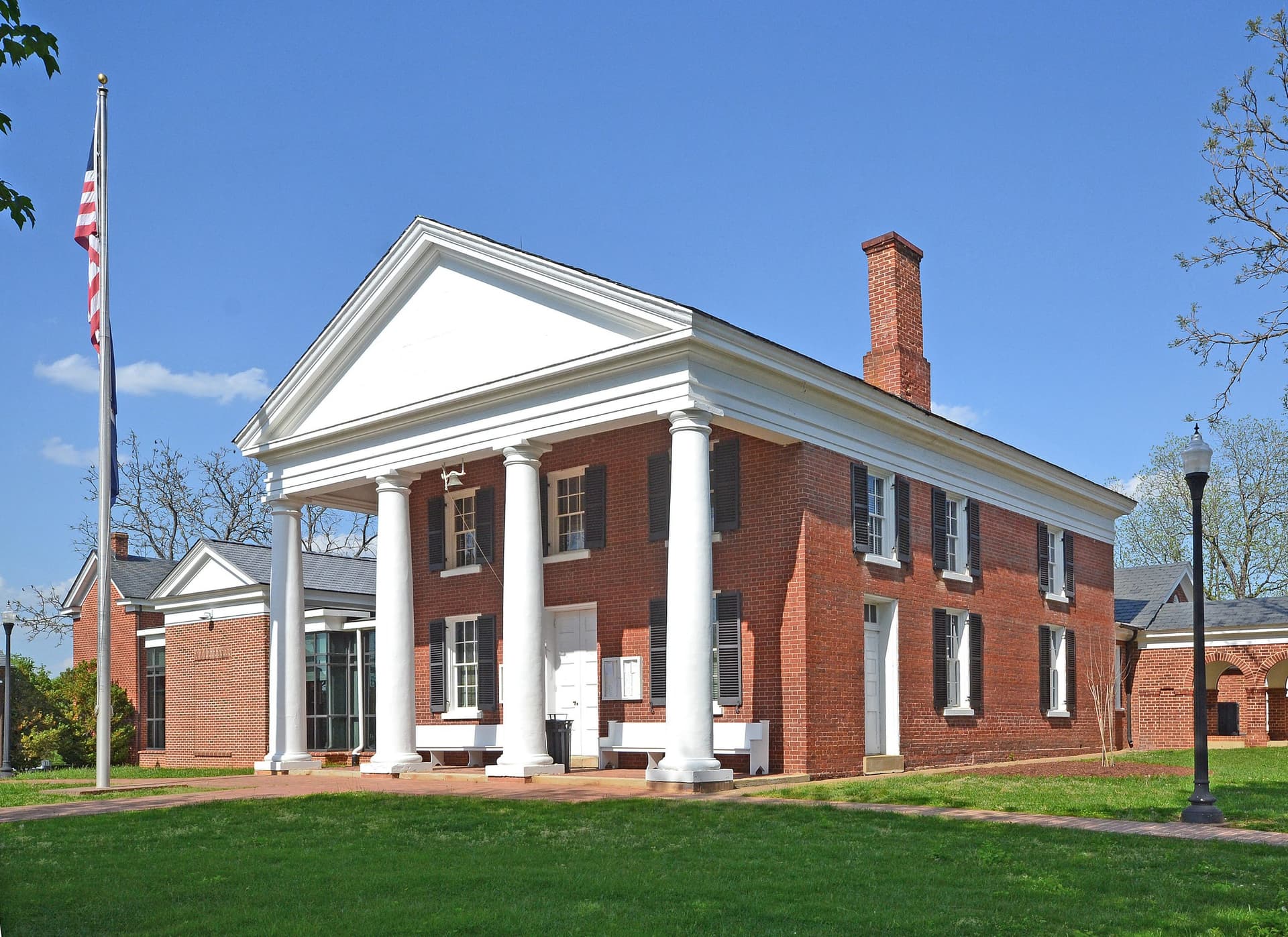
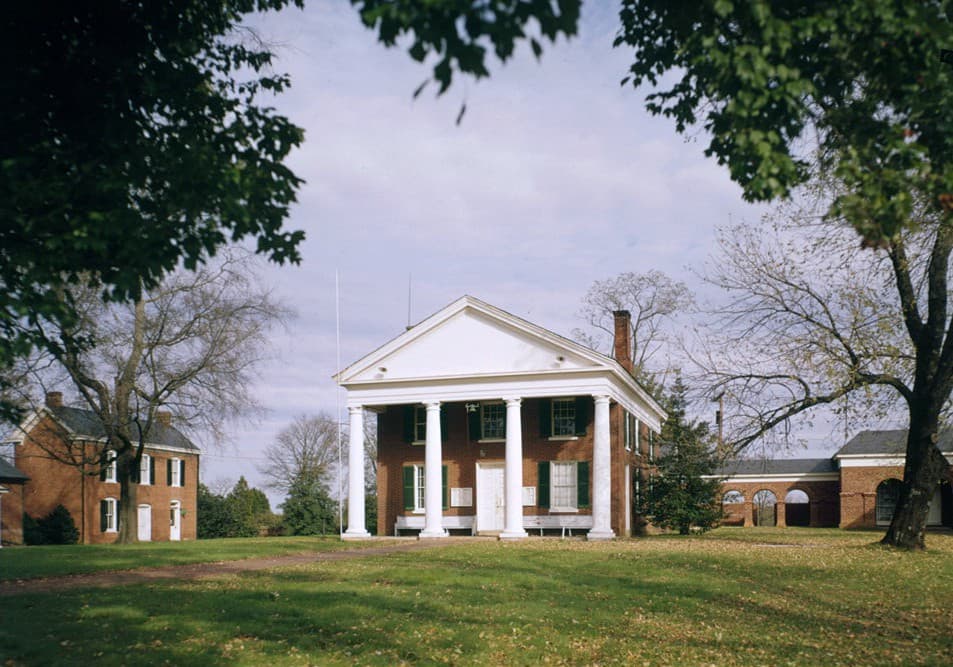
The county’s clearest starting point is Goochland County Court Square in Goochland Courthouse, listed on the Virginia Landmarks Register on 07/07/1970 and on the National Register of Historic Places on 09/15/1970 under reference number 70000797. The state historic-resources listing describes the village as graced by a dignified Roman Revival county courthouse, which makes this the most practical anchor for a short visit.
2. Goochland Historical Museum in the Old Stone Jail
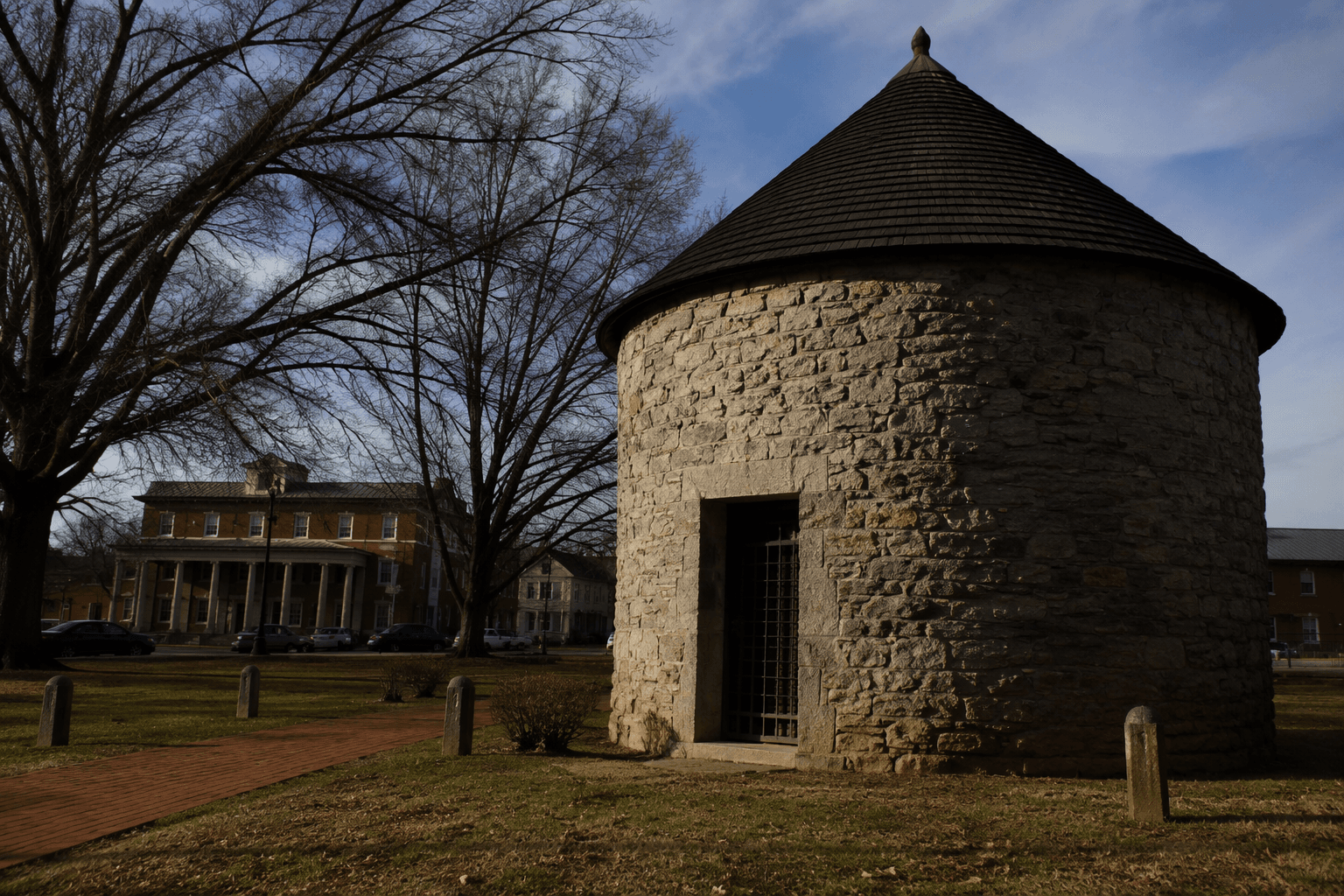
The Old Stone Jail on the Courthouse Green was adapted into the Goochland Historical Museum with permission from the Goochland Board of Supervisors. Virginia Tourism says the c. 1833 jail was built while the James River & Kanawha Canal was being constructed westward along the James River, and the museum now traces county history from the 1700s to the 20th century.
3. Goochland Historical Society historical center
The Goochland Historical Society lists its historical center hours as Wednesday to Friday from 10 a.m. to 3 p.m. That makes it one of the few stops on the county’s historic route with a clear schedule, which matters if you are trying to fit the museum into a half-day plan.
4. Courthouse Green
The Courthouse Green is more than a backdrop, because it is where the Old Stone Jail and the historical museum sit together. For a visitor trying to make the county’s landmarks list work in real time, that concentration of history in one place is the easiest way to start.
5. Goochland Courthouse
The county seat is Goochland, and the courthouse village remains the public center of its historic landscape. FamilySearch identifies Goochland as the county seat, which lines up with the county’s own historic focus on the courthouse area.
6. Monacan homeland in the James River Valley
Long before Goochland became a county, the Monacan Tribe made the James River Valley home. Goochland County’s official history says the Monacans had moved westward by 1700, a reminder that the county’s landmarks sit inside a much older human geography.
7. The Henrico Shire division
In March 1727, the General Assembly of Virginia passed the act calling for the division of Henrico Shire. That act set in motion the county’s formation and gives the landmarks list a legal and political starting point, not just an architectural one.
8. Sir William Gooch
Goochland was named for Sir William Gooch, the lieutenant governor for whom the new county would be named. The naming history connects the county’s public buildings to colonial governance and explains why the courthouse village carries so much of the county’s identity.
9. Oak Grove
Oak Grove, near the village of Manakin in eastern Goochland County, is a six-acre property described by the Virginia Department of Historic Resources as a well-maintained antebellum planter’s dwelling. It was built in three phases, around 1820, 1850 and 1866, and includes Greek and Gothic Revival elements.
10. Elk Hill
Elk Hill was built between 1835 and 1839 for Randolph Harrison, Jr., on land once owned by Thomas Jefferson. The Virginia Department of Historic Resources says its Greek Revival mansion has proportions, a plan and interior woodwork comparable to Richmond town houses of the period.
11. Woodlawn
Woodlawn was built by Elisha Leake in the last quarter of the 18th century and later leased to John Trevillian, who opened a tavern there in 1806 on Three Chopt Road, now Route 250. That history makes it one of the county’s best examples of a site that linked travel, business and settlement.
12. Tuckahoe
Tuckahoe appears among the better-known historic places associated with Goochland County. It is one of the names that helps turn the county’s registered-landmark list into an actual weekend route instead of a paper inventory.
13. Bolling Hall
Bolling Hall is another significant historic place tied to Goochland County’s registered landscape. Its inclusion shows how the county’s historical footprint extends well beyond the courthouse village and into the broader rural map.
14. Bolling Island
Bolling Island belongs with the county’s other major preserved properties and reflects the plantation-era landscape that still shapes Goochland’s historic identity. It is one of the places that makes the official landmarks page useful for planning a full-day drive.
15. Belvidere
Belvidere appears in the Virginia Landmarks Register and National Register database search results for Goochland County. Its listing reinforces that the county’s historic inventory is built on registered properties, not just locally remembered names.
16. Dover Mills Historic District
Dover Mills Historic District helps explain the county’s road network and industrial past. It is a reminder that Goochland’s history is not only about houses and courthouses, but also about the places where work and movement shaped daily life.
17. Historic churches
FamilySearch notes that the Goochland County Historical Society prepared a list of historic churches in the county, identifying pre-1900 churches in a free PDF. That church inventory adds a congregational layer to the landmarks list and gives visitors another way to shape a route around local history.
18. First historic slave quarter
The county tourism site says Goochland has two historic slave quarters tied to African American history. The first is an essential stop because it broadens the county’s historic story beyond government buildings and elite estates.
19. Second historic slave quarter
The second historic slave quarter reinforces the same point from another angle. Together, the two sites show that Goochland’s official landmarks list includes places that document enslavement and Black life, not only the county’s more polished architecture.
20. Central High School marker site
A state historical marker dedicated in Goochland County highlights Central High School, which DHR identifies as the county’s only high school for African American students during the segregation era. Marker sites like this are especially practical for a driving route because they are easier to fold into a short trip than a larger museum visit.
21. James River corridor
The James River corridor is the broad historic spine of the county. It connects the Monacan homeland, canal-era construction and many of the places that define Goochland’s built landscape, which is why the landmarks page works best as a route map.
22. Manakin-Sabot
Manakin-Sabot is one of the county communities that helps orient a historic drive through eastern Goochland. It pairs especially well with Oak Grove and other nearby sites that sit away from the courthouse village.
23. Sabot
Sabot is another useful route marker in a county where historic places are spread across long road miles. When the landmarks list is used as a planning tool, names like Sabot save time and help keep the day’s loop efficient.
24. Maidens
Maidens belongs on the county route because it ties into the river-road and canal-era history that shaped Goochland’s development. It helps visitors move from the courthouse core to the broader James River landscape without losing the thread.
25. Crozier
Crozier is another community stop that helps turn the official landmarks page into a realistic driving plan. Its value is practical as much as historical, because the county’s sites are spread out enough that location matters.
26. Oilville
Oilville is one more place name that helps organize a half-day or full-day itinerary across Goochland County. In a county with 27 registered historic sites, route planning is part of the experience, not an afterthought.
27. Centerville
Centerville rounds out the county’s wider historic geography and helps complete a drive that stretches beyond the courthouse square. The full picture is bigger than any single district: 27 registered sites, 43 historical marker entries and a landscape that still carries the county’s longest story.
This article was produced by Prism’s automated news system from verified source data, official records, and press releases, then run through automated quality and moderation checks before publishing. The system is built and supervised by the people who set the standards it runs under. Read our full AI policy.
Did this article answer your question?