Goochland Fifth Graders Turn Conductors Into Music with Classroom Tech
On January 2, 2026, fifth grade students in Mrs. Cosby’s class at BES used Makey Makeys and iPads to test everyday objects for electrical conductivity and then played the results as music on interactive piano apps. The lesson, led by Instructional Technology Coach Mr. Mock, highlights how hands-on STEM activities build digital literacy and supports arguments for continued local investment in instructional technology and teacher training.
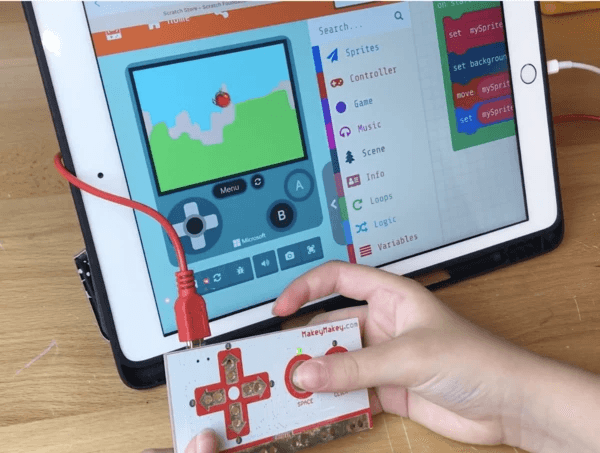
Students in Mrs. Cosby’s fifth grade class at BES spent the first week of January exploring physics and coding in a single lesson. On January 2, 2026, Instructional Technology Coach Mr. Mock guided the class through a hands-on experiment using Makey Makey kits paired with iPads to identify which household materials conduct electricity and which act as insulators. After testing items, students connected conductors to Makey Makey interfaces and used interactive piano apps on their iPads to turn their findings into music.
The activity translated abstract concepts about circuits and conductivity into tangible results, allowing students to hear and see immediate feedback from their experiments. The combination of analog materials and digital tools made a core science concept accessible to a diverse range of learners, reinforcing classroom standards while promoting curiosity and creativity.
For Goochland County, lessons like this carry implications beyond a single classroom. Early exposure to applied STEM skills supports digital literacy that local employers increasingly demand. As the regional economy shifts toward technology, health care, and advanced manufacturing, building a pipeline of students comfortable with basic electronics and coding can improve long-term workforce readiness. From a budgetary perspective, school systems must weigh one-time equipment purchases and recurring device maintenance against the educational gains and potential economic returns tied to improved student outcomes.
Investment in instructional technology also raises equity and policy considerations for Goochland County. Ensuring all students have access to devices, classroom supports, and trained staff is necessary to avoid widening achievement gaps. Teacher professional development is a recurring cost that directly affects program quality; activities led by specialized staff such as Mr. Mock demonstrate how targeted coaching amplifies classroom impact.

On a broader scale, project-based STEM lessons align with longer-term trends in K-12 education that prioritize experiential learning and interdisciplinary instruction. For parents and taxpayers, seeing students translate a science lesson into a musical performance provides a clear, observable benefit from school investments. Local school leaders can use demonstrations like the one at BES to justify continued funding for technology, materials, and staff training that support scalable learning experiences across grade levels.
By blending low-cost hardware with familiar consumer devices, the lesson at BES offers a replicable model for other classrooms in Goochland County looking to make science both engaging and relevant to the digital economy.
This article was produced by Prism’s automated news system from verified source data, official records, and press releases, then run through automated quality and moderation checks before publishing. The system is built and supervised by the people who set the standards it runs under. Read our full AI policy.
Did this article answer your question?