Goochland's oldest Rosenwald school preserves Black education history
Second Union School shows how Goochland's Black families built schooling when public systems fell short, and the restored building now anchors local memory.
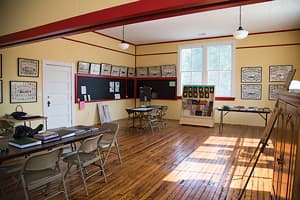
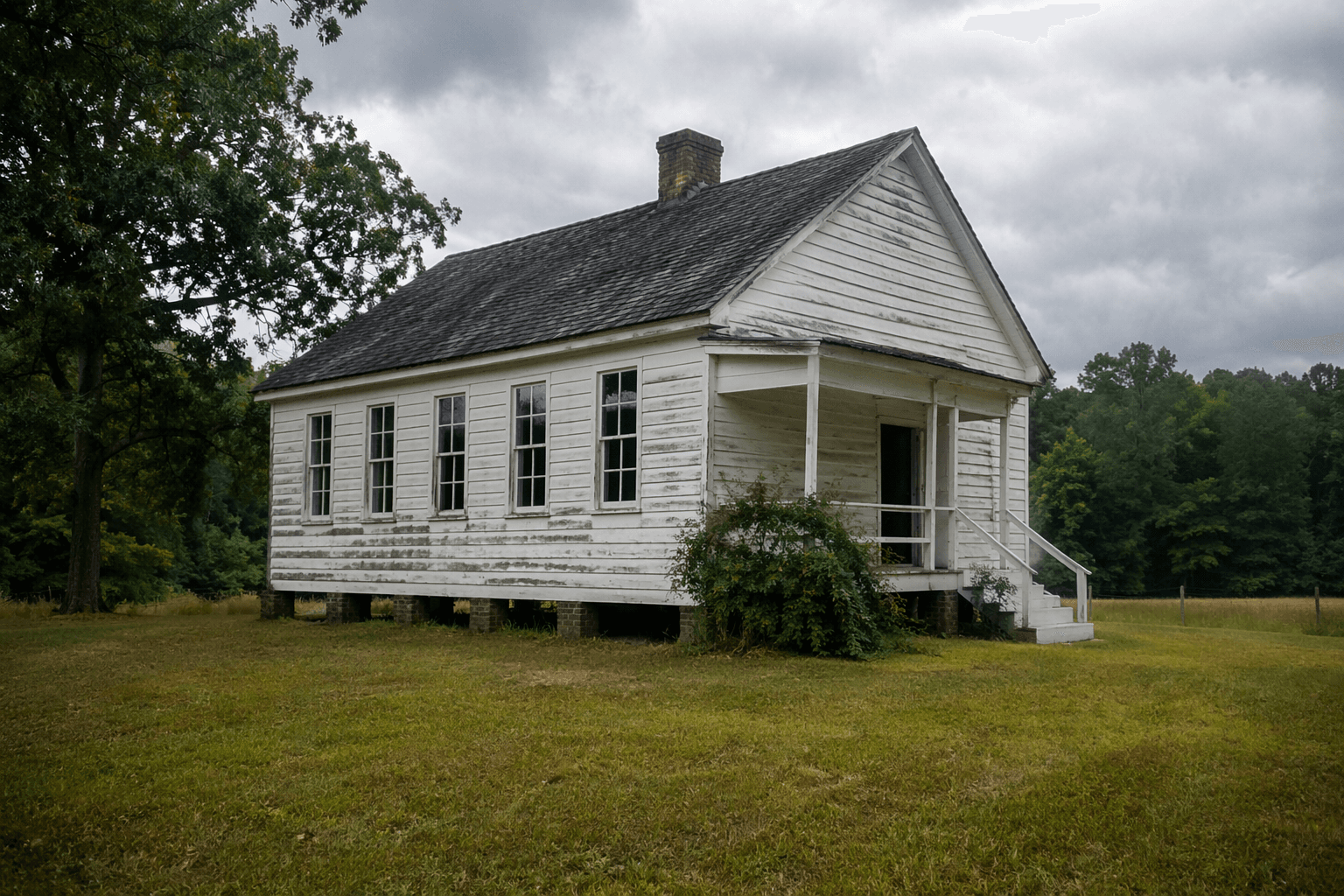
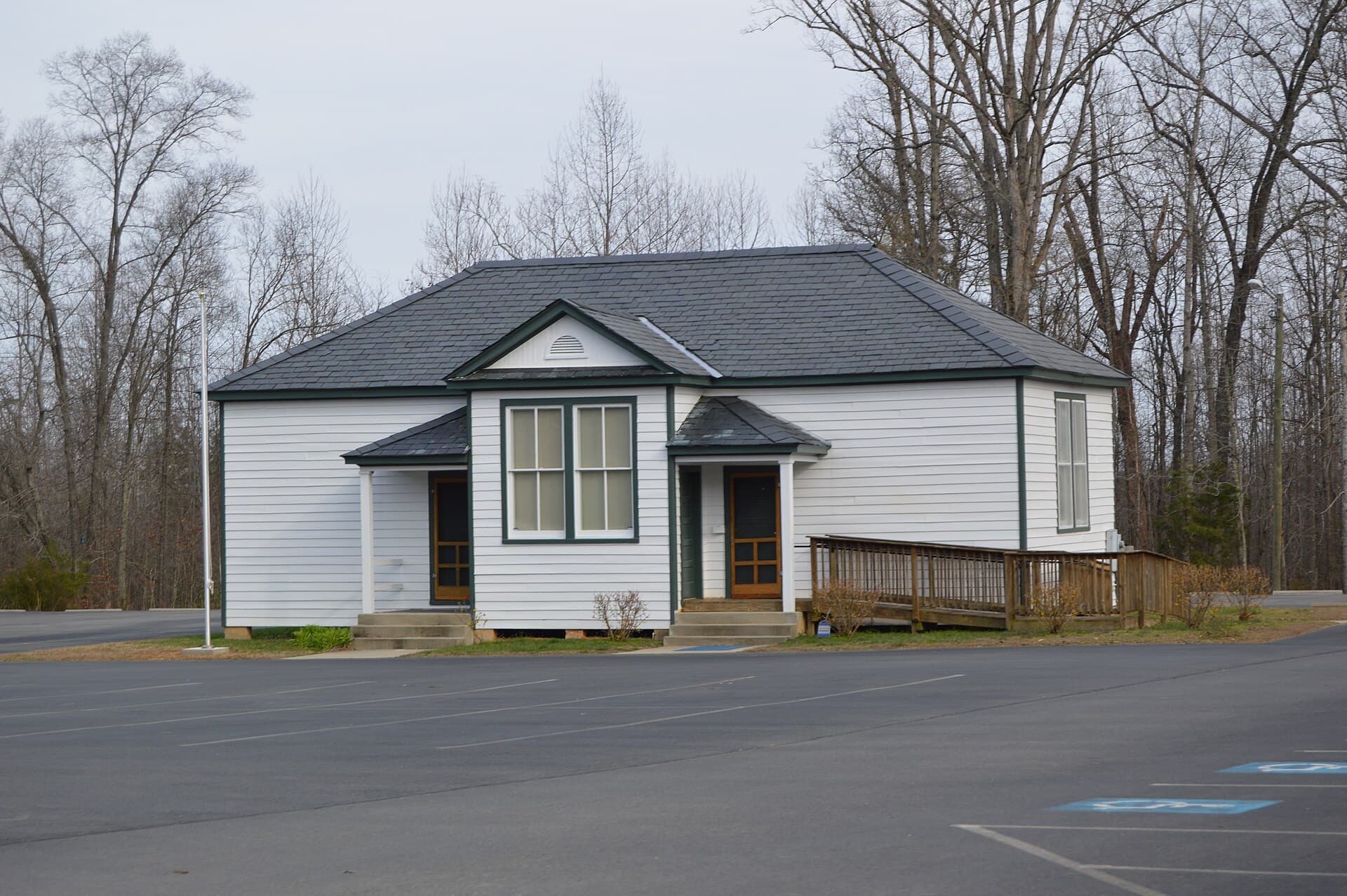
Second Union School reveals how Black families in Goochland built educational access when public systems did not serve them equally. Built in 1918 in western Goochland County with critical support from the Julius Rosenwald Fund, it stands as the county’s oldest surviving Rosenwald school and one of the clearest local records of that effort.
What survives at Second Union
The Virginia Department of Historic Resources describes the building as unusually well-preserved and says it has remained structurally unaltered since it was erected. DHR also says the school was probably built to the model plan for a two-teacher school, which places it inside the standardized design system that shaped Rosenwald construction across the South.
That standardization matters because Rosenwald schools were not one-off buildings. The program produced 5,358 schools, teachers’ homes and industrial buildings across 15 Southern states, while Virginia received 664 schools plus 18 teachers’ homes and vocational buildings. DHR notes that the plans came in one-teacher, two-teacher and larger school designs, which is part of why surviving schools can still be identified as part of a common architectural family.
Goochland’s Black school network was larger than one building
Second Union is important partly because it sits inside a much larger county story. A 2025 Goochland County update said that between 1910 and 1938, 23 schools were constructed to serve the Black community in the county, and 10 of them were Rosenwald schools. That local count turns Second Union from an isolated landmark into evidence of how much organizing, fundraising and community pressure went into Black education here.
The Virginia Museum of History & Culture’s programming on Goochland makes the same point from a different angle. Its lecture, A New Era in Building: Black Educational Activism in Goochland County, 1911-1932, is built around archival records and oral histories and focuses on the way African American communities pushed for better schooling during the Jim Crow era. That frame matters in Goochland because it centers Black agency, not just the schools that remain.
How the building was saved
Second Union did not survive by accident. In 2005, community members and former students teamed up with the Goochland County Historical Society to restore the school, and the county now describes it as a living museum dedicated to Black education in Goochland County. That shift from schoolhouse to museum gives residents a physical place to understand a history that otherwise could be reduced to a line in a county timeline.
The restoration also reflects a broader pattern in Goochland’s memory work. Oral histories were recorded at Second Union School itself in 2014, anchoring local testimony to the place where that history happened. The building is not just preserved wood and siding; it is a site where former students helped define what should be remembered.
The oral-history archive deepens the local record
The Goochland County Rosenwald Schools Oral History Project gives the county a rare level of documentation. Virginia Commonwealth University says the project includes 19 video interviews with 18 participants, searchable transcripts and tape logs for 15 interviews, plus photographs and Rosenwald Fund documents. It was a joint venture between VCU and John Tyler Community College, with support from the Virginia Foundation for Humanities, the John Tyler Community College Foundation and the Virginia Community College System.
The project’s value is not only archival. It documents education in Goochland County, especially the impact of Rosenwald schools and the differences between the education offered to white and Black students. That makes it a record of inequality as well as resilience, and it gives present-day readers a way to see how local schooling was shaped by race, resources and community action.
Where residents can still trace the story locally
Locally, the easiest place to start is Second Union itself. The school remains the county’s living museum of Black education, and the county’s own materials point residents toward the broader network through a map at Central High Museum that shows the location, year built and grades served for each Black school. That map turns one restored building into part of a countywide system of schools, not a standalone preservation project.
There is also a wider public history trail beyond Goochland. The Virginia Museum of History & Culture’s Rosenwald oral-history exhibition includes alumni testimony, and its broader exhibition A Better Life for Their Children features 26 photographs by Andrew Feiler. Together with the Goochland oral histories, those materials show how Rosenwald schools are being remembered through both local collections and state-level interpretation.
Why this still matters in county conversations
Second Union School now sits at the intersection of preservation, education history and public memory. The county is still deciding which buildings and stories get attention, and this school makes the stakes concrete: Goochland’s Black families built schools when public systems left too much undone, and the community later fought to save one of the last surviving examples.
That is why Second Union matters as more than a heritage site. It gives Goochland a place where residents can see how Black educational access was built, documented and preserved, and it sets a clear standard for which parts of the county’s past should remain visible in the future.
This article was produced by Prism’s automated news system from verified source data, official records, and press releases, then run through automated quality and moderation checks before publishing. The system is built and supervised by the people who set the standards it runs under. Read our full AI policy.
Did this article answer your question?