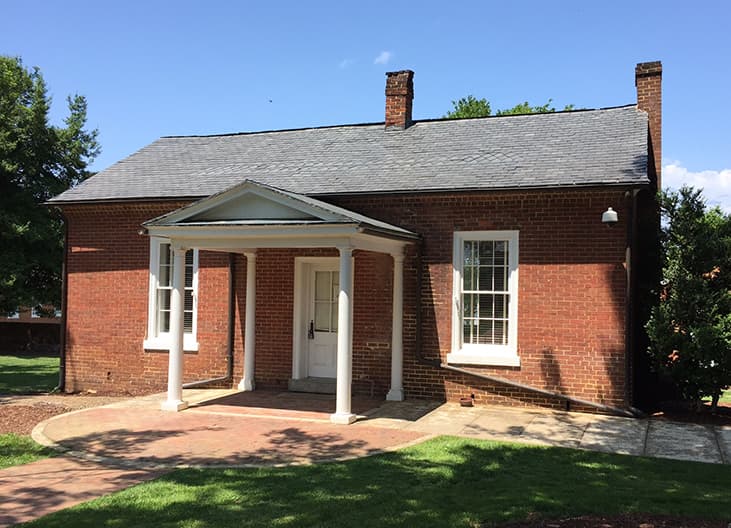
Tuckahoe Plantation Legacy Shapes Goochland History and Health
Tuckahoe Plantation, built in the early 18th century and expanded by William Randolph II about 1740, remains one of Goochland County’s most important historic sites, notable for its "H" shaped main house and surviving plantation outbuildings including slave quarters. Understanding this site’s architectural and agricultural past matters to local residents because it informs education, preservation decisions, and efforts to address longstanding social and health inequities tied to the county’s plantation-era history.
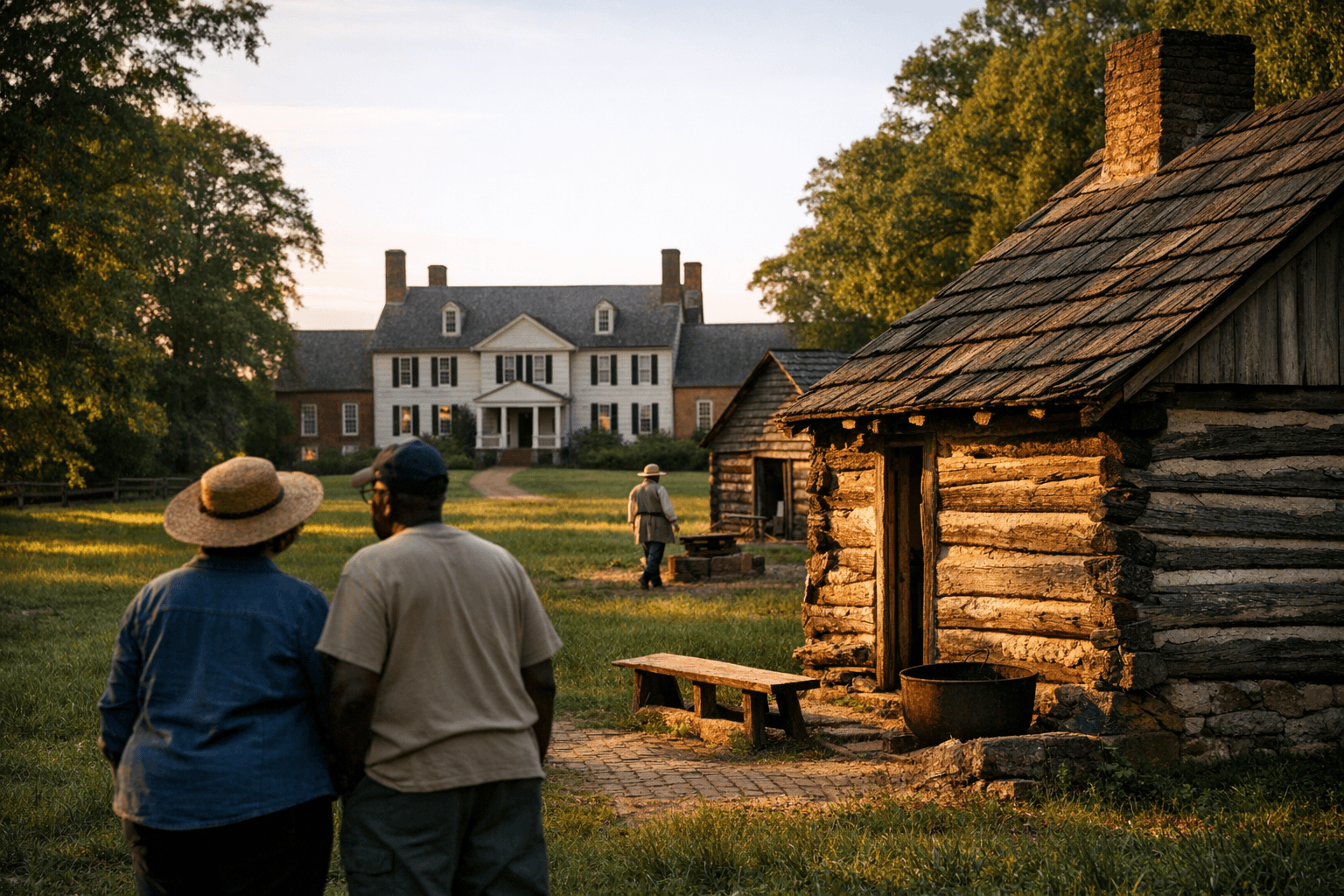
Tuckahoe Plantation near Manakin–Sabot, straddling the Goochland and Henrico line, has long been central to the county’s sense of place. Built in stages in the early 1700s and enlarged around 1740, the house’s distinctive "H" shape and a surviving "plantation street" of smokehouse, storehouse, kitchen, and slave quarters offer a rare, tangible window into colonial and early‑republic life in central Virginia. The property’s agricultural economy once centered on tobacco and wheat, and its ownership is connected to early Virginia families; Thomas Jefferson spent part of his early childhood on the grounds. Listed on the National Register of Historic Places, Tuckahoe remains a primary site for understanding Goochland’s foundational era.
Those historical facts carry immediate implications for today’s community. The physical presence of slave quarters confronts residents with the lived reality of enslavement and the intergenerational harms that followed. The patterns of land use, wealth accumulation, and exclusion that were established during the plantation era helped shape social determinants of health that persist: access to land, housing, economic opportunity, and educational resources. For public health and social service providers in Goochland, connecting these historical roots to present-day disparities is essential to designing programs that are equitable and culturally responsive.
Preservation choices also have community health consequences. Decisions about interpretation, access, and programming determine whether the site becomes a place of inclusive education and healing or a sanitized tourist attraction that overlooks painful truths. Ensuring physical access for older residents and people with disabilities, partnering with schools to integrate truthful local history into curricula, and involving descendant communities in interpretation are all public-policy matters that affect social cohesion and mental health.
Local officials, historians, health professionals, and residents face intertwined choices about funding, stewardship, and outreach. Thoughtful preservation and interpretation of Tuckahoe can strengthen civic understanding, support trauma-informed community engagement, and guide policies that address long-standing inequities rooted in Goochland’s plantation past. As the county moves forward, the plantation’s buildings and stories offer an opportunity to connect historical truth-telling with concrete efforts to improve health, equity, and community resilience.
This article was produced by Prism’s automated news system from verified source data, official records, and press releases, then run through automated quality and moderation checks before publishing. The system is built and supervised by the people who set the standards it runs under. Read our full AI policy.
Did this article answer your question?