Whole-blood program expands to Goochland, already used nine times
Goochland crews have already used whole blood nine times on rural emergencies, giving crash and farm victims transfusions before hospital arrival.

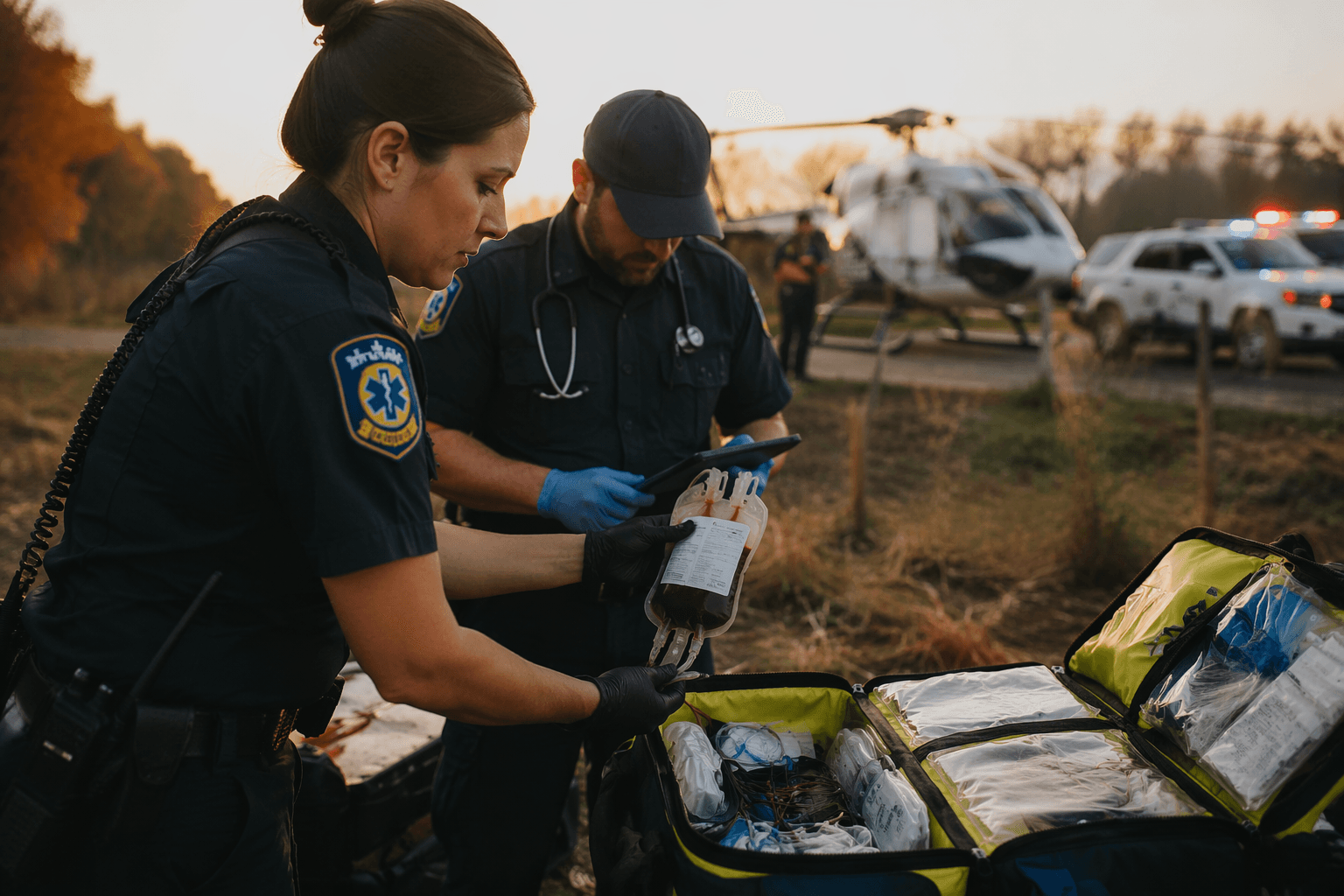
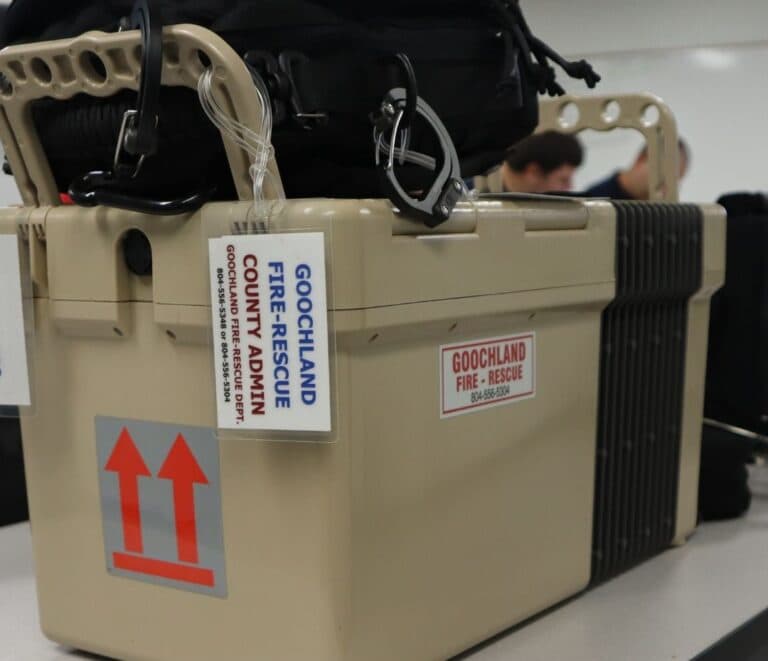
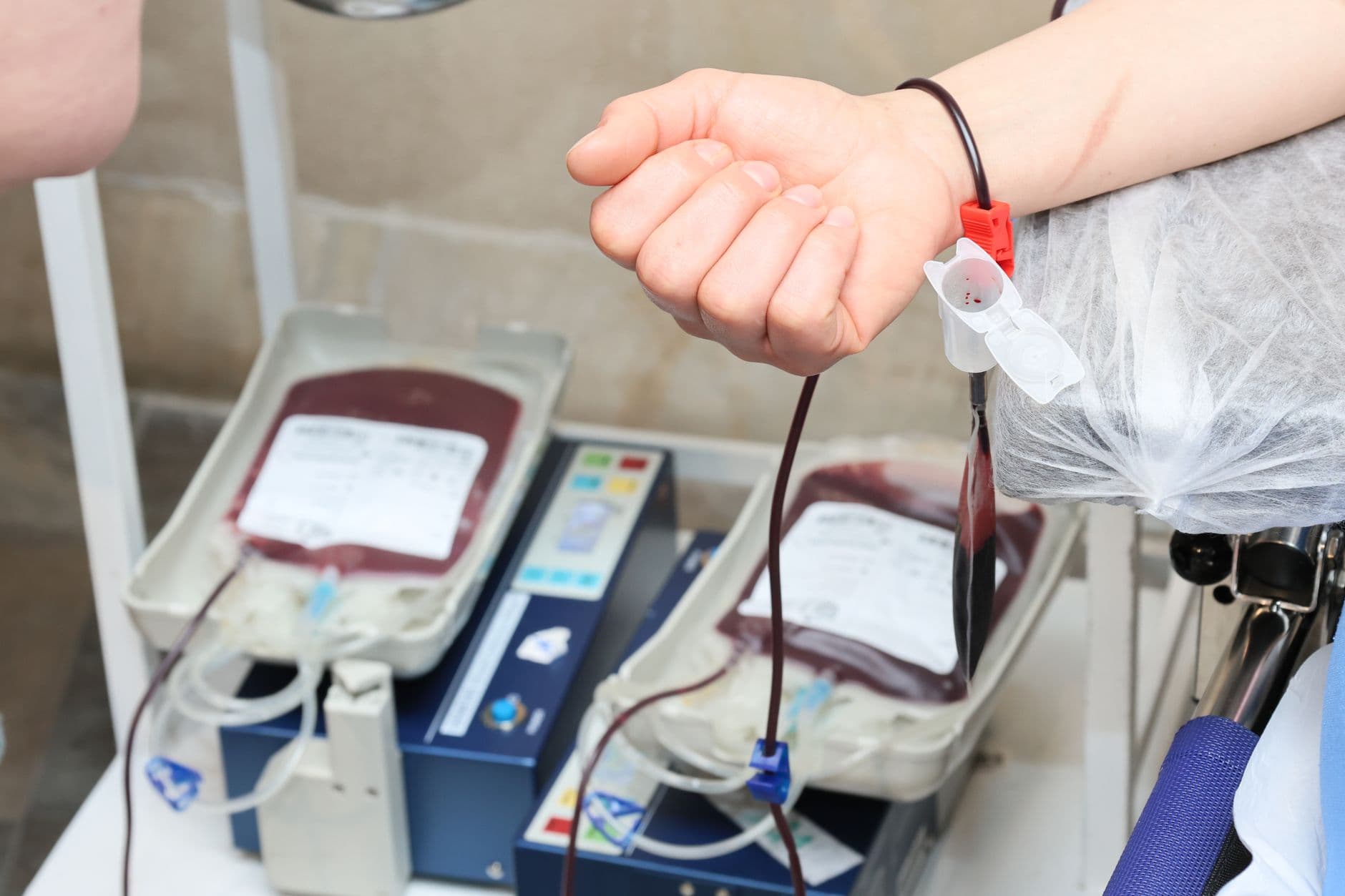
A whole-blood program that started in Goochland County in September is built around O-positive blood staged in a refrigerator at the Virginia State Police hangar, so first responders can start transfusions before a patient reaches a trauma center.
Goochland County Fire-Rescue began its EMS Whole Blood Program on Wednesday, Sept. 17, 2025, through a partnership with Chesterfield Fire and EMS, Virginia State Police EMS Med-Flight 1 and Inova Blood Donor Services. The county can give up to two units of low-titer O-positive whole blood in pre-hospital care and says it is the first rural agency in Central Virginia to put that kind of system in place.
Goochland Fire & Rescue Deputy Chief Mike Watkins said the program had already been deployed nine times since Goochland joined in September. Watkins said every minute without whole blood can increase morbidity and mortality.
Chesterfield firefighter and flight paramedic Nick Ronesi said the blood program had been administered 85 times since it launched in June 2023. It is intended for severe cases such as internal bleeding, trauma, crashes and gunshot wounds, and it helps crews stabilize patients and get them to surgery with better blood pressure than older treatment methods often provide.
Goochland Fire-Rescue also trained staff on consent procedures and on how to handle patients who decline transfusion for faith-based reasons. Goochland Fire-Rescue says traumatic injury is the leading cause of death for people under 46, and a person can bleed to death in three to five minutes.
The program grew out of a regional system formally named in 2023 but rooted in far older cooperation. Chesterfield first stationed a helicopter there in 1984 at Station 14, then moved it to Richmond-Chesterfield Executive Airport in 1989. Virginia State Police says Med-Flight I began operating on April 1, 1984, and its aviation programs now serve 43 hospitals across 59 counties and 34 cities, averaging more than 1,800 calls a year and more than 800 patient transports annually since 2022.
This article was produced by Prism’s automated news system from verified source data, official records, and press releases, then run through automated quality and moderation checks before publishing. The system is built and supervised by the people who set the standards it runs under. Read our full AI policy.
Did this article answer your question?