Boardman River Nature Center offers year-round access near Traverse City
Three miles from downtown Traverse City, the Boardman River Nature Center links quick family visits to the county’s biggest river restoration story.
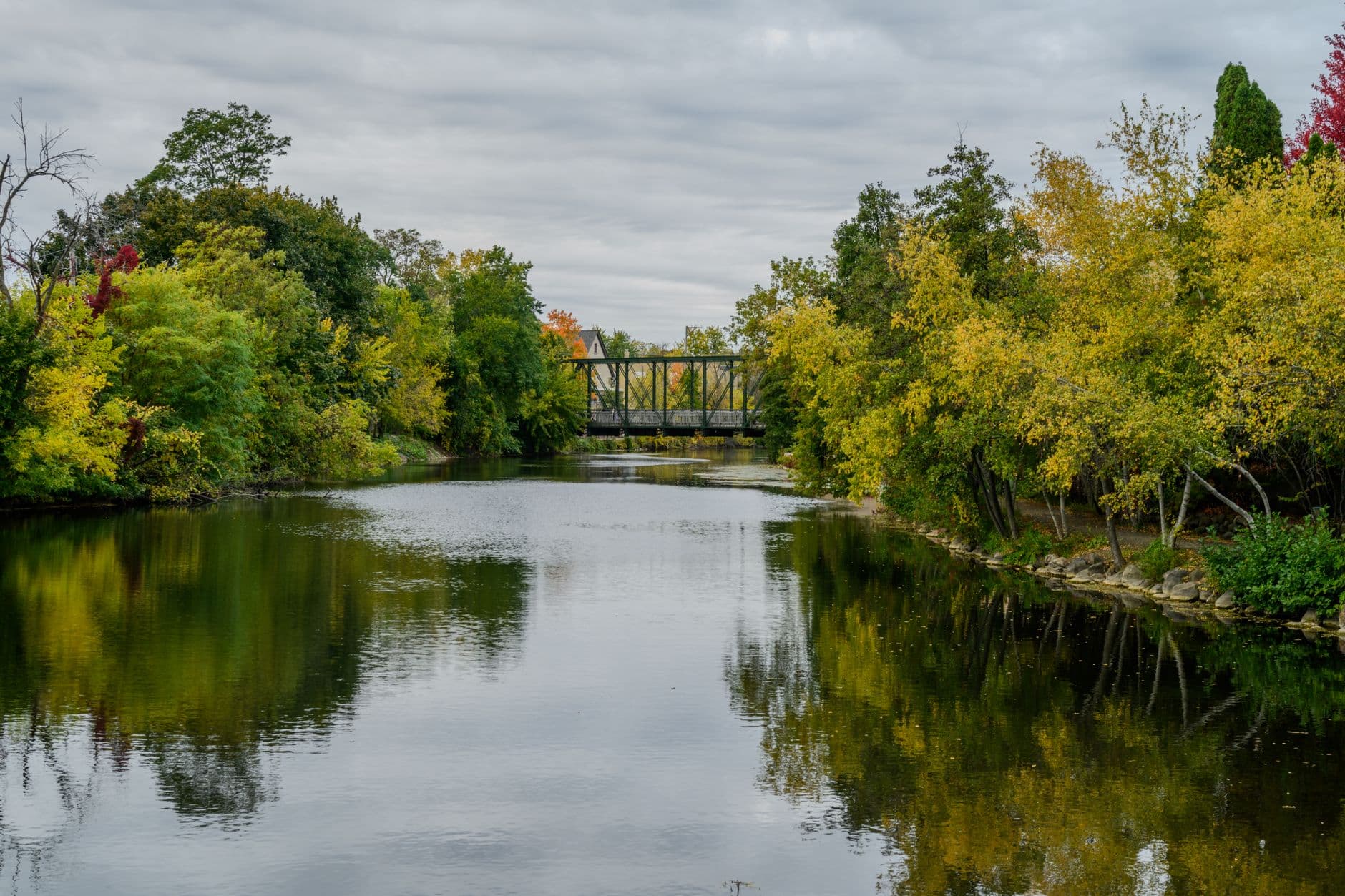
The Boardman River Nature Center gives Grand Traverse County something rare: a close-in place where a short visit can turn into a real look at river habitat, trail access, and local conservation work. Built on the banks of the Boardman River inside the Grand Traverse Natural Education Reserve, the center sits just far enough from downtown Traverse City to feel like a nature escape and close enough to fit into a morning or afternoon without a long drive.
A close-to-town gateway to the river corridor
Grand Traverse County lists the Nature Center at 1450 Cass Road in Traverse City, and the reserve itself is described as a 505-acre property about three miles from downtown. That location matters because it puts a major stretch of the Boardman corridor within easy reach of city neighborhoods, schools, and visitors who want outdoor time without a full-day trip.
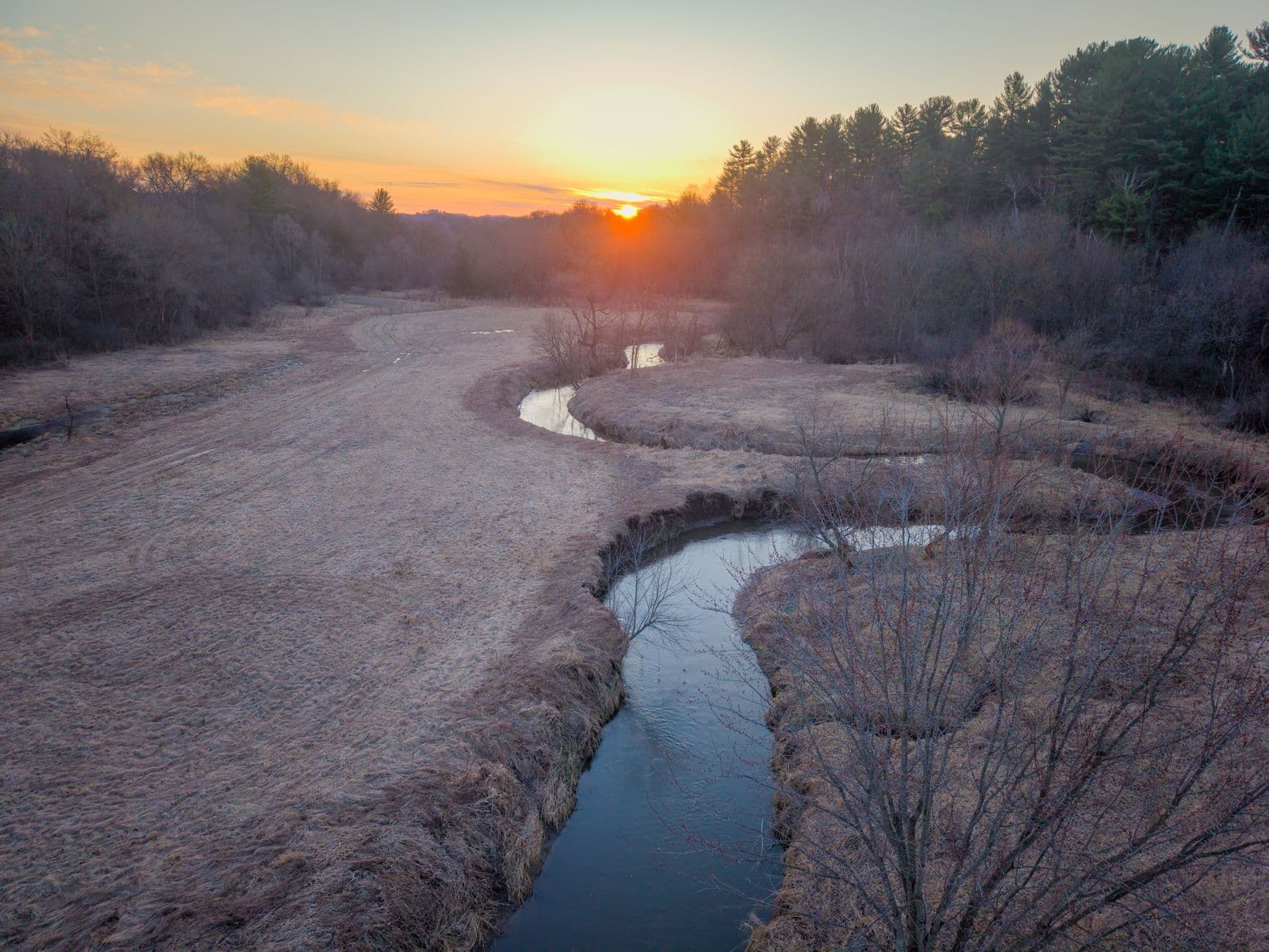
The Grand Traverse Conservation District describes the center as its gateway to the natural world. That is not just a slogan. The building functions as the public face of a landscape that mixes meadow, forest, river, and wetland ecosystems, giving visitors a chance to see how the county’s watershed works in one connected place.
What the Nature Center offers indoors and out
The Nature Center is not only a trailhead. The district says it includes an interpretive gallery and rotating exhibits that change with the seasons, which makes it useful in winter as well as summer. Families, school groups, and casual visitors can start inside, get context on the land and river, then head out to the reserve with a clearer sense of what they are seeing.
That indoor-outdoor structure has defined the site since its opening. A Northern Express feature on the center’s launch said the new Boardman River Nature Center held a grand opening on Aug. 16-17, 2008, and described it as a $1 million facility that would serve as the home offices of the Grand Traverse Conservation District. The same report said the center would include nature displays, workshops, and programs for children, with outdoor classes at the Oleson Pavilion.
How to visit today
Grand Traverse County says the Boardman River Nature Center is open Tuesday through Friday from 10:00 a.m. to 4:00 p.m. Those hours make it a practical stop for a weekday outing, especially for parents with flexible schedules, retirees, and anyone pairing a visit with nearby errands in Traverse City.
The reserve’s trail system gives the site its strongest year-round draw. Up North Trails describes the Grand Traverse Natural Education Reserve as a place with six trails and nearly 7 miles of mostly single-track trail running through the property. The trails run through a mix of habitat types, so a single walk can move from wooded sections to open meadow and toward river or wetland edges without leaving the reserve.
Some of the appeal is how quickly you can get there. At about three miles from downtown, the reserve works as a low-friction option for walkers who want a short outing, families who need an easy place to let kids move, and visitors who want to understand the Boardman corridor without going far from the city center.
Why the Boardman corridor matters
The Boardman-Ottaway River watershed is much larger than the reserve around the Nature Center. Project materials describe it as a 287-square-mile watershed with 180 miles of river and tributary streams spanning Grand Traverse and Kalkaska counties. That scale explains why a local nature stop can have countywide meaning: what happens in and around the river affects habitat, water quality, and trail connections across a broad system.
The river corridor has also been the center of one of Michigan’s major restoration efforts. Materials tied to the project describe the Boardman River dam removals as the largest dam removal project in Michigan’s history and a major wetlands restoration effort in the Great Lakes Basin. The work moved in phases, with Brown Bridge Dam removed in 2012, Boardman Dam removed in 2017-2018, and Sabin Dam removed in 2019.
A Sept. 30, 2017 Traverse Ticker report said removal of Boardman Dam and rerouting of the river beneath the new Cass Road bridge was 95 percent complete and potentially on track for a late-October finish. That detail shows how closely the trail, road, and river systems are linked around the Nature Center and the reserve.
Who shaped the restoration
The restoration effort pulled together an unusually broad coalition. The implementation team included the City of Traverse City, Grand Traverse Band of Ottawa and Chippewa Indians, Grand Traverse County, Michigan Department of Natural Resources, Michigan Department of Environment, Great Lakes and Energy, Traverse City Light and Power, the Michigan Hydro Relicensing Coalition, and the U.S. Fish & Wildlife Service.
That mix of city, county, tribal, state, federal, utility, and nonprofit interests reflects how much the Boardman corridor affects daily life in Grand Traverse County. It is not only about habitat. It is also about crossings, floodplain design, public access, and the way the river fits into the built landscape around Traverse City.
How the Nature Center connects to stewardship
The Grand Traverse Conservation District says it has worked for nearly 80 years and is based out of the Boardman River Nature Center. That makes the center more than a visitor stop. It is the operational base for the group’s education and stewardship work, including field-trip programs that connect students with nature, conservation, restoration, and stewardship.
That educational role gives the site a wider civic purpose. A child who sees the river, the trails, and the exhibits is also seeing the practical result of decades of local conservation planning. In Grand Traverse County, the Nature Center is one of the clearest places to understand how public access and habitat protection reinforce each other.
The next connection point in the corridor
The district’s Ottaway Crossing footbridge plan extends that idea. The proposed 160-foot pedestrian bridge would span the Boardman-Ottaway River where Sabin Dam once served as an east-west crossing. The goal is to restore a missing link between miles of trails, create a more user-friendly loop within the Natural Education Reserve, and improve access to the Great Lakes Incubator Farm.
That proposal shows why the Nature Center remains central to the county’s outdoor network. The building offers the entry point, the reserve provides the walkable landscape, and the river corridor still drives the next phase of trail connectivity. For residents and visitors alike, the Boardman River Nature Center is where a short stop can open into a much larger story about river habitat, public access, and the future of one of Grand Traverse County’s most important natural corridors.
This article was produced by Prism’s automated news system from verified source data, official records, and press releases, then run through automated quality and moderation checks before publishing. The system is built and supervised by the people who set the standards it runs under. Read our full AI policy.
Did this article answer your question?