Brown Bridge Quiet Area offers miles of trails along Boardman River
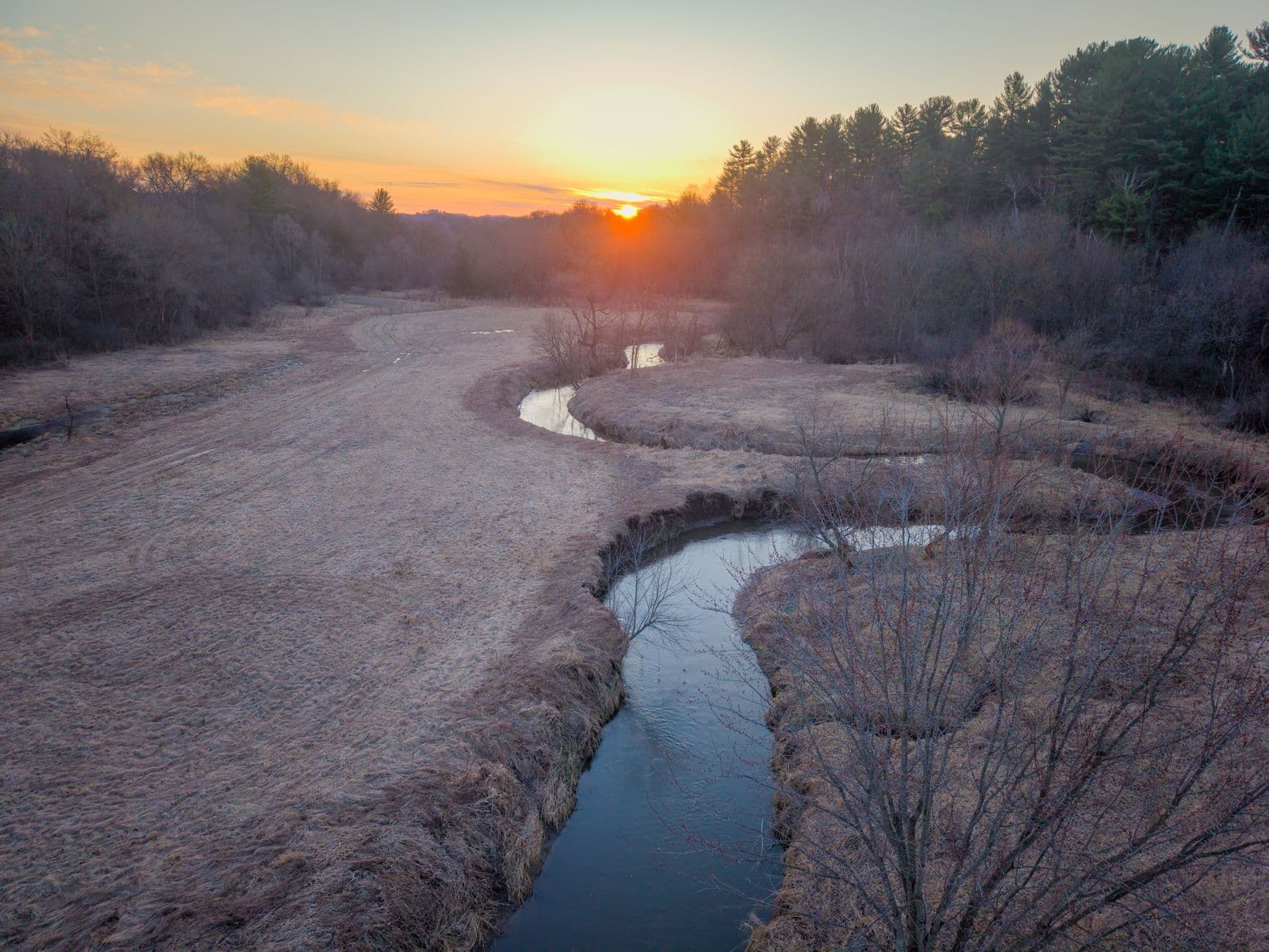
Brown Bridge Quiet Area gives Grand Traverse County 1,300 acres of river corridor trails, with room for family walks, longer hikes, and quiet seasonal outings.
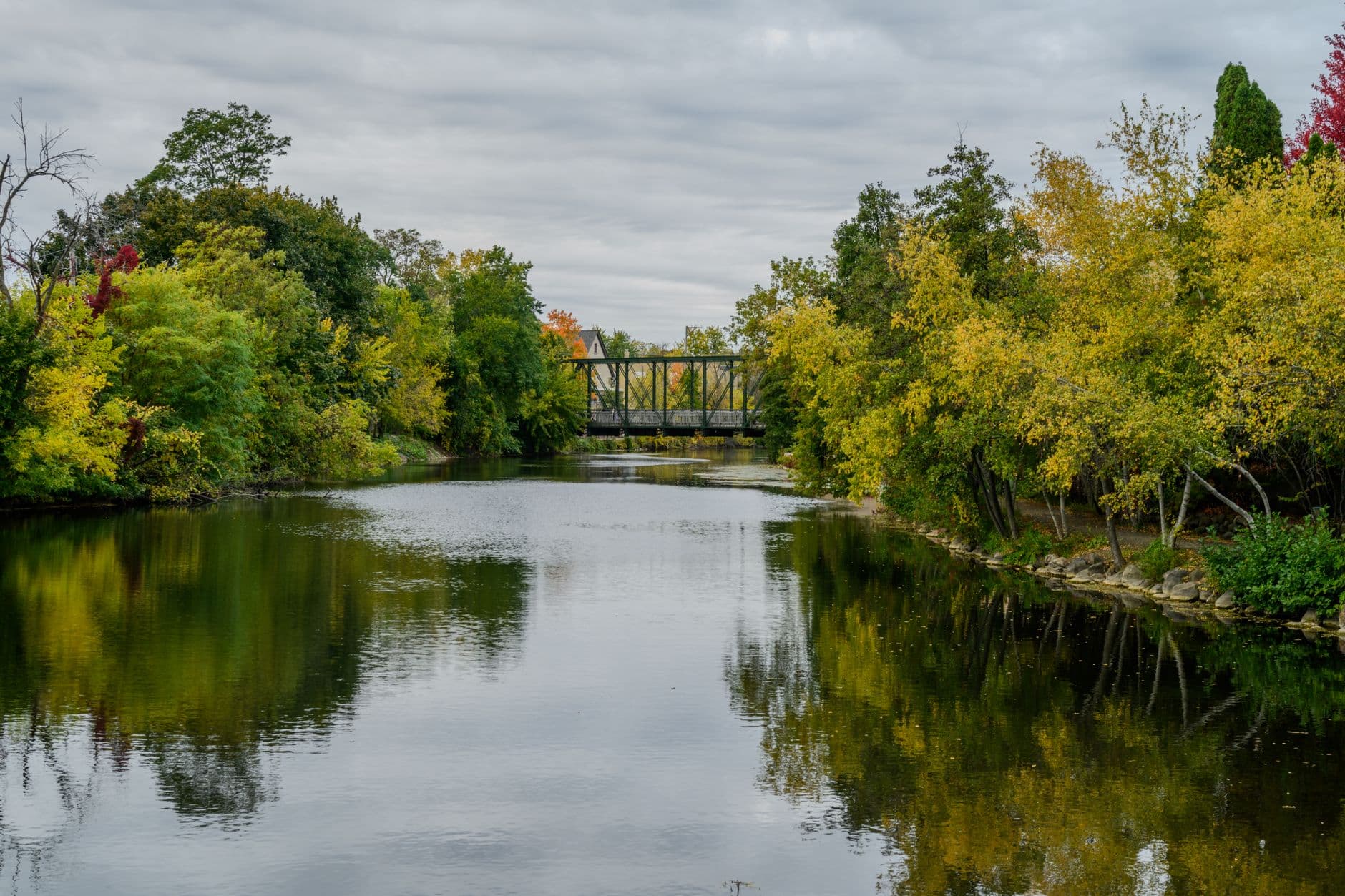
Brown Bridge Quiet Area offers one of the closest big outdoor escapes to Traverse City, with roughly 1,300 to 1,310 acres of woods and river frontage about 11 miles southeast of downtown. It feels larger than a neighborhood preserve because it is: the trail network stretches from short outings to longer loops, and the Boardman River setting gives the land a quieter, more protected character than busier recreation spots around the county.
Why Brown Bridge stands out
Brown Bridge is not a pocket park, and that is the point. The Grand Traverse Conservation District lists 1,310 acres and 6 miles of trail; Traverse City’s recreation listing calls it approximately 1,300 acres with more than 8 miles of trails. Those figures line up on the same basic fact: this is a substantial preserve that can absorb repeat visits without feeling overused.
The other thing that sets it apart is place. The trails run along the Boardman River, a state-designated Natural River, so the experience is shaped by the river corridor as much as by the forest itself. The setting is especially useful for Grand Traverse County residents who want a low-cost outing without driving far, and for anyone who prefers a quieter, more nature-forward alternative to more crowded trailheads and water-access sites.
How the trail system works
The city describes Brown Bridge’s trail system as divided into four sections, which makes the preserve easier to use than a single long route with one way in and out. Families can pick a shorter section for a simple walk, while hikers can stitch together a longer outing and return later to explore a different part of the property.
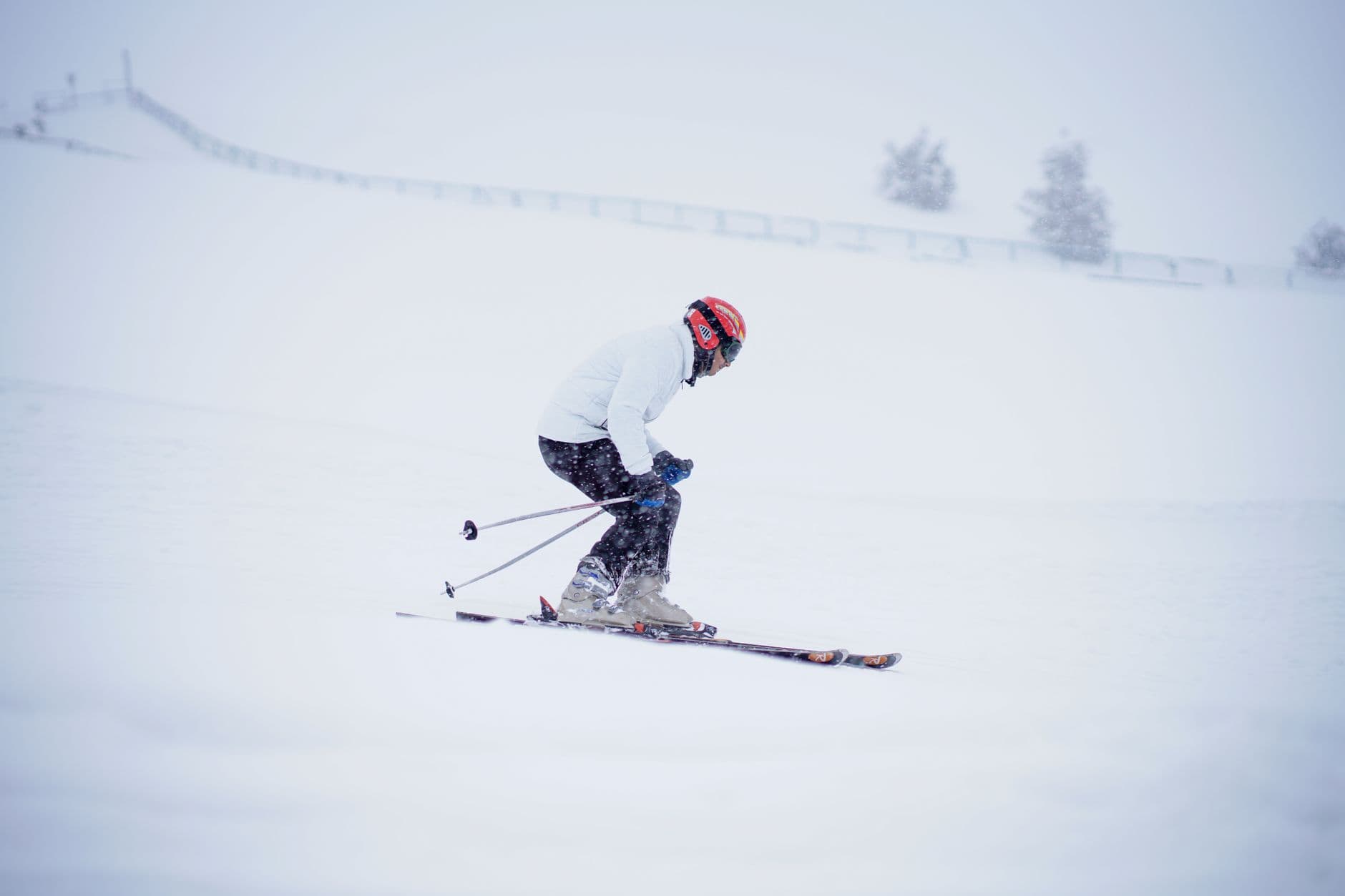
The trail resource tied to the preserve says the routes are limited to hiking, snowshoeing and cross-country skiing depending on season and conditions. That seasonal flexibility matters in Northern Michigan, where the same path can feel completely different in midsummer, after a snowfall, or during spring thaw. If you want a quieter winter outing, Brown Bridge fits that need especially well because it is built for low-impact use rather than high-speed recreation.
One trail note also lists a closure at the Grasshopper Creek Footbridge at Trail Marker 5, a reminder that access can change and that this is still a working natural area, not a fully paved park system. The practical value for local readers is simple: Brown Bridge rewards people who check conditions, choose the right season, and expect a natural surface trail experience.
Who gets the most out of it
Brown Bridge is best for people who want space, quiet and steady walking more than amenities. Families can use the shorter sections for an easy outing, hikers can turn the preserve into a half-day plan, and birders will find the Boardman River corridor and mixed forest setting more appealing than open, high-traffic recreation sites.
It also serves residents who want a close-to-home place to decompress without paying for a destination trip. That matters in Grand Traverse County, where many popular outdoor spots fill quickly in summer. Brown Bridge’s scale and trail divisions spread visitors out, and the quiet-area identity helps keep the experience closer to the kind of low-key recreation many locals are actually seeking.
A river landscape with real history
Brown Bridge was not always a quiet-area preserve. Brown Bridge Pond formed after construction of the Brown Bridge Dam in 1922, and city sources say the pond remained until the fall of 2012. The dam was decommissioned in 2004 and removed in 2012, which allowed the Boardman River to return to its historic channel.
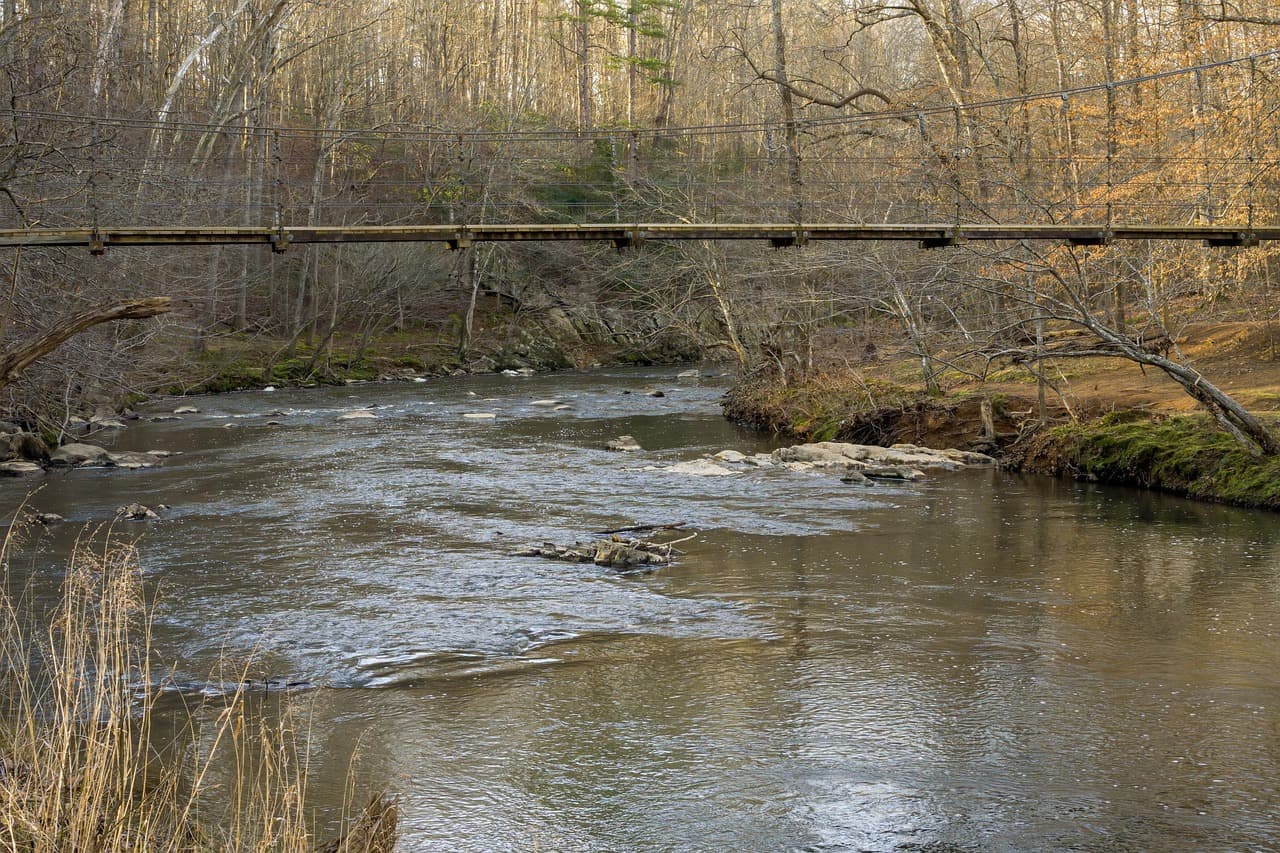
That change was part of the Boardman River Dams Project, which a 2012 dam-status update said was intended to restore the river to a more natural flowing, coldwater stream. The project was described as the largest dam-removal project in Michigan history and included removal of the Brown Bridge, Boardman and Sabin dams, plus modification of Union Street Dam. Brown Bridge Quiet Area was one of the first sections of the Boardman River to undergo restoration, which gives the site unusual weight in the region’s conservation story.
The broader river system matters too. The Boardman River is about 26 miles long, and its watershed covers approximately 186,000 acres, or 287 square miles. Brown Bridge sits inside that larger network, so a visit there is not just a walk in a local preserve. It is a close look at a river system that shapes water, habitat and land use across the Grand Traverse region.
Who helped shape the river comeback
The Brown Bridge story also reflects a rare level of coordination among public and tribal partners. The implementation team for the Boardman-Ottaway project included the City of Traverse City, Grand Traverse Band of Ottawa and Chippewa Indians, Grand Traverse County, Michigan Department of Natural Resources, Michigan Department of Environment, Great Lakes and Energy, Michigan Hydro Relicensing Coalition, Traverse City Light & Power and the U.S. Fish & Wildlife Service.
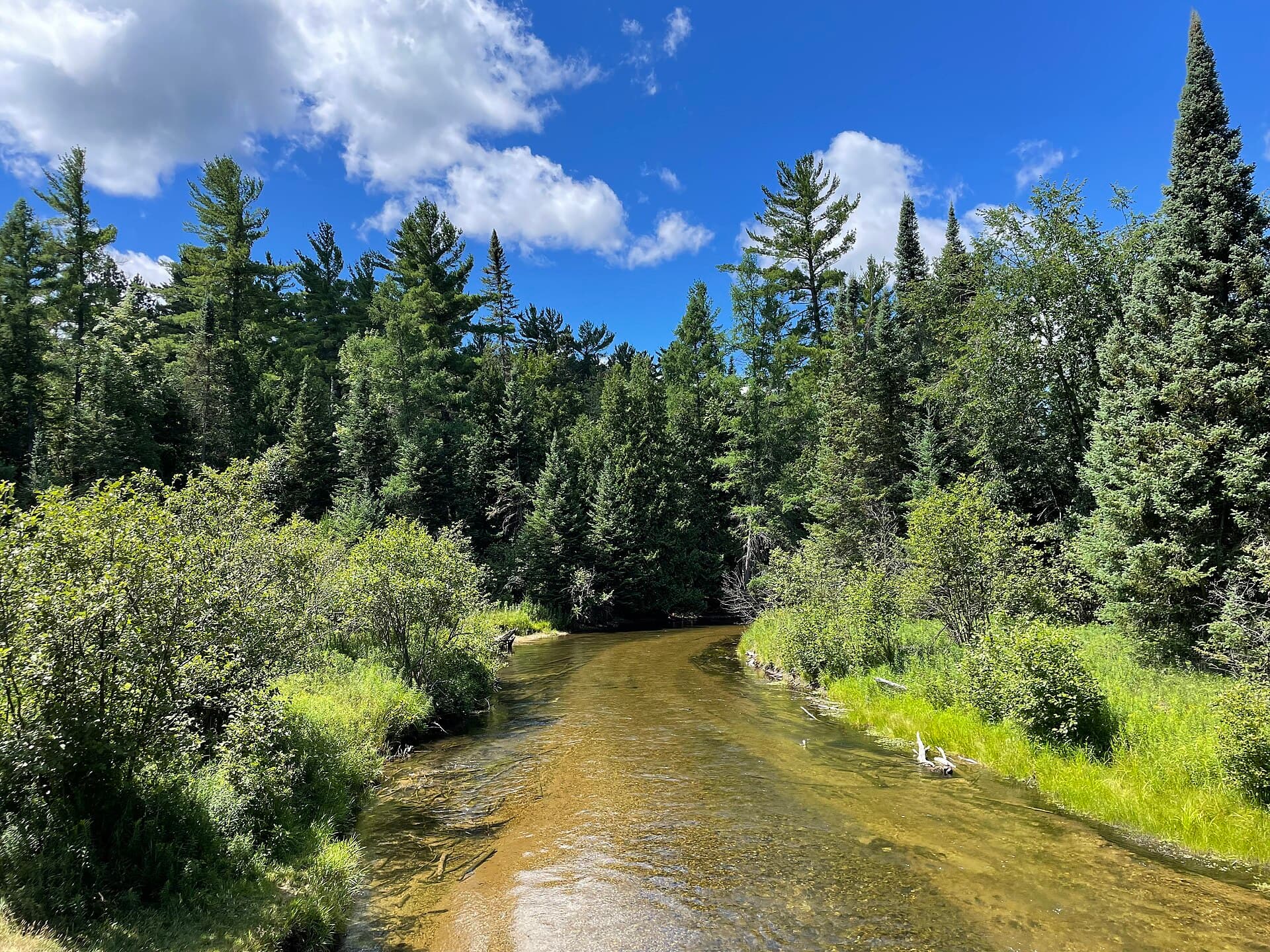
That kind of multi-agency stewardship matters on the ground. It is one reason Brown Bridge feels managed as a conservation landscape rather than simply a former impoundment, and it helps explain why the preserve can support both recreation and river restoration at the same time.
What the latest expansion means
Brown Bridge is still changing. In June 2026, the City of Traverse City closed on the acquisition of 528 acres adjacent to the quiet area. The purchase was backed by a $2,352,200 Michigan Natural Resources Trust Fund grant, and city residents had voted in 2023 to use up to $746,245 from Brown Bridge Trust Fund dollars toward the expansion.
That addition is more than a land deal. It signals that Brown Bridge remains a growing public asset for Grand Traverse County, with more room for conservation, trail planning and low-cost outdoor access close to home. For residents who want a quiet river walk without leaving the county, it is one of the clearest places where public investment is still shaping the landscape they use.
This article was produced by Prism’s automated news system from verified source data, official records, and press releases, then run through automated quality and moderation checks before publishing. The system is built and supervised by the people who set the standards it runs under. Read our full AI policy.
Did this article answer your question?