Cox talks tourism, housing shortages with Traverse City retailers and voters
Cox pitched a no-income-tax Michigan in Traverse City, but Grand Traverse leaders are still wrestling with a 167% home-price surge and a deep housing shortage.
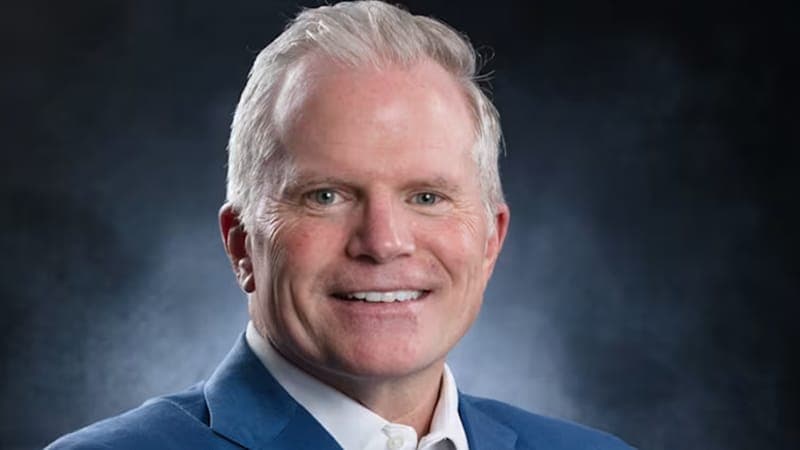
Grand Traverse County’s housing squeeze and tourism economy framed Mike Cox’s stop in Traverse City, where the Republican governor hopeful met with retailers and voters and argued that a no-income-tax state would better serve workers and business owners. The message landed in a market where a 2008 workforce-housing report said average home values in the Grand Traverse region rose 167% from 1990 to 2005, while incomes increased only 57%.
Cox, who entered the 2026 governor’s race on April 15, 2025 and served as Michigan attorney general from 2003 to 2011, has cast his campaign as a bid to “Make Michigan Great Again.” He is one of several Republicans seeking the nomination, including Aric Nesbitt and John James, and his Traverse City visit put a local spotlight on whether that tax message translates into concrete relief for workers, renters and small businesses facing higher costs.
The state tax debate remains central to that pitch. Michigan’s income tax rate stayed at 4.25% in 2026 after the rollback formula was not triggered, and the Michigan Supreme Court has already upheld that the earlier 4.05% rate was a one-time rollback. For Northern Michigan, where hotel taxes generated almost $30 million for convention and visitors bureaus, tax policy matters well beyond Lansing because tourism promotion, restaurant traffic and seasonal hiring all depend on an economy that can keep pace with rising housing costs.
Traverse City and its partners have already tried to respond. A 2023 housing market summary prepared for Housing North by Bowen National Research said local officials, stakeholders and employers need to understand current conditions and projected changes to plan for future housing needs. The City of Traverse City says it has leaned on zoning changes that encourage greater density, smaller units and rental housing, along with PILOT-backed projects and city-owned properties. Ruth Park delivered 58 residences and was completed in December 2023, while Annika Place and Annika Place II add 53 and 52 units.
Those numbers show why housing is now a campaign issue as much as a planning issue. A 2026 report said Michigan is short 195,462 housing units for extremely low-income renters, underscoring the pressure on communities like Traverse City where employers need workers who can afford to live nearby. Cox said he would continue talking workforce and manufacturing in other parts of Michigan, but in Grand Traverse County the test is whether that broader message comes with a plan specific enough to match the region’s housing and labor market.
This article was produced by Prism’s automated news system from verified source data, official records, and press releases, then run through automated quality and moderation checks before publishing. The system is built and supervised by the people who set the standards it runs under. Read our full AI policy.
Did this article answer your question?