Traverse City hosts NextCycle Michigan recycling pitch showcase
Traverse City hosted a pitch showcase where recycling and reuse teams chased investors, partners and cash awards. The ideas ranged from Detroit composting to wind-turbine blade reuse.
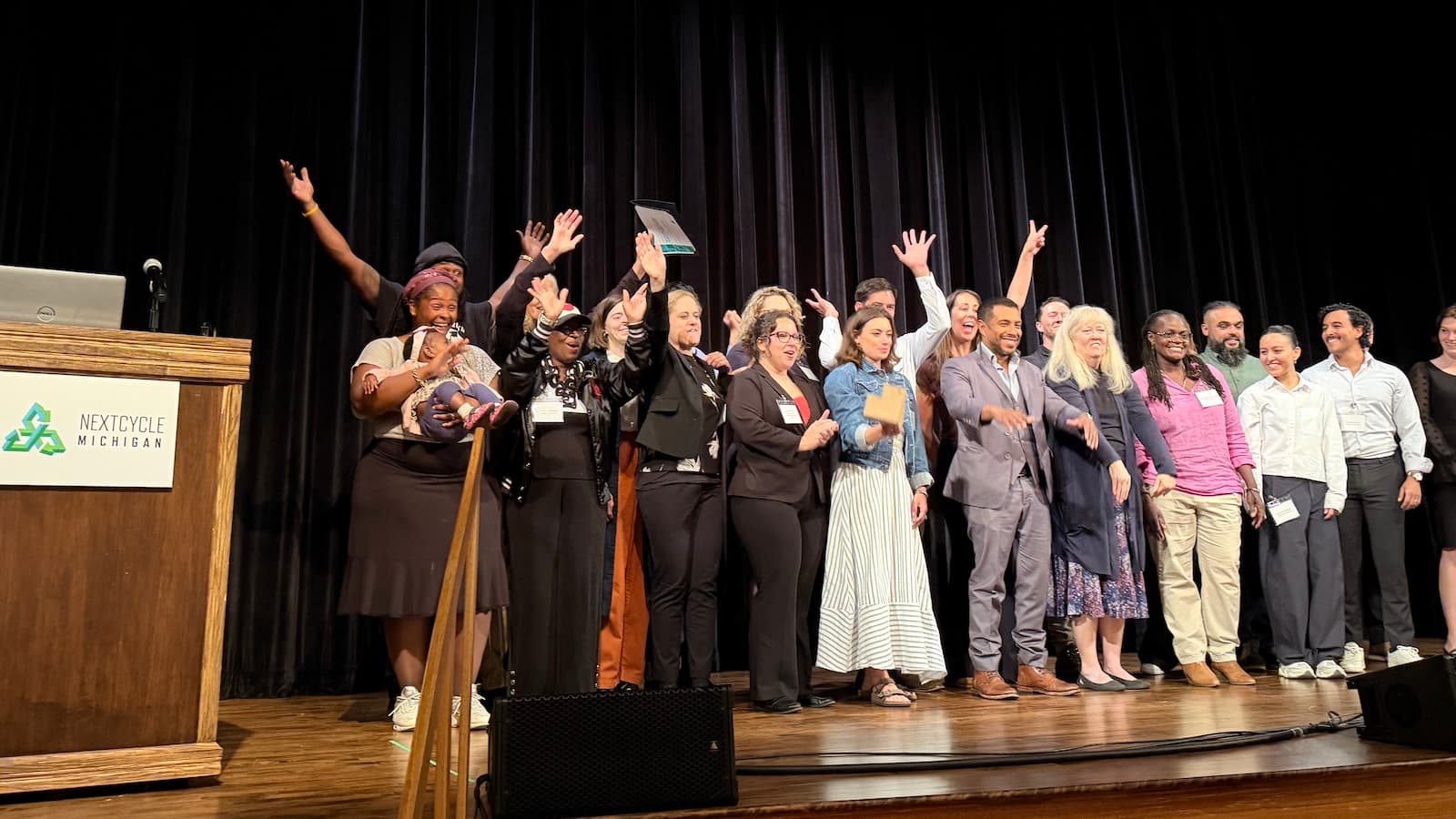
Traverse City hosted NextCycle Michigan’s showcase Friday, putting recycling and reuse pitches in front of judges, investors and potential partners who could turn the best ideas into contracts, pilots or new companies. The state-backed competition served as the capstone to the accelerator, and teams had only a few minutes to sell projects built around reuse, recycling, recovery and recycled-content markets.
The pitches ranged from composting food in Detroit’s urban farms to reusing material from decommissioned wind turbine blades, a spread that showed how broad Michigan’s waste problem has become and how many different businesses are trying to solve it. The common thread was simple: find a practical use for material that would otherwise go to a landfill, then build a business that can move it at scale.
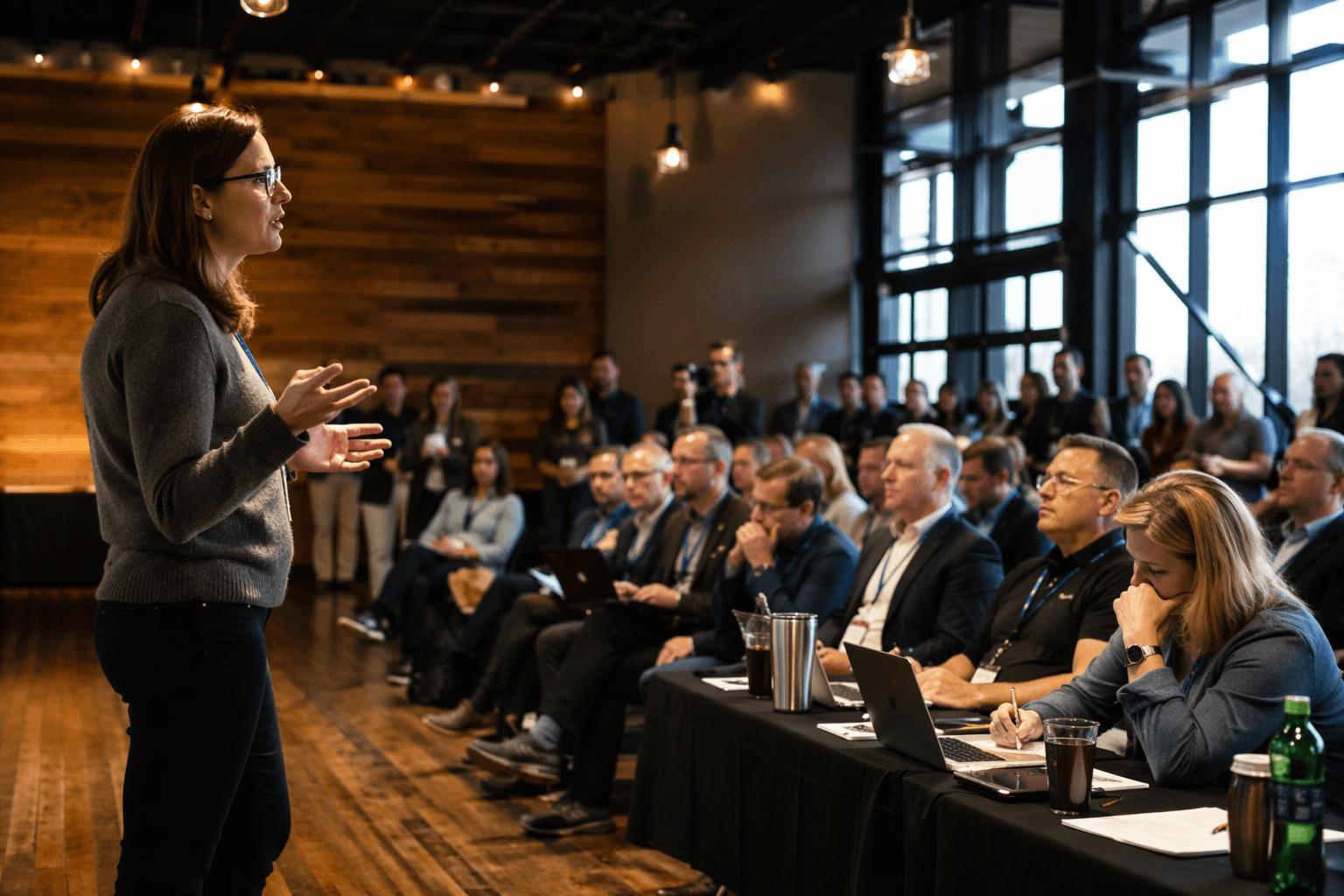
For Grand Traverse County, the immediate value was commercial, not ceremonial. Bringing the showcase to Traverse City gave local businesses, haulers, municipal leaders and would-be entrepreneurs a chance to meet the people trying to finance and scale circular-economy projects. If one of those teams needs a processing partner, a collection contract, a test site or a buyer for recycled content, that kind of face-to-face pitch can be the first step toward real work in northern Michigan.
The event also gave Traverse City a larger role in a statewide market conversation about where materials go, how waste gets diverted from landfills and which ideas can attract money fast enough to survive. The state’s “Shark Tank” label fit the format: teams had to convince judges, partners and investors quickly, with monetary awards on the line and little room for abstract policy talk.
That kind of pressure favors pitches that can show a path to revenue. A composting operation, a reuse business or a recycled-content manufacturer does not just reduce waste, it can create jobs, secure local supply chains and keep more value inside the region. If even one project that passed through Traverse City turns into an operating business or pilot program, residents could eventually see new vendors, more local processing capacity and fewer materials leaving the county as trash.
This article was produced by Prism’s automated news system from verified source data, official records, and press releases, then run through automated quality and moderation checks before publishing. The system is built and supervised by the people who set the standards it runs under. Read our full AI policy.
Did this article answer your question?