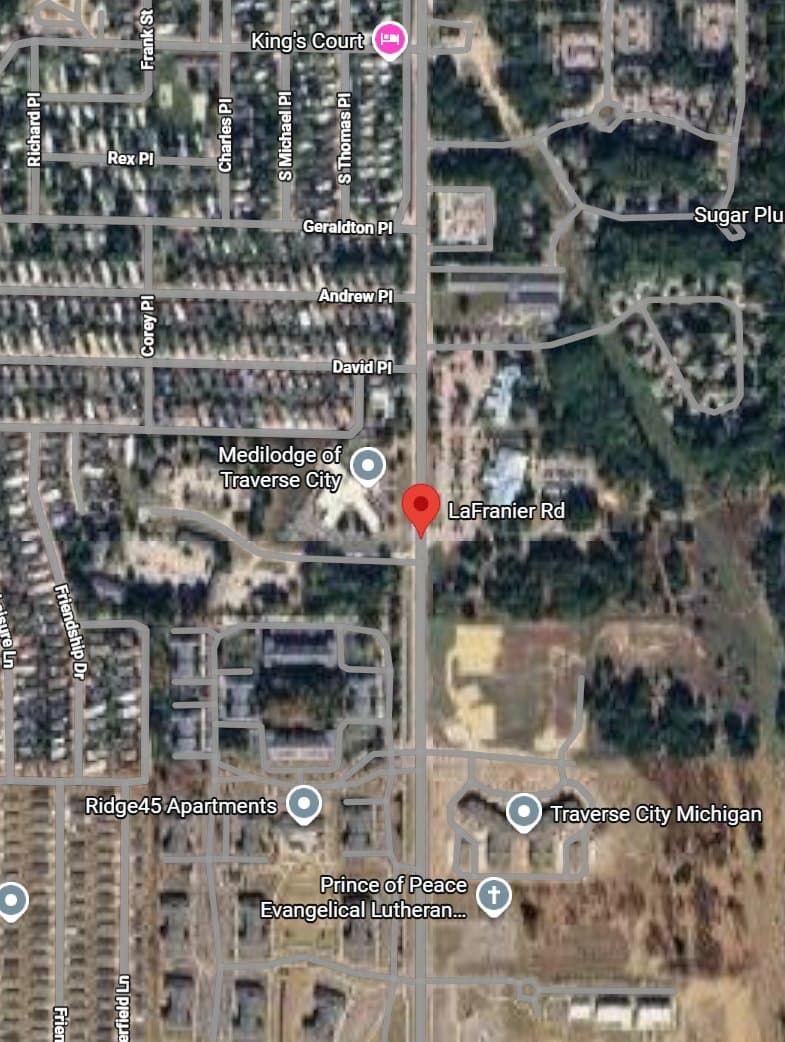
Eighth Street storm outlet eyed as pilot project for fixes
Manhole blowouts on Eighth Street have turned a proposed drainage district into a test of Traverse City’s stormwater system, with Bay water quality and traffic at stake.
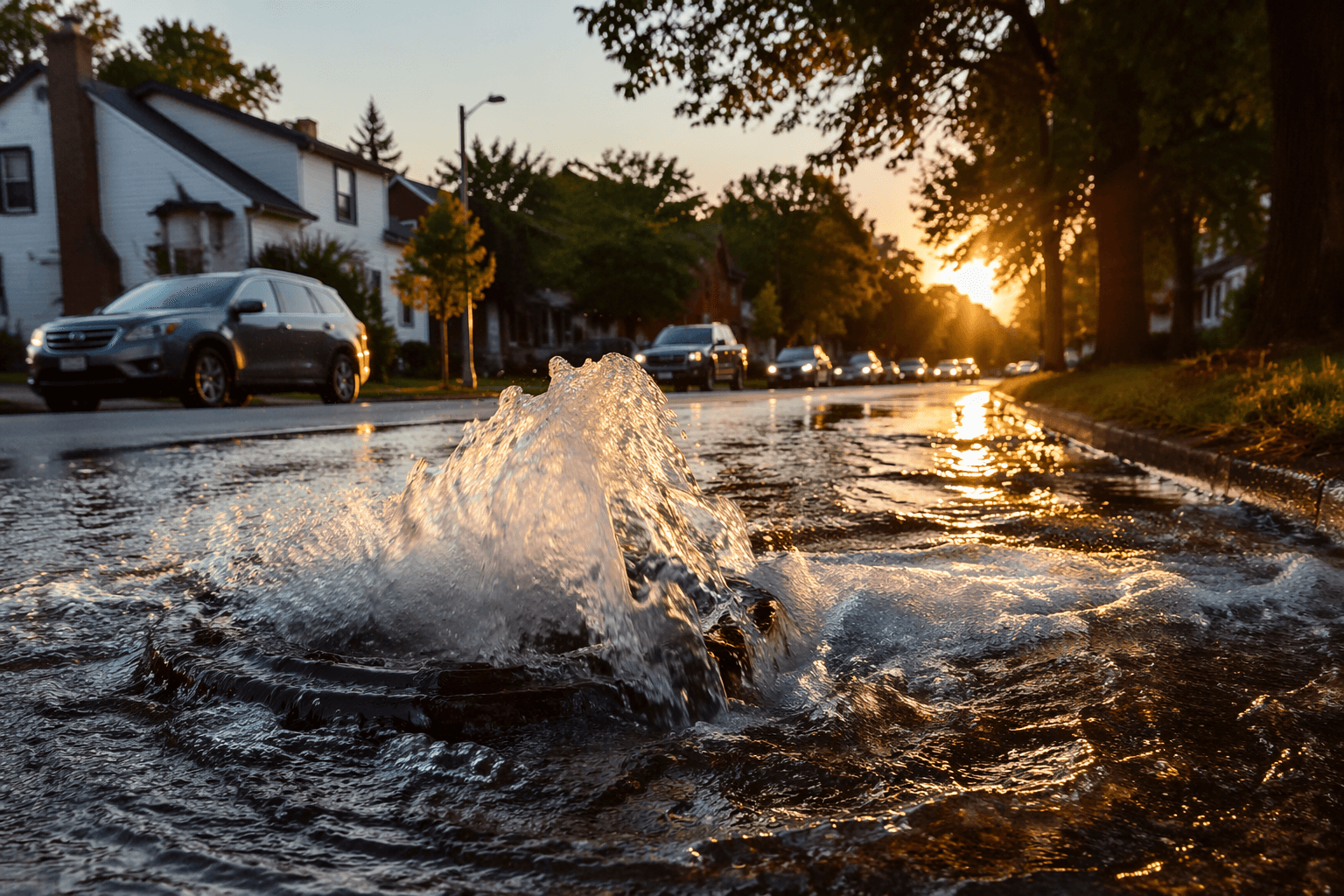
Manhole blowouts on Eighth Street have turned a proposed drainage district into a test of Traverse City’s stormwater system, not just a patch for one trouble spot. Grand Traverse County Drain Commissioner Andy Smits told city commissioners on June 10 that the corridor is a useful pilot project because recent failures exposed a problem area where heavy rain and aging infrastructure can quickly overwhelm the system.
The stakes go well beyond one stretch of pavement. The county drain commissioner’s office says it is responsible for surface water management and provides stormwater guidance and support to the county, which is why Smits’ office is at the center of the discussion. Traverse City’s stormwater program is tied to its state MS4 permit and to reducing pollutants before runoff reaches the Boardman-Ottaway River and Grand Traverse Bay, making Eighth Street both a roadway issue and a water-quality issue.
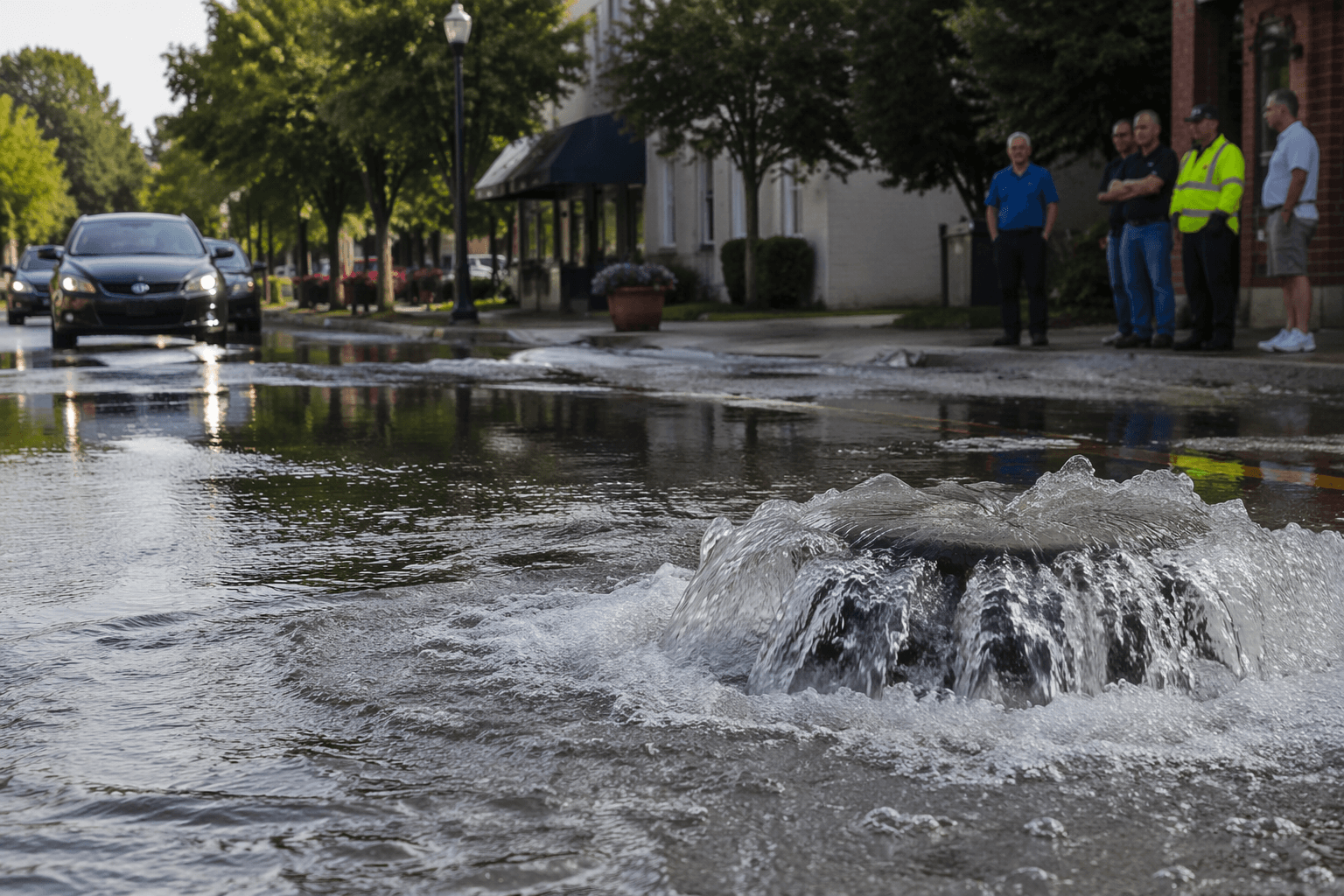
City leaders have already moved toward a drainage district for the Eighth Street drain, which prior city discussion said carried high flows during rain events and sent polluted water into East Grand Traverse Bay, the city’s drinking-water source. Earlier commission action on the district passed 6-0, with Commissioner Heather Shaw absent, and city Engineer Anne Pagano said the drain had both water-quality and capacity problems. If the pilot approach works, local officials could use it as a model for other parts of Traverse City where runoff and development collide.
The corridor matters for daily life as much as for infrastructure policy. Eighth Street is one of Traverse City’s main east-west traffic routes, and the city’s 2023-2024 pavement preservation work included reconstruction at the Eighth Street brick intersection, completed in June 2024. Any storm outlet fix there will have to work around a heavily traveled street that already has a long history of public investment.
The urgency sharpened again in April 2026, when Traverse City said flooding impacts were severe enough to prompt closures, safety measures and a self-reported damage assessment process. That response underscored the risk of waiting for the next major rain event to expose more failures at the outlet.
Any long-term fix will also have to move through Michigan’s Drain Code framework. Public Act 237 of 2024 requires the Department of Treasury to update the maximum maintenance or repair assessment amount each year, and Michigan Department of Transportation guidance says work within a county drain easement triggers coordination with the drain commissioner. For residents, drivers and businesses near Eighth Street, the question now is whether the pilot project can reduce blowouts before Traverse City is forced into a larger and more expensive repair cycle.
This article was produced by Prism’s automated news system from verified source data, official records, and press releases, then run through automated quality and moderation checks before publishing. The system is built and supervised by the people who set the standards it runs under. Read our full AI policy.
Did this article answer your question?