Grand Traverse County weighs how to spend $2 million opioid settlement money
County leaders were weighing mini-grants for treatment and recovery against any public-safety share of a $2 million opioid pot. State rules sharply limit what sheriff or prosecutor spending can cover.
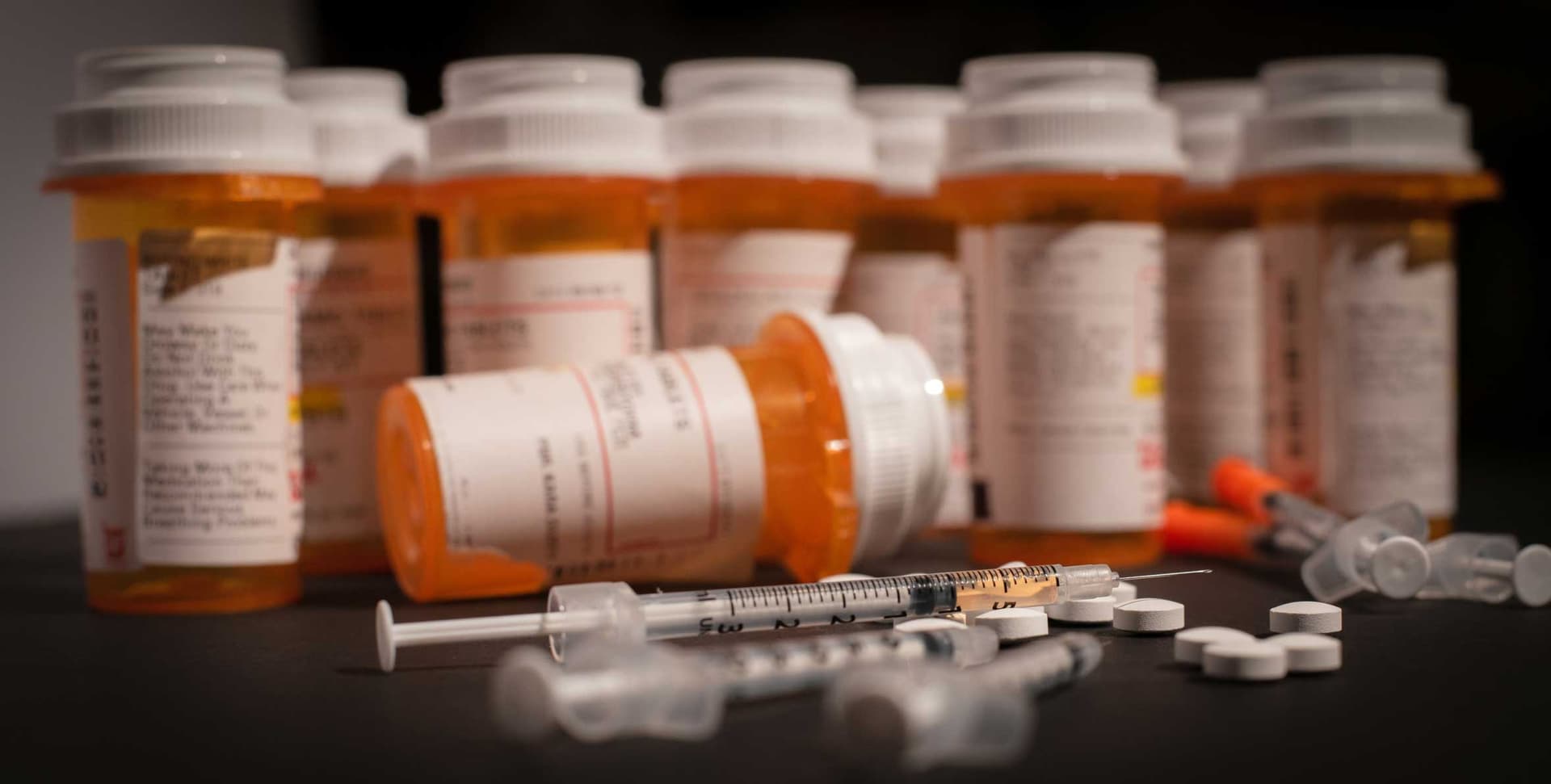
Grand Traverse County was weighing how to spend about $2 million in opioid settlement money, with commissioners split between quick grants for treatment and recovery services and any share tied to public-safety work.
On Jan. 8, 2026, the county health department issued a Request for Participation to form a seven-member Opioid Settlement Spending Advisory Committee. That committee is supposed to review proposals from Grand Traverse County-based service providers, recommend awards and results-based programming, and make public-facing recommendations to the Board of Commissioners. Under the county’s spending plan, final funding decisions still rest with the board.
The county adopted the opioid settlement spending plan in August 2025. The work is organized around prevention, treatment, harm reduction, recovery supports and other community-informed strategies, with four county-official seats and three community-based seats on the committee. The seats are meant to reflect public health, behavioral health, harm reduction, emergency medical services, housing, employment, social services, people in recovery, family members affected by substance use and rural or underserved communities.
Michigan’s Attorney General’s Office has set the outer limits. Opioid settlement money must go to opioid remediation, with at least 70% reserved for future remediation and 30% available to reimburse past remediation spending. It also lists many law-enforcement uses as likely non-remediation, including crime-detection work, prosecution support and general police equipment or recruitment costs.

Grand Traverse County had about $2 million in the bank and was expected to receive about $6.2 million overall, while some Michigan communities still had not spent any settlement money more than three years after funds began arriving in January 2023. Opioid policy expert Jonathan Stoltman put the timeline bluntly: “if a deliberative process takes three years, that is too long, and that money needs to get out the door.”
Commissioners were also considering distribution of more than $2.2 million in opioid settlement funds through community grants this fall.
This article was produced by Prism’s automated news system from verified source data, official records, and press releases, then run through automated quality and moderation checks before publishing. The system is built and supervised by the people who set the standards it runs under. Read our full AI policy.
Did this article answer your question?