Traverse City DDA advances 20-year tax plan extension for downtown projects
A 20-year TIF extension would keep downtown street, sidewalk and riverwalk money in place after 2027, or divert about $1.9 million elsewhere if it fails.
Traverse City’s Downtown Development Authority moved ahead June 25 with a 20-year extension that would keep downtown streets, sidewalks, utilities and public spaces funded long after the current tax-increment plan expires in 2027. The proposal would extend TIF-97 for another 20 years beginning in 2028, preserving a financing tool the DDA says is central to the day-to-day upkeep of the city core.
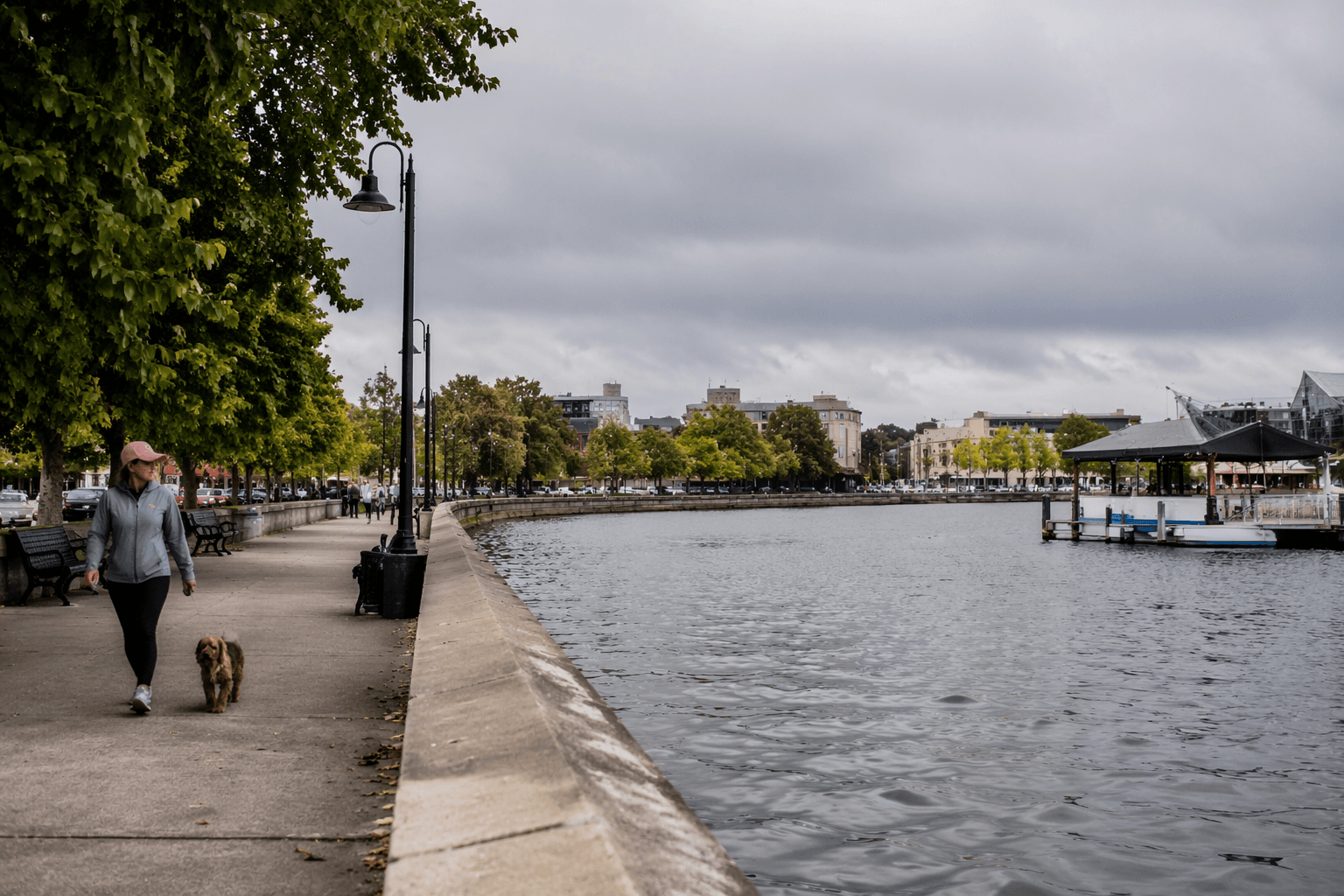
The stakes are immediate and local. DDA materials say downtown serves more than 50,000 daily visitors from outside the city, and the district’s spending already touches projects residents see and use: the Lower Boardman/Ottawa riverwalk, the west-end parking structure, the TART Trail extension, snowmelt and streetscape work, community-policing services and Wi-Fi. If TIF-97 expires, the DDA says Traverse City would lose about $1.9 million in regional tax revenue and would have to shoulder 100% of downtown infrastructure obligations itself.
A separate planning document puts the tradeoffs in sharper numbers. Without the extension, about $2.3 million in captured tax revenue would go to the city’s General Fund and about $1.7 million would return to participating taxing partners instead of staying in the DDA district. That is the money that would otherwise help pay for repairs, replacements and upgrades in a downtown built around heavy foot traffic, public events and year-round use.
The extension grew out of a broader “Moving Downtown Forward” process that began in early 2022, when the DDA hired Progressive Urban Management Associates to help shape the plan. DDA materials say nearly 1,300 community members took part through public meetings and surveys, and the board approved the Infrastructure First TIF Plan in August 2024 after two years of public engagement. That process matters because it shows the extension was developed as a long-range public financing strategy, not just a bookkeeping move.
The DDA itself has long been part of Traverse City’s civic machinery. It was formed in 1978, and the city commission approved the original TIF-97 plan in 1997. The current extension would preserve that structure through the middle of the 2040s, keeping downtown infrastructure funding tied to the tax growth it helps generate.
This article was produced by Prism’s automated news system from verified source data, official records, and press releases, then run through automated quality and moderation checks before publishing. The system is built and supervised by the people who set the standards it runs under. Read our full AI policy.
Did this article answer your question?