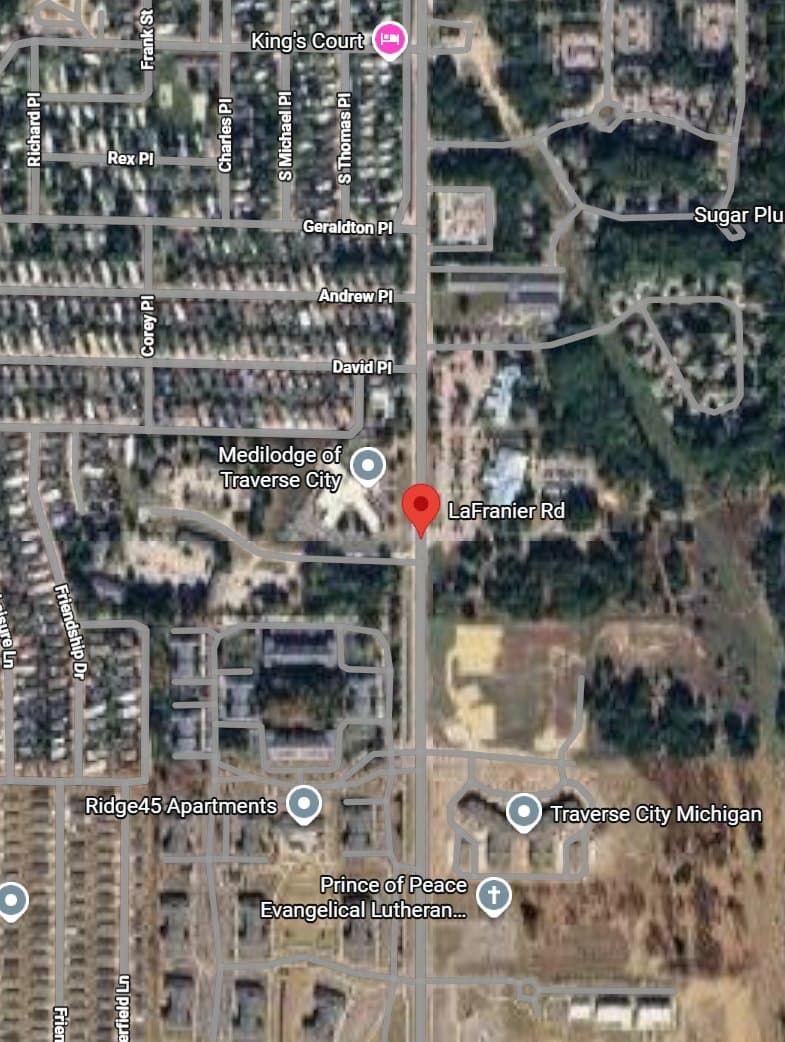
Garfield Township workforce housing plan faces county income cap dispute
Garfield Township approved a workforce housing PILOT aimed at households up to 120% AMI, but county rules could shut out some of those same workers.

Households earning more than 100% of area median income but no more than 120% could qualify for Garfield Township’s new workforce housing PILOT, yet Grand Traverse County may not recognize them under its stricter cap. That gap could decide whether future projects in Garfield Township move ahead or stall under conflicting local standards.
The Garfield Township board adopted Ordinance No. 82 on May 26, setting up a service charge in lieu of taxes for dwelling units meant for workforce housing. The ordinance says a stable and predictable PILOT is essential to project feasibility, and its stated purpose is to encourage housing for households not greater than 120% of area median income. Township leaders had tabled the proposal at their Dec. 23, 2025 meeting for more information before forming an ad hoc committee that included Lapp, J. McManus, Korn, Planner Sych, Manager Chris Barsheff and Assessor Polly Cairns.
Grand Traverse County has moved in the opposite direction. Its TIF/PILOT/Brownfield Ad Hoc Committee, created on March 19, 2025, met five times during the year and identified income limits, rent limits, short-term rental restrictions, water and sewer infrastructure, prioritization of single-family homes over rentals and early notification as major policy issues. On Nov. 20, 2025, the committee approved a motion to amend the county’s Workforce Housing PILOT policy by cutting the income threshold to 100% of area median income and prohibiting short-term rentals.
That standard now appears in county administrative guidance. A checklist for rental housing projects involving TIF or PILOTs requires at least 20% of units to be rented to households below 100% AMI, bans short-term rentals and imposes a 10-year restriction period. For developers seeking approvals from both governments, the difference between 100% and 120% is more than a technicality. It changes which households can live in the units and whether a project is judged eligible as workforce housing.
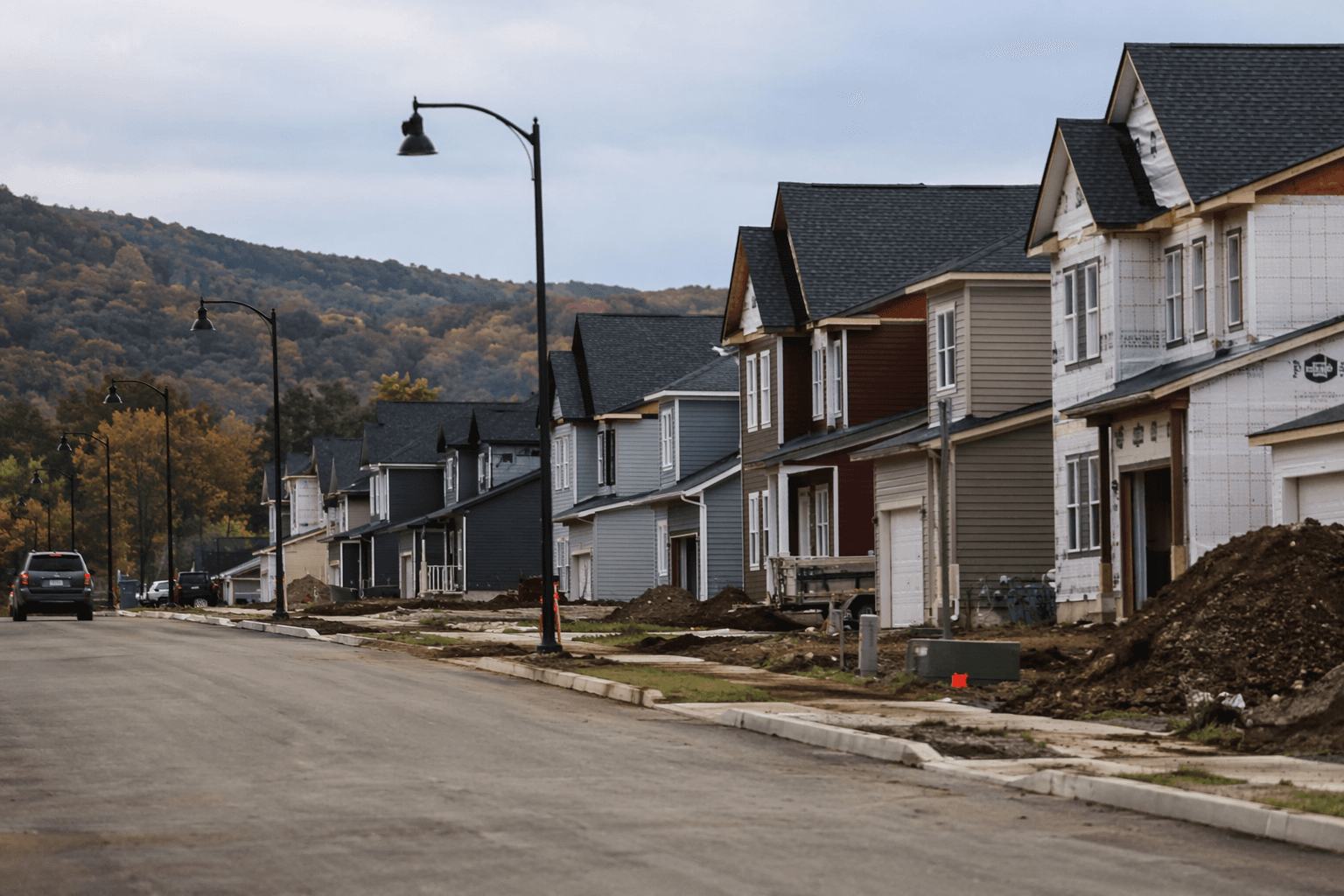
The dispute lands in a county where housing has already become a labor issue. In January 2024, a county commissioner said firefighters were driving two hours to work in Grand Traverse County because they could not find housing nearby. The county also has already backed workforce housing before, including Corners Crossing, a 192-unit development in Blair Township that received a $1.5 million award at the end of 2022 and a township PILOT.
Traverse City’s existing PILOT-backed projects show how varied local housing deals can be. Ruth Park uses a 6% PILOT and serves households earning 30% to 80% of AMI. Annika Place also uses a 6% PILOT, with most units aimed at 70% to 80% AMI households. The city also approved a 35-year PILOT for 16 units at 414 East Eighth Street.
Garfield Township, the largest municipality in Northern Lower Michigan, had 19,499 residents in the 2020 census and an estimated 19,698 in 2025. Grand Traverse County had 95,238 residents in 2020. In a region where housing costs shape hiring, commuting and who can stay in the community, the fight over 100% versus 120% AMI will determine who workforce housing is actually built for, and how fast it can get built at all.
This article was produced by Prism’s automated news system from verified source data, official records, and press releases, then run through automated quality and moderation checks before publishing. The system is built and supervised by the people who set the standards it runs under. Read our full AI policy.
Did this article answer your question?