Grand Traverse County backs modest new development department
Grand Traverse County is starting a two-person development department to coordinate housing, infrastructure and growth without taking over local zoning.
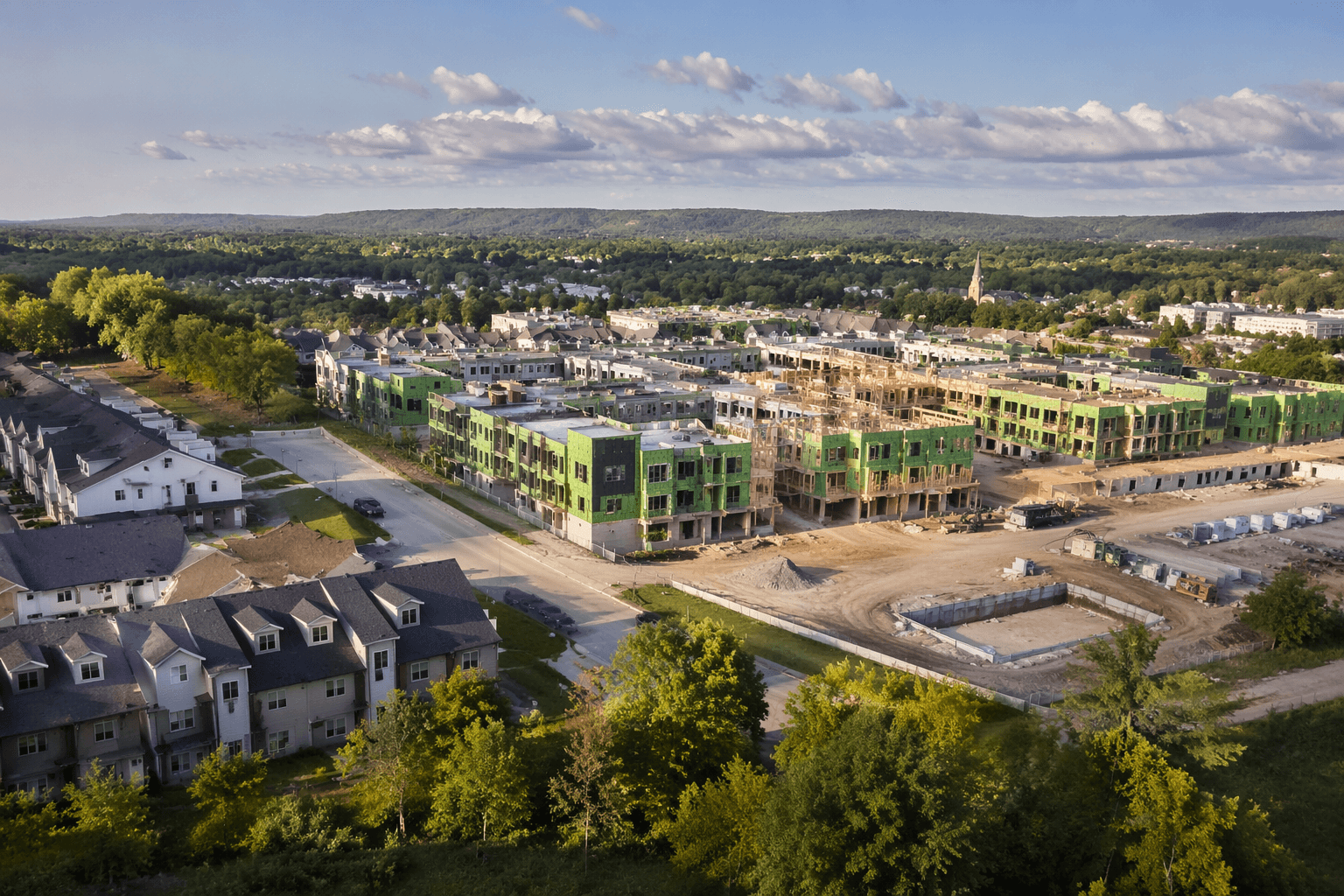
Grand Traverse County is betting a two-person community development department can help untangle housing pressure, infrastructure gaps and economic development needs without stripping townships or cities of their zoning power. Commissioners want the effort to start small, with coordination and planning support first, so taxpayers can judge whether a modest county role is producing real results before it grows.
The department was built into the county’s 2026 budget, which totaled $110.7 million in all funds and nearly $56 million in the general fund. County Administrator Nate Alger said the new employees would build on work already being done by Community Development Coordinator Maxwell Cameron, extending a county effort that has been moving away from ad hoc growth management and toward a more formal regional role.
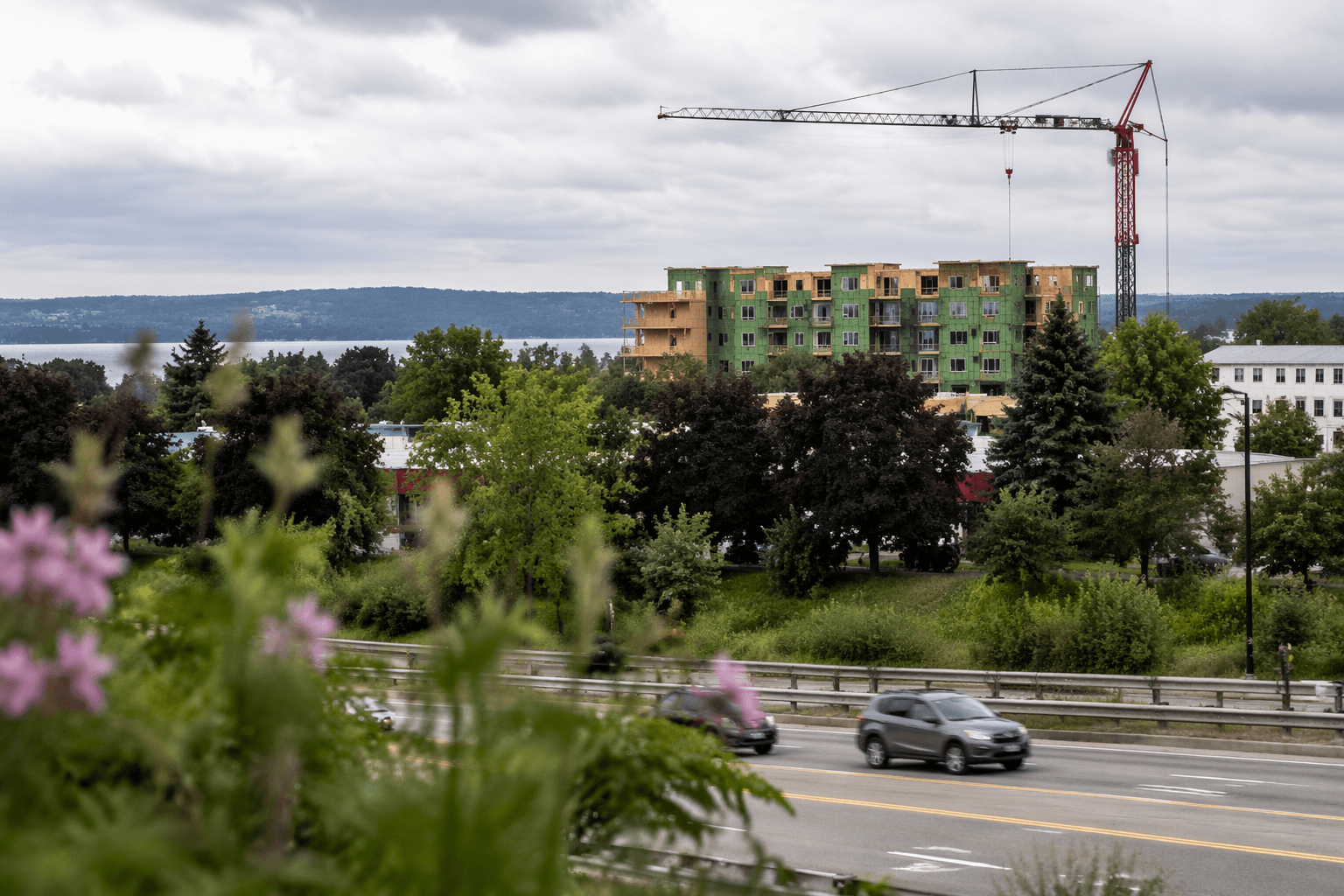
That distinction matters in Grand Traverse County, where local governments guard land-use authority closely. The county’s own planning materials say the work is meant to include meetings with stakeholders and partner organizations about planning and zoning, workforce development, infrastructure capacity and economic development, along with a forum for feedback on housing and community-development issues. Support for the idea came from 22 stakeholders who wanted the county to coordinate regional projects, not control local zoning.
Commissioners have been inching in that direction for years. In 2018, the county disbanded its planning department and planning commission, leaving a gap that officials now say they want to fill with stronger county leadership in regional planning. In 2023, commissioners also backed creation of an inter-municipality committee as part of the push to establish a metropolitan planning organization for regional transportation projects, another sign that county leaders have been looking for ways to coordinate across township and city lines.
The county’s development role has already shown up in smaller, practical steps. Grand Traverse County and Housing North backed an $88,000 zoning atlas project, with the Grand Traverse County Economic Development Corporation contributing $40,000, and the atlas was later unveiled as an interactive guide to local zoning regulations. On Feb. 6, 2026, commissioners approved housing initiatives that included a new checklist for developers seeking tax breaks for workforce housing.
Taken together, those moves show a county trying to become a convener rather than a controller. The new department may begin with a narrow mandate, but if it helps townships, developers, employers and county departments move through housing and infrastructure decisions more efficiently, it could become one of the county’s most consequential tools for managing growth.
This article was produced by Prism’s automated news system from verified source data, official records, and press releases, then run through automated quality and moderation checks before publishing. The system is built and supervised by the people who set the standards it runs under. Read our full AI policy.
Did this article answer your question?