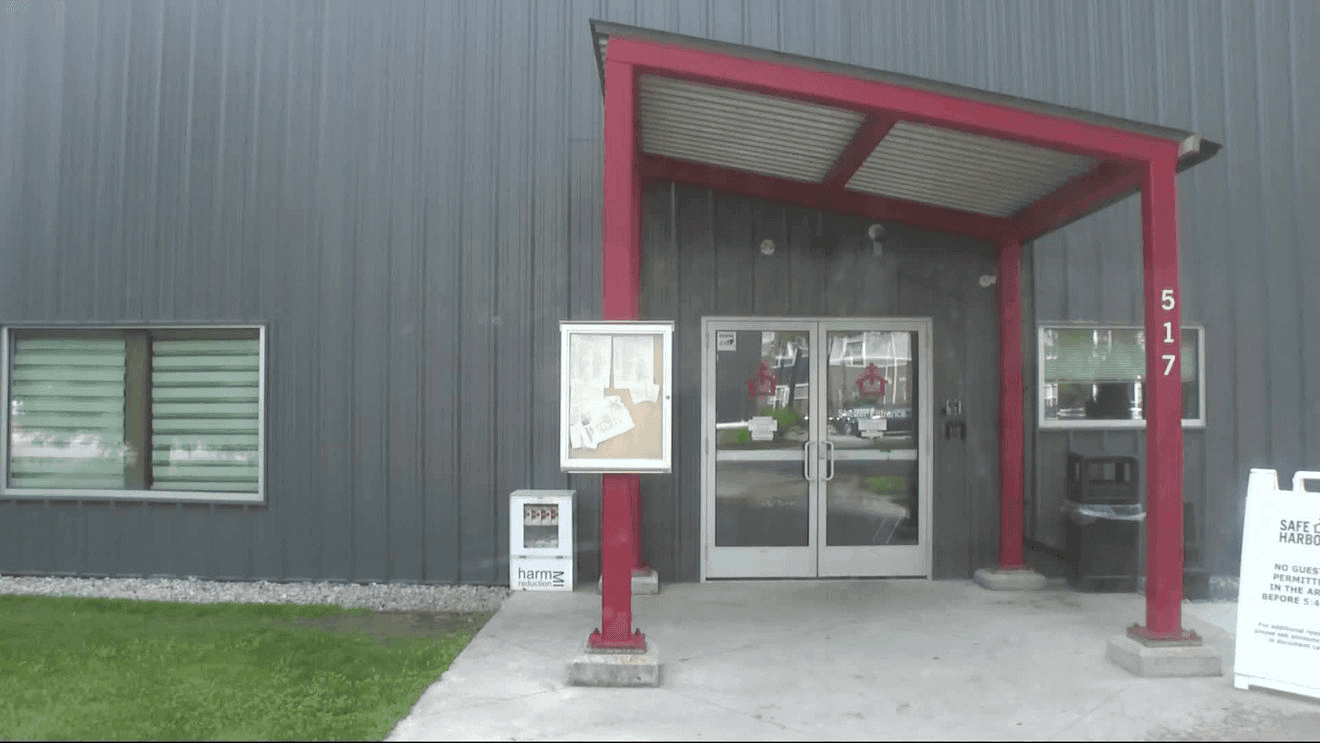
Grand Traverse County children placed in Missouri facility amid abuse claims
Three Grand Traverse County children were sent to a Missouri facility later hit by abuse lawsuits, as Michigan’s youth treatment bed supply fell to 398.
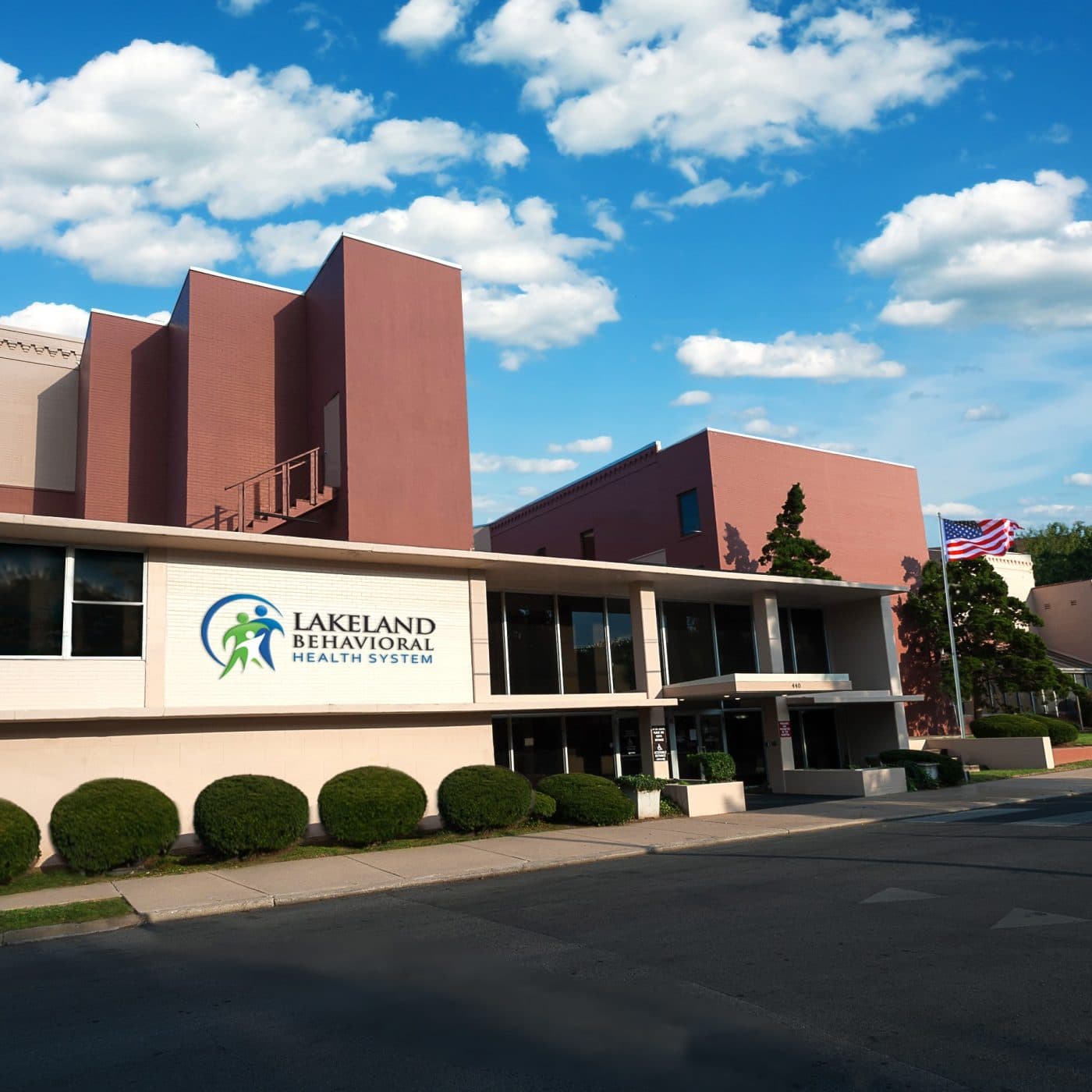
Three Grand Traverse County children were placed in Lakeland Behavioral Health System in Springfield, Missouri, in 2025, sending vulnerable kids far from home and into a facility now facing a documented abuse history. The placements have sharpened the question of how county and state officials signed off on out-of-state treatment when the facility later became the subject of multiple child sexual abuse lawsuits.
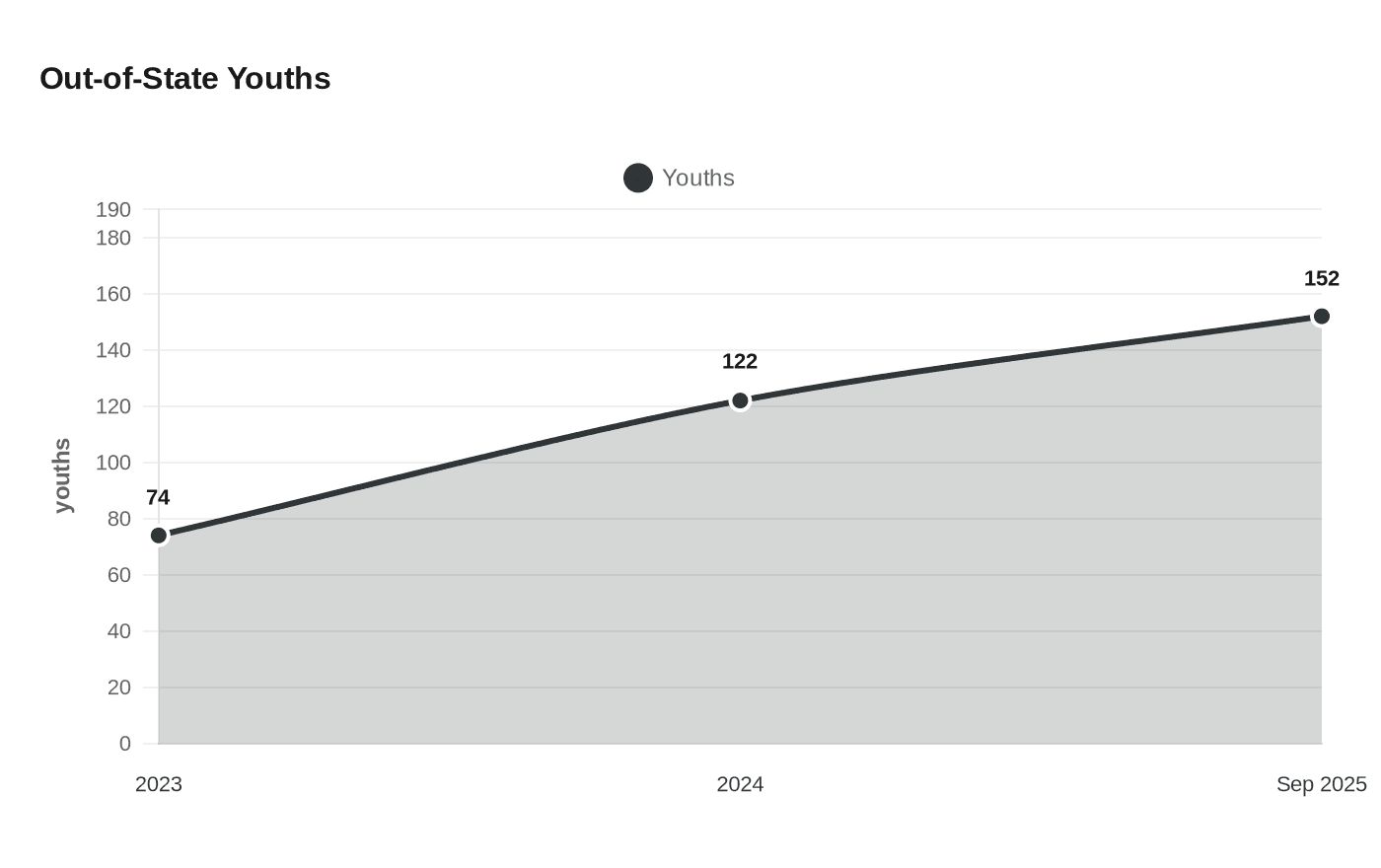
The decisions unfolded during a severe shortage of youth residential treatment beds in Michigan. State and local reporting says the number of child-caring institution beds dropped from about 1,200 in October 2020 to 398 by 2026, leaving counties with fewer options close to home. Michigan data cited in local coverage show 152 youths were living in out-of-state facilities as of September 2025, up from 122 in 2024 and 74 in 2023. One local report said five of those youths came from Grand Traverse County.
The financial cost has also been steep. Local coverage based on state data said Michigan spent more than $13 million last year on out-of-state youth mental health placements, with counties initially covering the bills before state reimbursement. For Grand Traverse County, that means more than just a line item. It means children may be living hundreds of miles away while families, caseworkers, and taxpayers absorb the fallout of a system with too few safe beds.
Lakeland’s own record has become part of the controversy. In May 2025, reporting said at least three civil lawsuits with 32 plaintiffs alleged child sexual abuse by employees at the Springfield facility. A lawsuit filed May 7, 2025, named Lakeland Behavioral Health, its parent company Acadia Healthcare, and several executives. That complaint alleged employees used injections referred to as “booty darts” and said residents were vulnerable because they could not leave voluntarily.
Michigan lawmakers have blamed closures, safety concerns, and restraint and seclusion policies for shrinking the state’s treatment capacity. The Michigan Department of Health and Human Services says its Specialized Placement Division handles residential and shelter placement functions for children in foster care and addresses systemic residential-treatment problems. The Grand Traverse County Prosecutor’s Office says neglect and abuse cases are meant to secure safe, healthy permanent placements for children who cannot protect themselves.
The Lakeland placements now stand as a test of whether Michigan can keep troubled children safe without sending them into facilities with their own history of harm.
This article was produced by Prism’s automated news system from verified source data, official records, and press releases, then run through automated quality and moderation checks before publishing. The system is built and supervised by the people who set the standards it runs under. Read our full AI policy.
Did this article answer your question?