Grand Traverse County Flock cameras spark privacy, public safety debate
Grand Traverse County’s 28 Flock cameras scanned more than 340,000 vehicles in 30 days, fueling 1,400 hotlist hits and a sharper privacy fight.

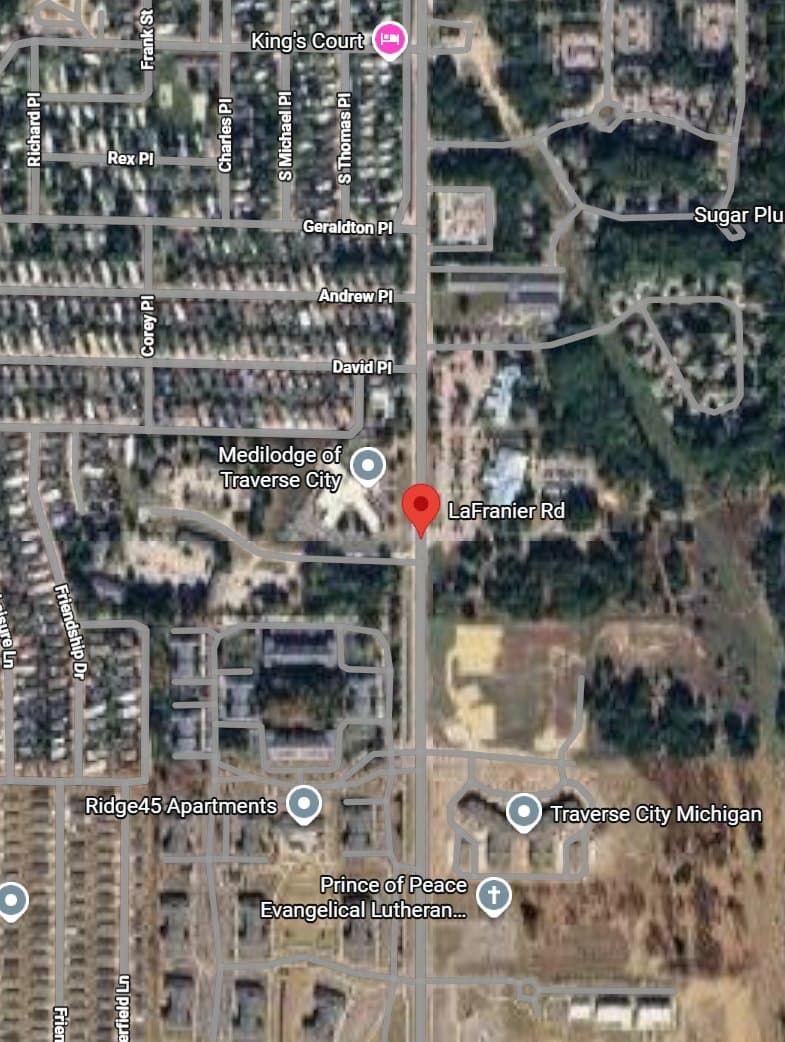
Grand Traverse County’s network of Flock license plate cameras has turned into a live test of how much surveillance residents will tolerate for the promise of faster investigations. In the last 30 days, the county’s 28 cameras detected more than 340,000 vehicles and generated about 1,400 hotlist hits, putting concrete numbers behind a debate that now reaches from Traverse City to the rest of the county.
The Grand Traverse Sheriff’s Office has said the system gives deputies a tool for recovering stolen vehicles and finding cars tied to crimes. Supporters view that as a practical gain for public safety, especially in a county where a stolen plate or vehicle can move quickly across township lines and onto regional roads. Critics say the same system creates an automated record of everyday travel that many residents never realized was being built.
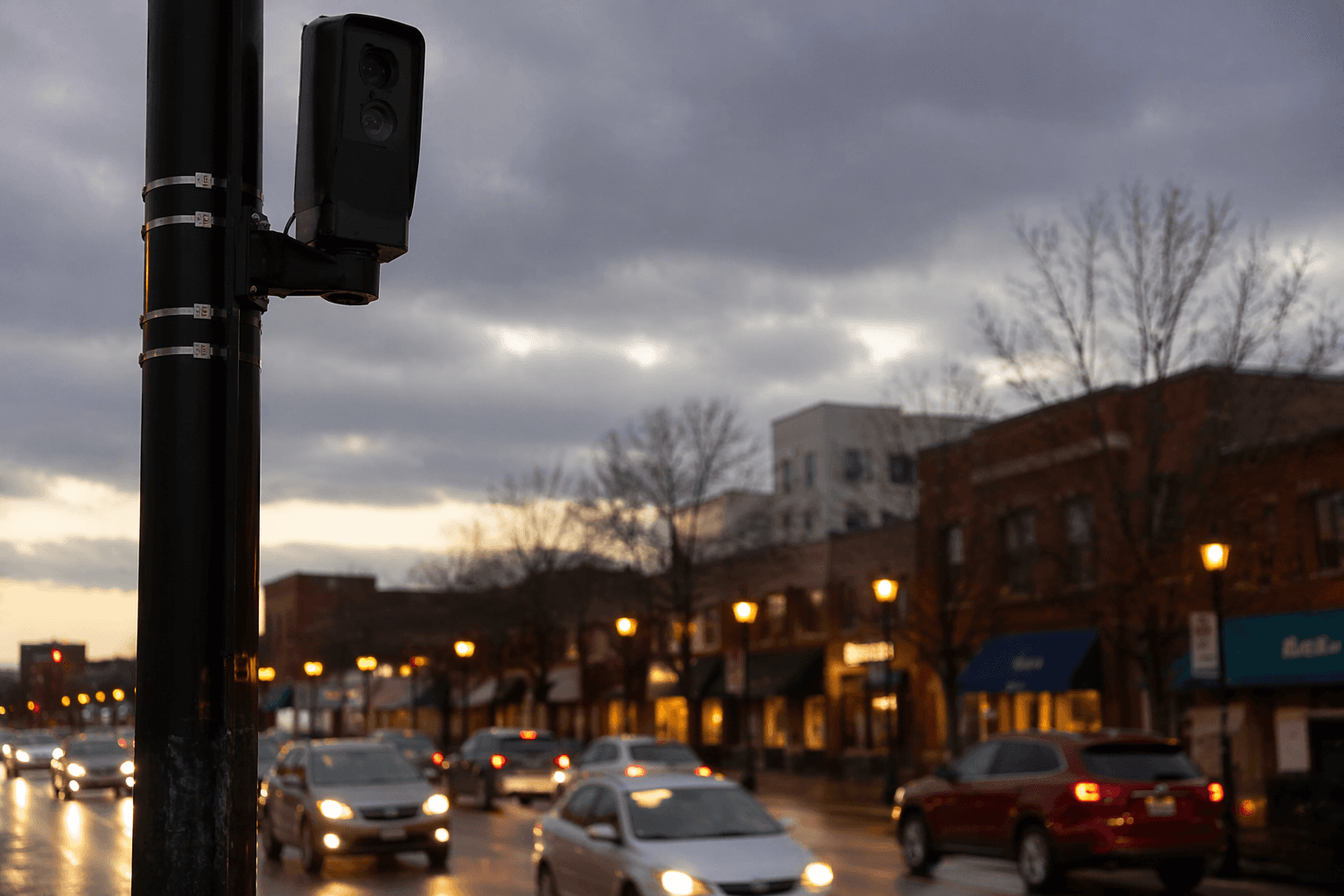
Flock Safety says its license plate readers collect license plate images, vehicle characteristics, date and time stamps, and camera location. The company says the system does not collect biometric data, facial recognition data, or driver information. It also says data is deleted after 30 calendar days by default unless a local customer agreement says otherwise.
Access to the system is not open-ended, but it is broad enough to raise oversight questions. Flock says every search is logged and tied to a specific user for auditing, including the username, date, time, purpose of the query, and the plate information used. Michigan’s Law Enforcement Information Network, or LEIN, also has an automated license plate reader file available to authorized user agencies in the state, which places Grand Traverse County’s use within a larger law-enforcement database network.
The state is moving in the same direction. In May 2025, the Michigan Department of Technology, Management & Budget recommended awarding a license-plate-reader contract to Flock Safety for up to $2,626,000, pending State Administrative Board approval. In 2026, Michigan lawmakers introduced legislation to regulate automatic license plate reader systems and the plate data they capture, a sign that privacy and retention concerns have reached Lansing as well as county government.
For Grand Traverse County, the issue is no longer theoretical. The question is whether a system that can flag suspicious vehicles and help solve crimes is worth the steady collection of travel data on hundreds of thousands of cars each month. As the cameras keep scanning, county residents are left to judge the tradeoff in the most local terms possible: how much safety, how much tracking, and who gets to decide.
This article was produced by Prism’s automated news system from verified source data, official records, and press releases, then run through automated quality and moderation checks before publishing. The system is built and supervised by the people who set the standards it runs under. Read our full AI policy.
Did this article answer your question?