Grand Traverse County Has Yet to Spend Opioid Settlement Funds, Advocates Frustrated
Grand Traverse County's $2 million opioid settlement has sat unspent for three years as overdose deaths topped 1,900 statewide in 2024.
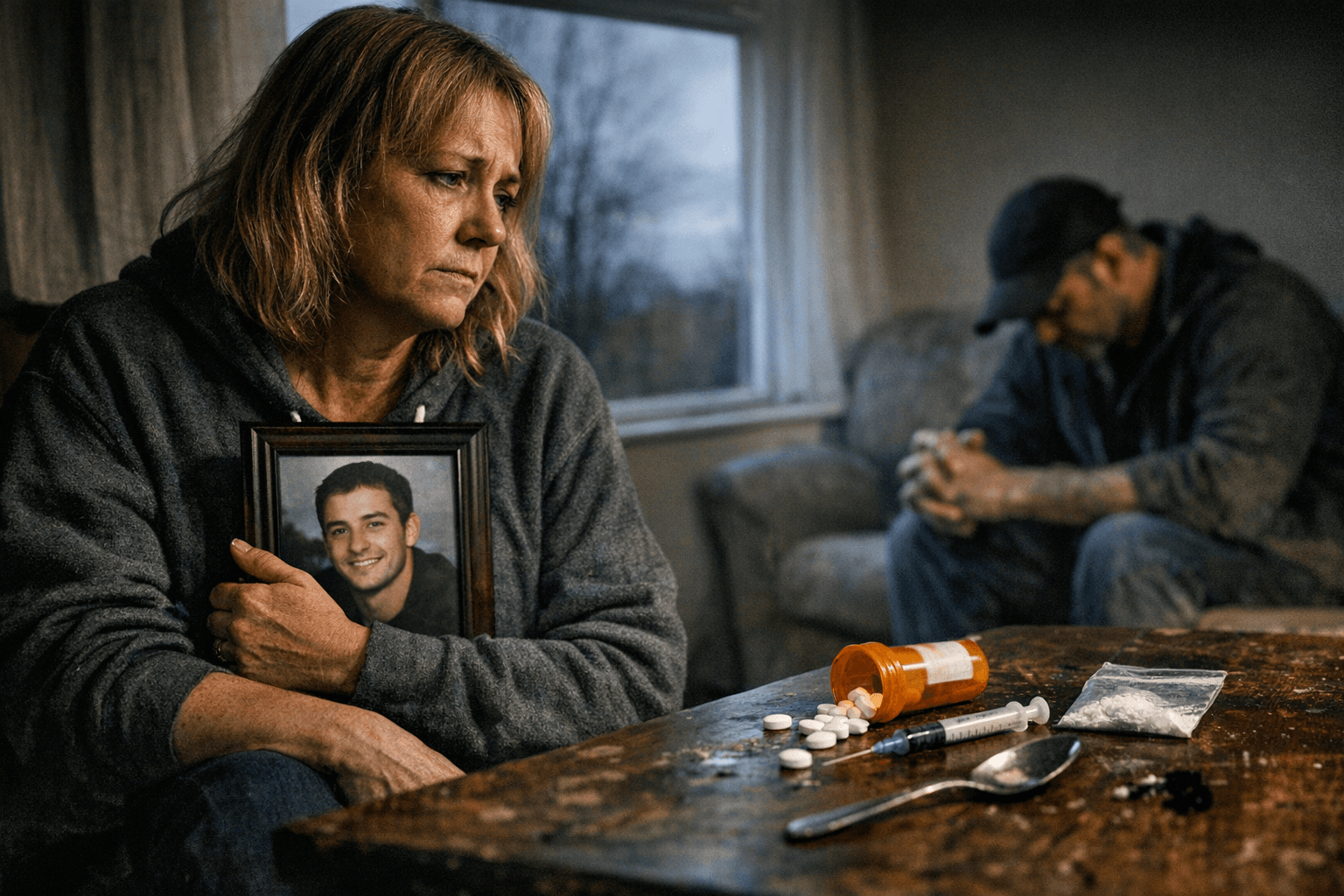
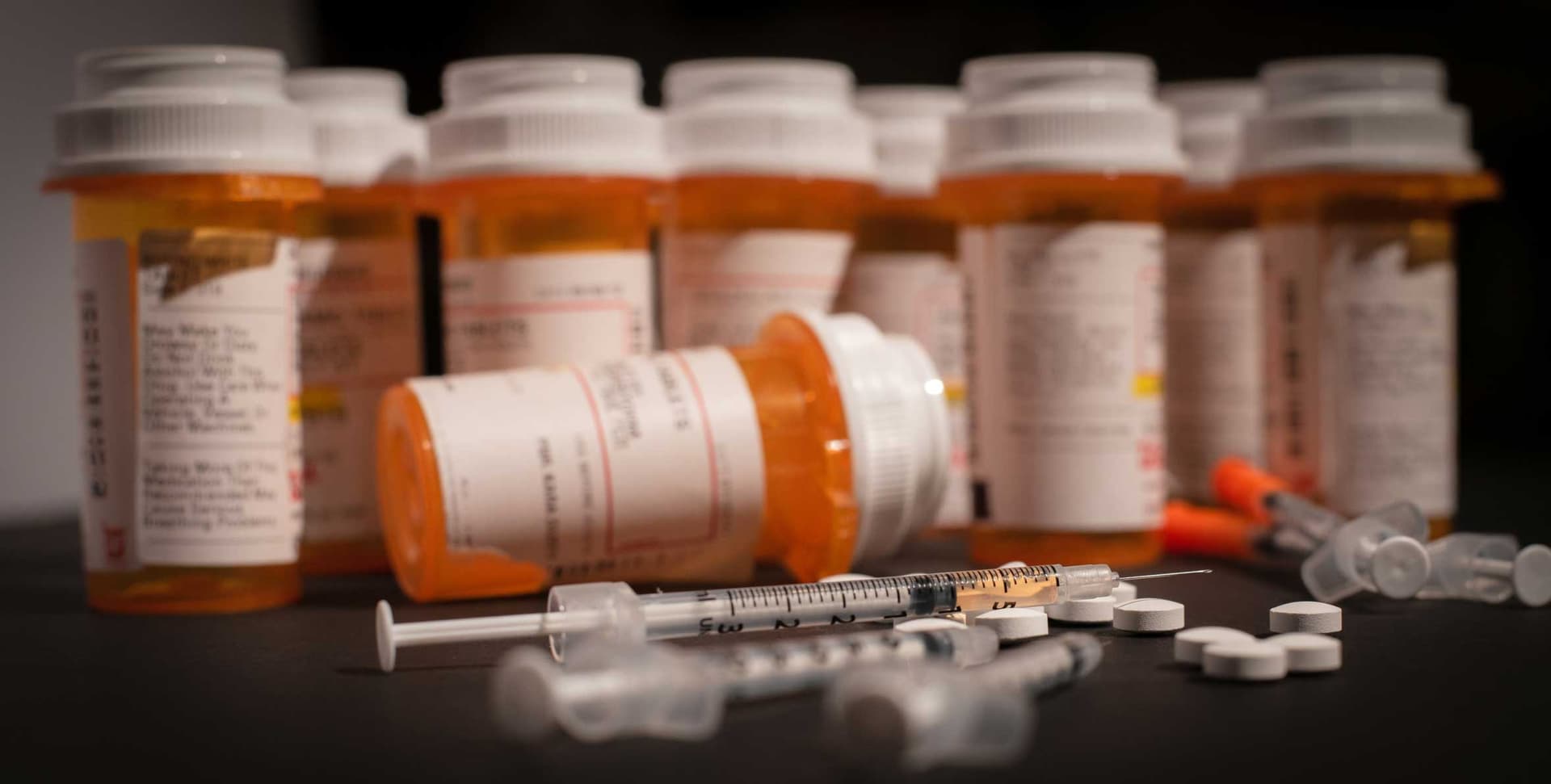
Drug overdoses killed 1,938 Michiganders in 2024, surpassing the state's traffic fatality count. Grand Traverse County's $2 million opioid settlement share sat untouched through all of it, not a cent directed to treatment, naloxone, or housing for people in recovery.
The county is slated to receive approximately $6.2 million in total from the national settlement with opioid manufacturers, distributors, and pharmacies, money that began arriving in January 2023. Three years later, the account remains intact. A failed first attempt to build a spending plan stalled the process, County Health Officer Mike Lahey acknowledged. A task force has since been formed and a new framework is in place.
"I think some localities, while appreciating the funds, were like, 'Now what?'" Lahey said. "It was a new source of money with new types of parameters around it." He set May as his target for releasing a first round of requests for proposals to community groups, the first concrete public deadline the county has offered.
For Pam Lynch, director of Traverse City-based Harm Reduction Michigan, that timeline is long overdue. "It's been a very frustrating process for people who have been doing effective work for a long time," Lynch said.
The frustration extends beyond Grand Traverse. A 2024 investigation found more than 40 percent of Michigan communities had not spent any of their settlement allocations, with roughly $90 million sitting idle in local bank accounts. The Michigan Association of Counties reached similar findings in a spring 2025 survey.
Jonathan Stoltman of the Grand Rapids-based Opioid Policy Institute did not mince words. "If there was some deliberative process that took three years, that's too long," he said. "Money needs to get out the door."
What that money could accomplish is not abstract. Since 2023, Michigan has deployed $14.8 million in settlement funds to purchase 424,882 naloxone kits, a statewide effort credited with helping drive a decline of nearly 1,000 overdose deaths between 2023 and 2024. Cara Poland, chair of the Michigan Opioid Advisory Commission, framed the stakes plainly: "When someone uses naloxone, they may be reachable for treatment. You don't have a chance for recovery when someone overdoses and dies."
Settlement rules permit Grand Traverse's $6.2 million to fund a defined set of evidence-based interventions: peer recovery coaching, naloxone distribution, expanded treatment capacity, jail reentry support, and transitional housing for people with substance use disorder. Each of those services has a local provider waiting to scale.
Michigan is set to receive at least $1.6 billion over 18 years from the multi-defendant settlement. The state keeps half; the remainder was divided among counties, townships, and cities. The state Attorney General's office is expected to publish a comprehensive accounting of how localities are managing their allocations this spring, an accountability measure advocates hope will push slower-moving counties to act.
For Lahey and Grand Traverse County, May will be the first test of whether the county's revised spending framework finally puts money in the hands of providers serving residents deepest in the crisis.
This article was produced by Prism’s automated news system from verified source data, official records, and press releases, then run through automated quality and moderation checks before publishing. The system is built and supervised by the people who set the standards it runs under. Read our full AI policy.
Did this article answer your question?