Grand Traverse County launches housing study to guide new homes
Grand Traverse County moved a housing study into high gear, with a September deadline and an 11,361-unit gap hanging over decisions on where growth can go.
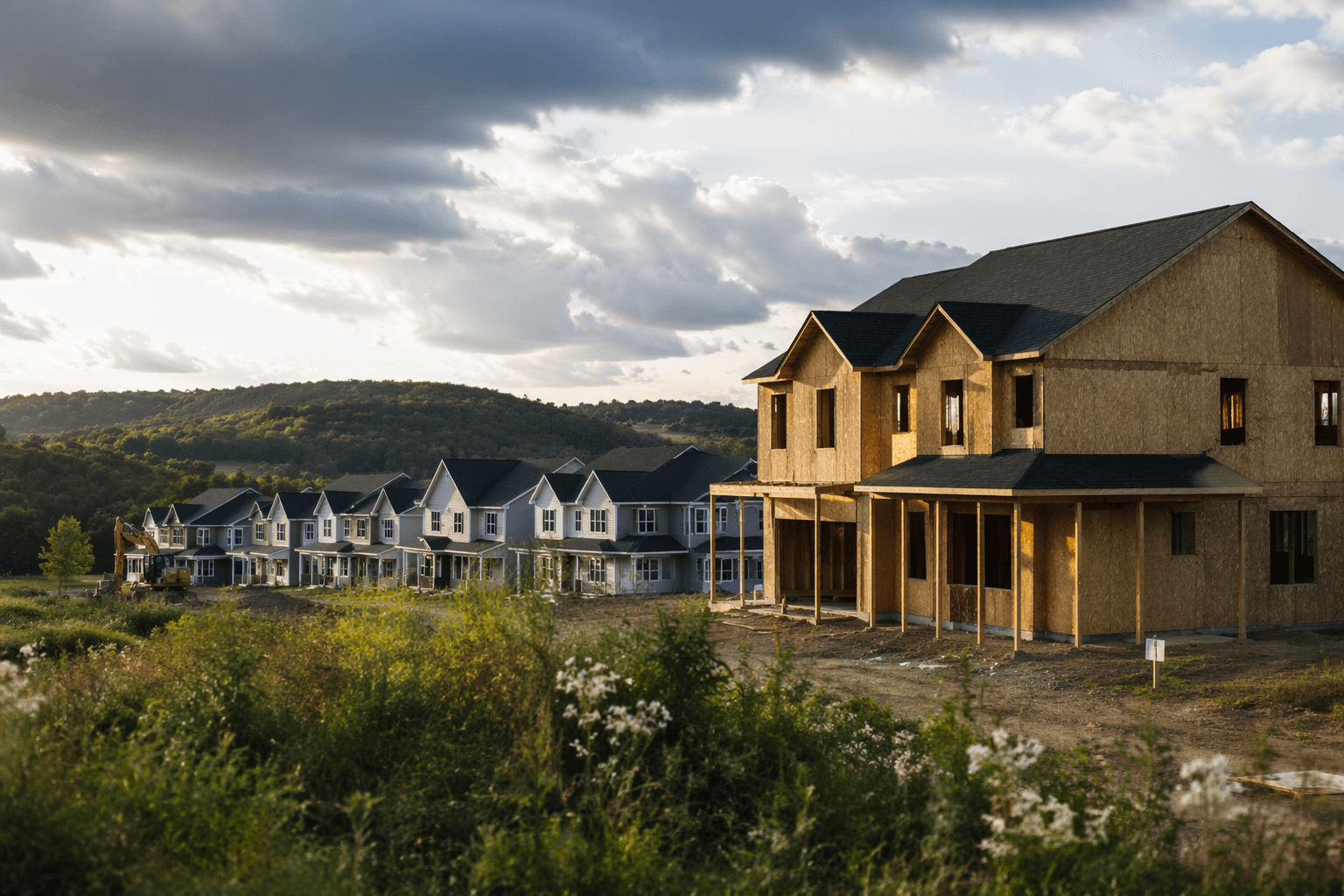
Grand Traverse County put a fast-moving housing study in motion with one central question: where can new homes realistically be built, and what is standing in the way? Commissioners met June 10 with CommunityScale, the firm hired to examine housing demand, development barriers and the county’s incentive programs, and the first recommendations are due in September.
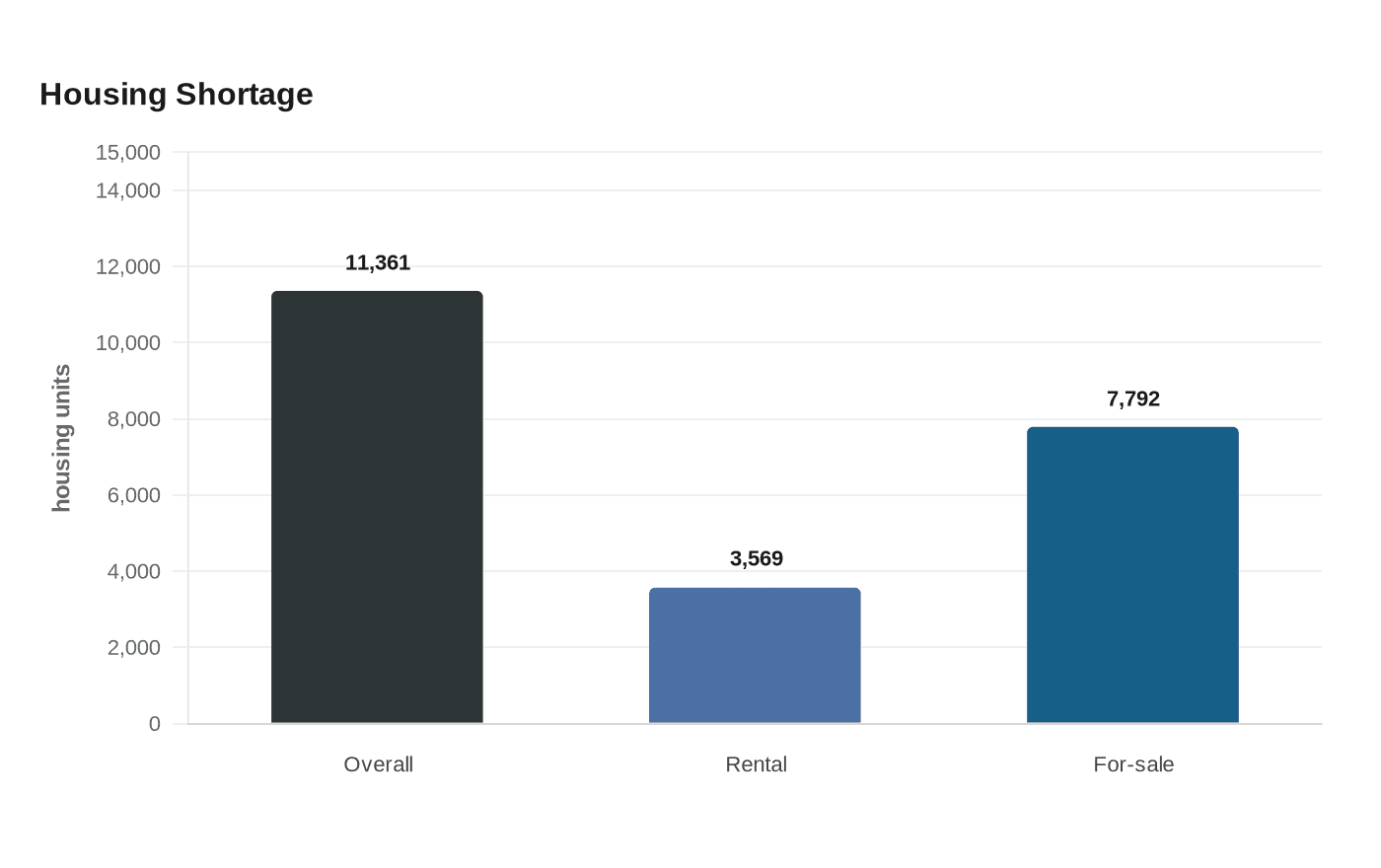
The timing reflects the pressure already building across the county. A 2023 Housing North and Bowen National Research assessment estimated Grand Traverse County was short 11,361 housing units overall, including 3,569 rental homes and 7,792 for-sale residences. That same report said the county’s for-sale housing availability rate was just 0.4 percent, the median list price was $465,450 and 1,496 households were on the housing-choice-voucher wait list.
The county board’s June 10 session was not a routine update. The Board of Commissioners had converted a scheduled study session into a special meeting after motions at the June 3 regular meeting, underscoring how quickly the issue has moved to the front of the county agenda. The new study is one of four housing-needs studies Grand Traverse County has undertaken over the past 20 years.
What makes this study different is the scope. It is not limited to counting units. It is meant to sort through why housing production has lagged, whether the biggest obstacles are policy, infrastructure or incentives, and which parts of the county can absorb growth without worsening congestion, utility strain or neighborhood disruption. The findings could shape future zoning fights, the county’s conversations with municipalities and the long-running debate over whether the region needs more subdivisions, more infill, more mixed-use projects or a combination of all three.

County officials already have some tools that may come under the microscope. The Grand Traverse County Brownfield Redevelopment Authority supports redevelopment of contaminated, blighted or obsolete sites. The Grand Traverse County Land Bank Authority uses tax-reverted properties and other resources for affordable housing and economic development. The county also operates a Property Assessed Clean Energy program and a tax-exempt revenue bond program. The study is likely to test which of those incentives actually move projects forward and which ones need to be sharpened.
The broader political backdrop is statewide. A 2024 University of Michigan and Michigan State Housing Development Authority report described Michigan’s housing crisis as a mix of supply, demand, quality, affordability and stability problems. In Grand Traverse County, those pressures are now being pushed into a short timetable, with commissioners expected to decide quickly whether the region’s next wave of housing can be guided by data before the market decides for them.
This article was produced by Prism’s automated news system from verified source data, official records, and press releases, then run through automated quality and moderation checks before publishing. The system is built and supervised by the people who set the standards it runs under. Read our full AI policy.
Did this article answer your question?