Interlochen State Park marks Michigan's first state park milestone
Michigan’s first state park still shapes Grand Traverse County through public lake access, camping demand and summer traffic tied to Interlochen’s arts campus.
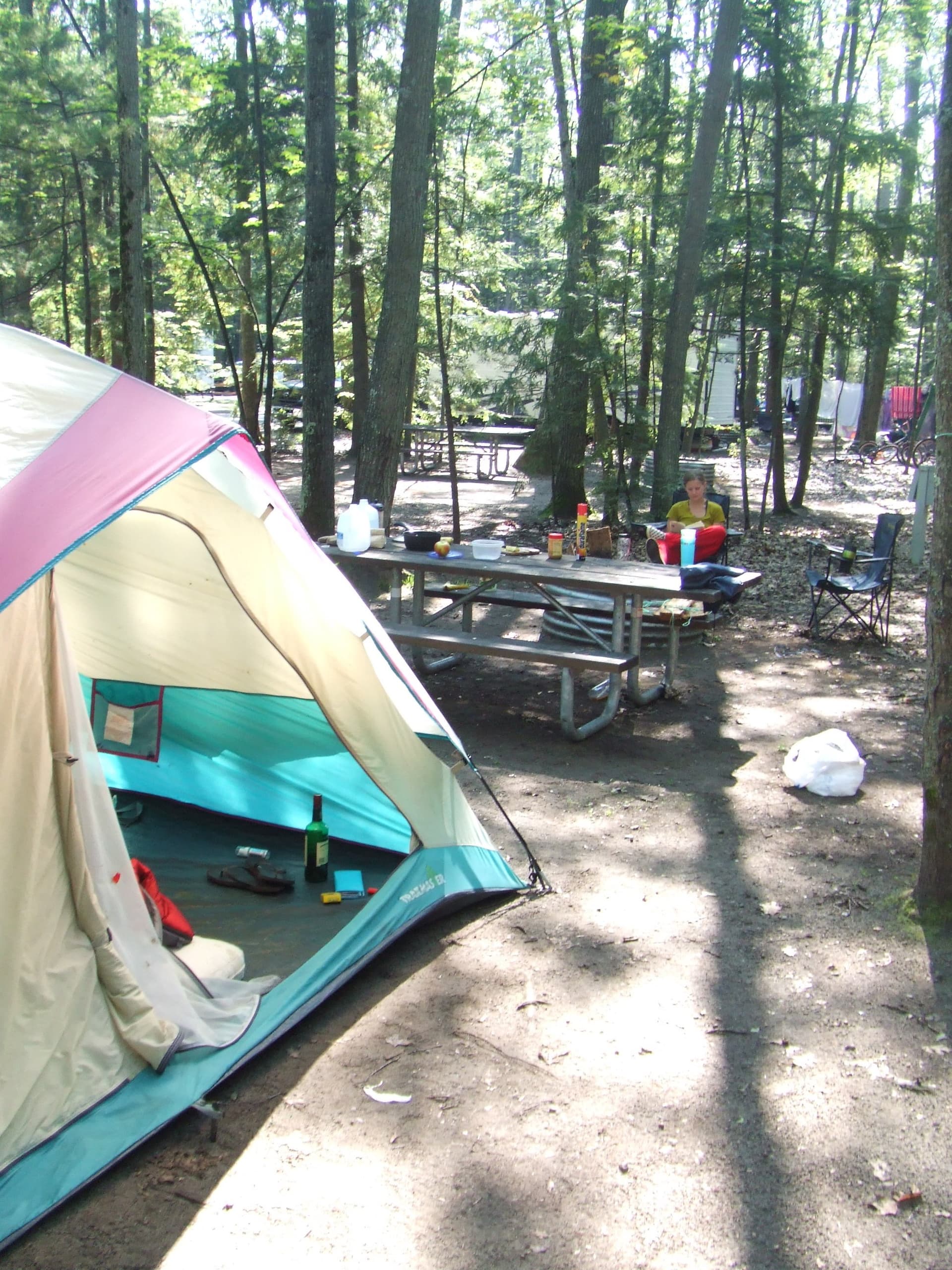
Interlochen State Park is not just a marker of Michigan history. In Grand Traverse County, it is a working public asset with waterfront access, 490 campsites, boat launches on two lakes and a steady stream of visitors who come for camping, paddling, beach time and the arts campus next door. Its first-state-park status matters today because it helps explain why this stretch of land between Duck Lake and Green Lake still draws people, and why it remains part of the county’s outdoor and tourism economy.
A park built to protect pines
The state acquired the land in 1917 and the Legislature established Interlochen as Michigan’s first state park in 1919. The original purchase price was $60,000, and the site was first known as Pine Park, a name that fit its purpose: preserving a virgin pine stand at a time when logging had already stripped much of the surrounding forest. Some of the old-growth red and white pine that justified that protection still remain.
That conservation story is what separates Interlochen from a simple campground. It sits about 15 miles southwest of Traverse City, in a corridor where forest, water and recreation now overlap with residential life and summer travel. The Michigan Department of Natural Resources also says the park was one of the state’s earliest park purchases and the first public park transferred under the Michigan State Park Commission’s auspices in 1920, which gives it a place not just in county history but in the state’s public-land system.
What visitors actually use now
Interlochen State Park covers 187 acres, but it is dense with uses. Park listings show 490 campsites, including 59 rustic sites, plus three cabins for rent. The modern and rustic campgrounds give it two different kinds of appeal: one for visitors who want full-service camping and another for people looking for a more stripped-down stay near the lakes.
The park map shows the practical pieces that shape a day there: a park store, beach, boat launch, picnic area, volleyball court, basketball court and baseball diamond. The state page also lists boating, paddling, fishing and swimming, along with a pavilion that can be reserved in advance and a concession area with rentals. An accessible kayak launch makes the shoreline more usable for a broader range of visitors, which is important in a park that is expected to serve both local day-trippers and out-of-town campers.
For anyone planning a summer or shoulder-season outing, the park’s value is in how many choices it offers in one place:
- Two-lake access for boating and paddling on Duck Lake and Green Lake
- Beach and swimming access for families and casual visitors
- Rustic and modern camping for different comfort levels
- Cabins for travelers who want a bed without leaving the park setting
- Courts, ballfield and picnic areas that make it a full-day stop, not just an overnight site
That mix helps explain why the park still matters to local businesses and traffic patterns. Campers need supplies, fuel, meals and extras, and day visitors moving between the park, the arts campus and Traverse City create seasonal demand across the county.
Why the arts campus changes the park’s role
The park’s northern edge sits next to the Interlochen Center for the Arts, and that adjacency gives the area a character you do not get at most state parks. The arts organization opened its inaugural National High School Orchestra Camp on June 24, 1928, with 115 students and 24 faculty. What began as National Music Camp later became Interlochen Arts Camp in 1991, and the campus expanded over time to include theatre, visual arts and dance by 1940, creative writing in 1976 and filmmaking in 2005.
The center says its campus covers about 1,200 acres between Duck Lake and Green Lake. It also notes that the Interlochen Arts Academy has produced 50 Presidential Scholars in the Arts, more than any other high school in the country. That matters locally because the park is not sitting beside a generic institution. It sits beside a major cultural destination that brings students, families, audiences and staff into the same lakeside landscape that campers use.
For Grand Traverse County, that combination is unusually efficient: a state park, a major arts campus and two lakes in the same pocket of land. Visitors can pair a campground stay with concerts, performances or campus events, then move back to the beach, trailheads and launch sites without leaving the area.
How to think about a visit now
Interlochen works well as a day trip, a camping base or a stop built around a performance schedule. The park’s strength is flexibility. A family can use the beach and picnic area for a short summer outing. A camper can choose a rustic site or a modern campsite with more amenities. Someone focused on water access can use the boat launches or the accessible kayak launch without committing to an overnight stay.
The park’s location also makes planning simpler. Because it is only about 15 miles southwest of Traverse City, it can fit into a broader county itinerary rather than requiring a separate trip. That convenience helps explain why a park founded to save pine trees still plays a live role in the region’s outdoor economy: it gives residents a public shoreline, it gives visitors a place to stay and it gives nearby businesses a seasonal flow of traffic tied to recreation and the arts.
Interlochen’s milestone status is historical, but its real significance in Grand Traverse County is practical. It remains a public front door to water, camping and culture, and that combination still shapes how people spend their time and money in this corner of the county.
This article was produced by Prism’s automated news system from verified source data, official records, and press releases, then run through automated quality and moderation checks before publishing. The system is built and supervised by the people who set the standards it runs under. Read our full AI policy.
Did this article answer your question?