Munson physician warns wildfire smoke is far worse than bad air days
Munson’s Dr. Joe Santangelo says wildfire smoke is far worse than a bad-air day, as Grand Traverse County sat in the red, unhealthy zone and events were canceled.
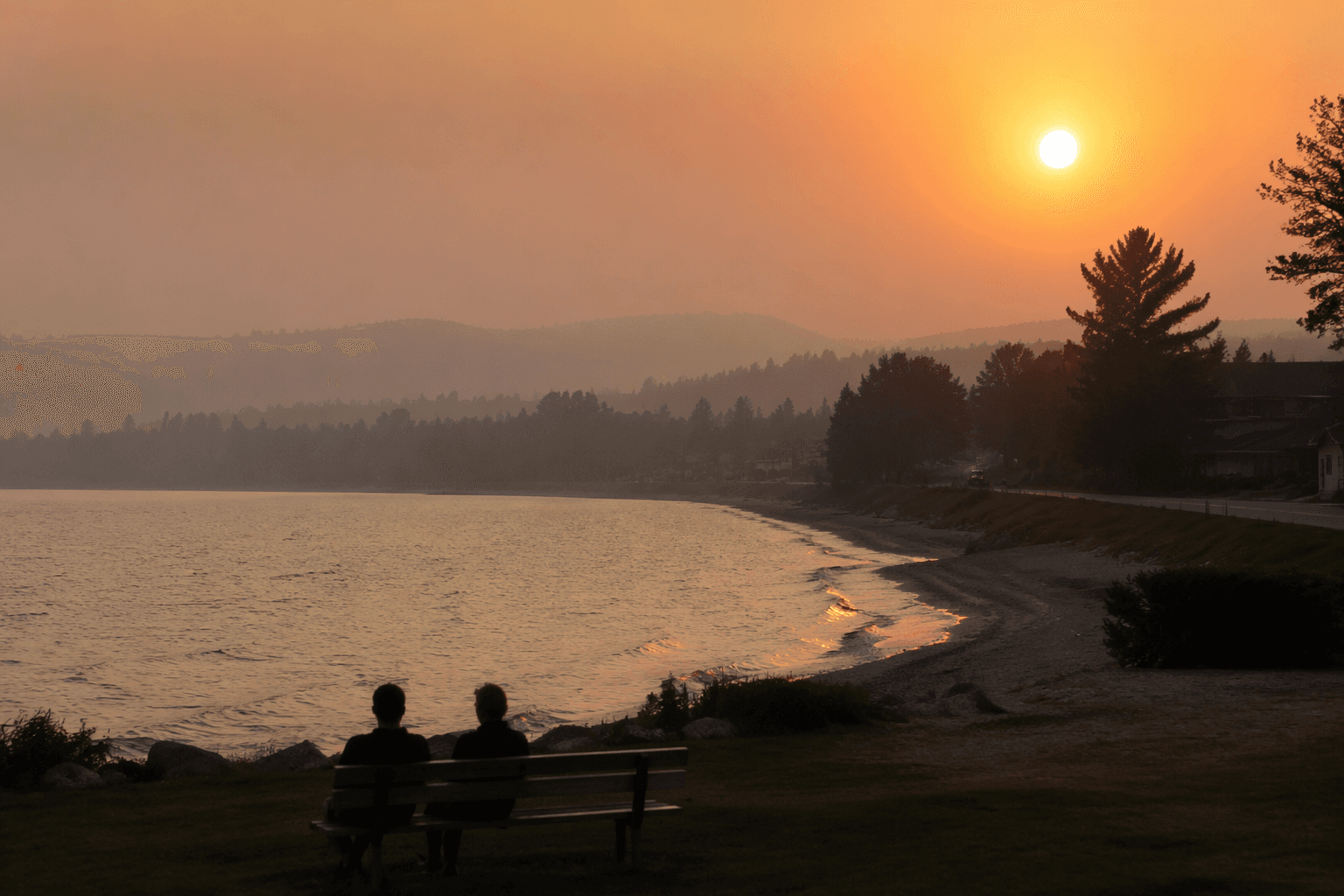
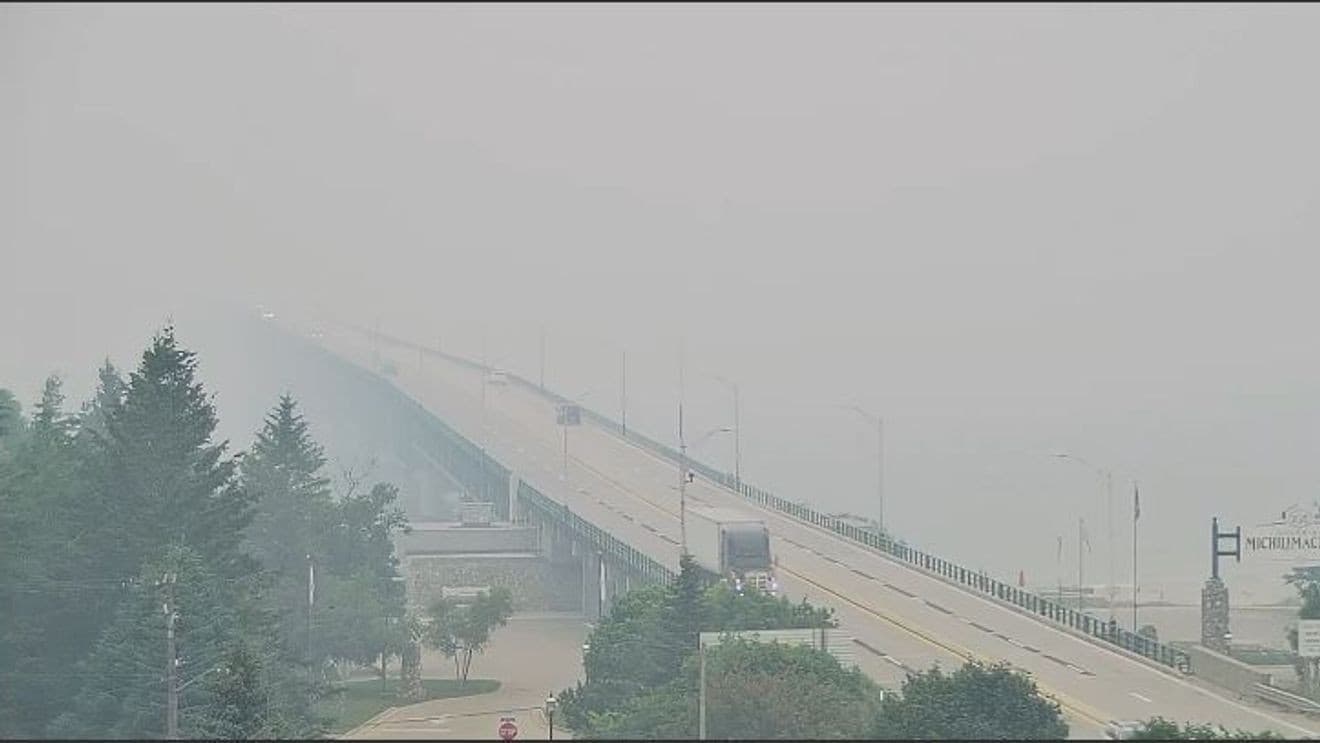
Grand Traverse County sat in the red, unhealthy air-quality zone as Munson Healthcare warned that smoke from Canadian wildfires would push Northern Michigan into unhealthy to very unhealthy conditions on July 15 and 16. The health system’s alert, titled Health Alert: Unhealthy Air Quality from Wildfire Smoke, came as smoke thick enough to darken the midday sky drove particulate readings near 1,000 and prompted event cancellations across the region.
Dr. Joe Santangelo, Munson Healthcare’s chief medical, quality and safety officer, is pressing residents to treat this as more than an ordinary bad-air day. The concern is PM2.5, the fine particulate pollution in wildfire smoke that can get deep into the lungs and aggravate asthma, bronchitis, chronic obstructive pulmonary disease, heart conditions and other respiratory or cardiovascular problems.
Michigan Department of Health and Human Services says wildfire smoke can cause irritated eyes, nose and throat, coughing, wheezing, chest tightness, shortness of breath and headaches. The highest-risk groups include people with heart or lung disease, children, older adults and pregnant people. The National Weather Service said people should avoid strenuous outdoor activity, especially if they have heart disease or respiratory disease such as asthma, and should watch for wheezing, coughing, chest tightness, dizziness, or burning in the nose, throat and eyes.
That warning lands hard in a county where summer work and recreation happen outside. Outdoor workers, hospitality staff, children at camps and ballfields, seniors and people with asthma are the residents most likely to feel the disruption first, especially when smoky air turns a normal shift, run or patio meal into a health risk. Munson’s guidance is to stay indoors when possible, keep windows closed and use HEPA filtration if available.
Michigan’s Department of Environment, Great Lakes, and Energy issued a statewide air quality alert for July 15 and 16, and the county health department said Grand Traverse County was in the red category, meaning unhealthy. Conditions like that can push more residents toward Munson Medical Center, urgent care and local emergency departments with cough, wheeze and breathing complaints, adding pressure just as people try to avoid unnecessary trips outside.
Smoke events have hit Northern Michigan before, but this one arrived with regional alerts, unhealthy readings and repeated warnings for even healthy residents to limit time outdoors. For Grand Traverse County, the immediate fallout is visible in canceled plans, quieter outdoor commerce and a higher-risk week for anyone whose lungs already have to work harder.
This article was produced by Prism’s automated news system from verified source data, official records, and press releases, then run through automated quality and moderation checks before publishing. The system is built and supervised by the people who set the standards it runs under. Read our full AI policy.
Did this article answer your question?