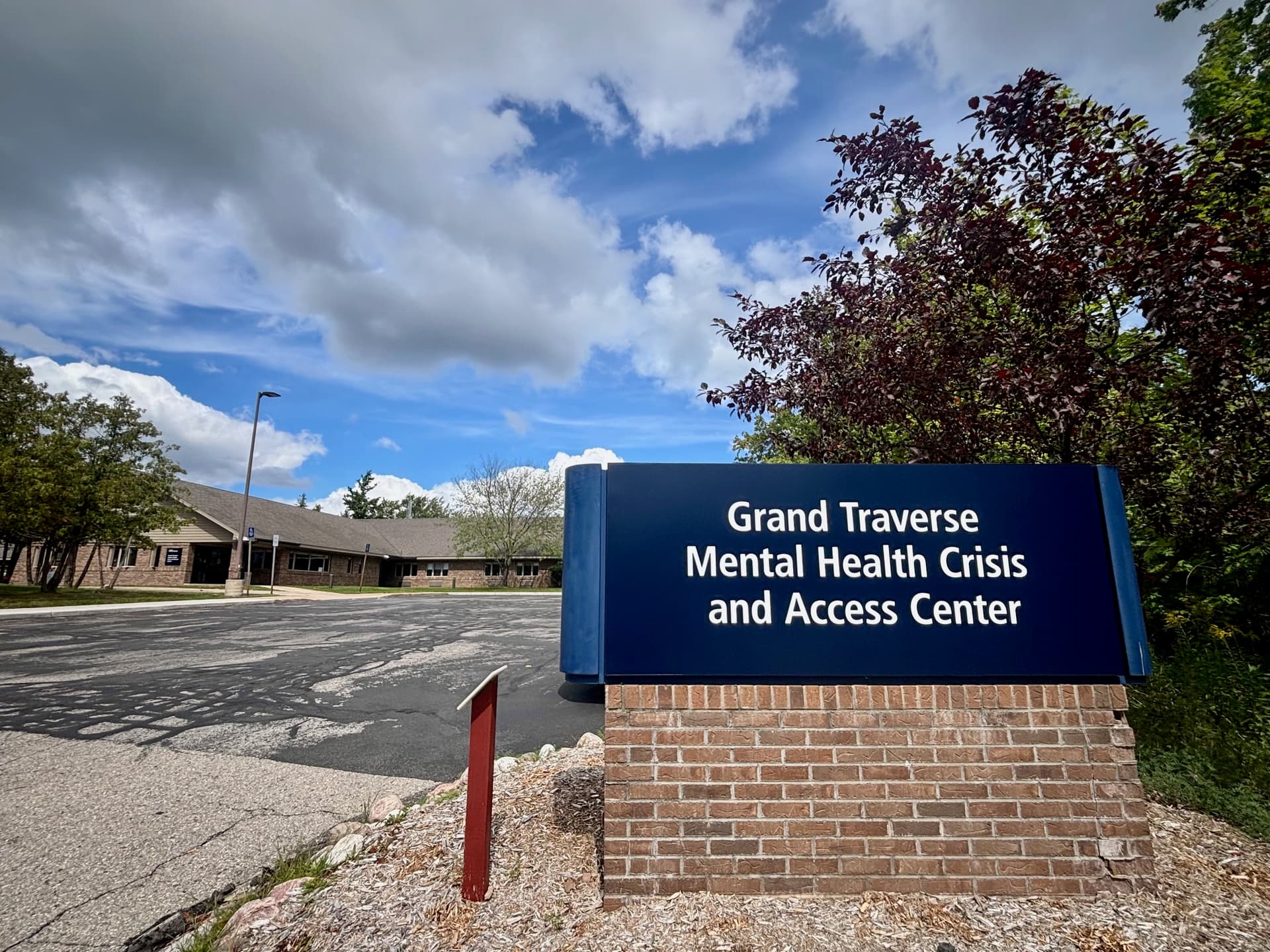
Munson warns Grand Traverse County residents about wildfire smoke risks
Smoke from Canada wildfires put Grand Traverse County on alert as Munson urged KN-95 masks, closed windows and extra caution for asthma and heart disease.

Wildfire smoke across Traverse City and Grand Traverse County prompted Munson Healthcare to flag a health threat beyond a hazy sky. Dr. Joe Santangelo, Munson’s chief medical quality and safety officer, warned that extended exposure can irritate the lungs and the heart, and urged residents not to assume they were safe just because the smoke was not strong enough to smell.
Michigan’s Department of Environment, Great Lakes, and Energy issued a statewide air quality alert on July 14, 2026, after smoke from ongoing wildfires in Canada pushed elevated fine particulate pollution into the state. The alert warned the event could last multiple days and could affect otherwise healthy people if pollution levels rose high enough. Residents should monitor the Air Quality Index, cut back on physical activity, and use a cooling center or other sheltered indoor space if they could not stay comfortable with windows closed.
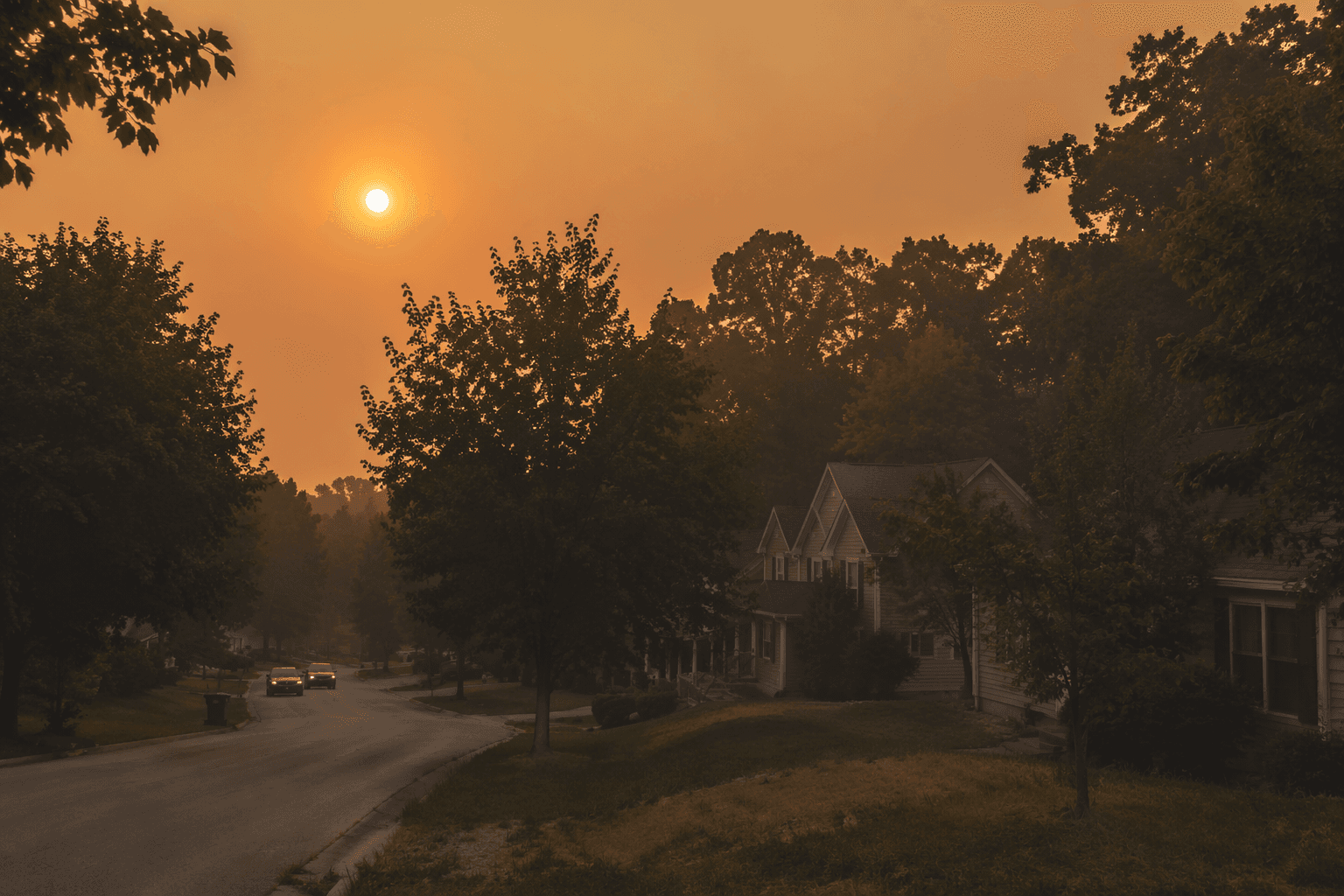
People with asthma, heart disease, lung disease, older adults, children, pregnant people and outdoor workers should be most concerned. Wildfire smoke is a mix of gases and fine particles, with particulate matter the main public-health threat. Exposure can cause wheezing, coughing and shortness of breath, and in more serious cases can trigger asthma attacks, worsen heart failure and contribute to premature death. Short-term exposure can range from irritation to asthma and heart-failure flareups.
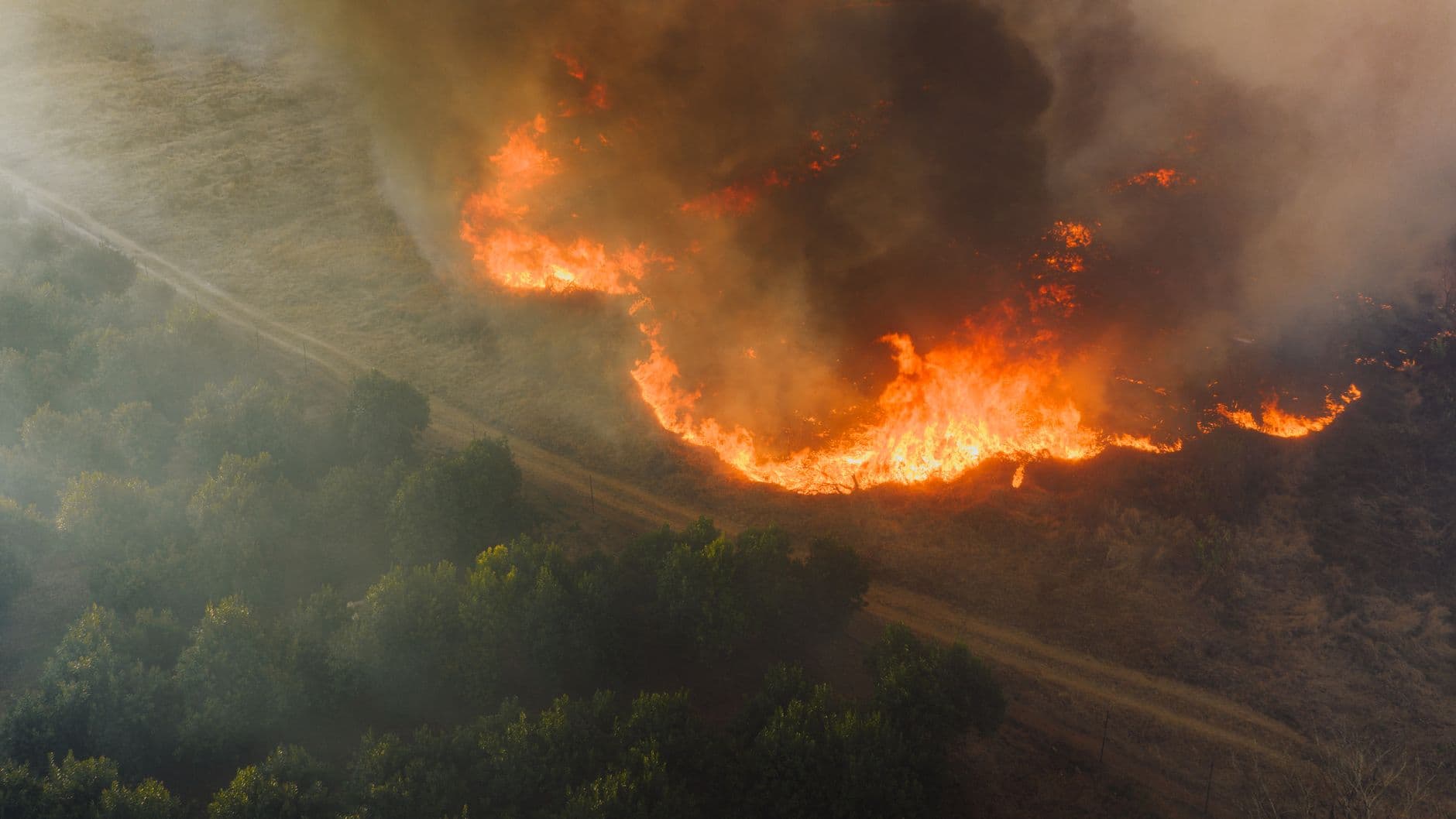
Santangelo’s advice for Grand Traverse County was practical: limit time outside, keep windows closed and wear a KN-95 mask when going outdoors. Heat and humidity make the problem worse, a concern in northern Michigan as temperatures climbed into the upper 80s and a heat advisory added to the stress on people already breathing smoky air. People with asthma should keep rescue medicine handy, while those with heart disease should watch for palpitations, shortness of breath or unusual fatigue.
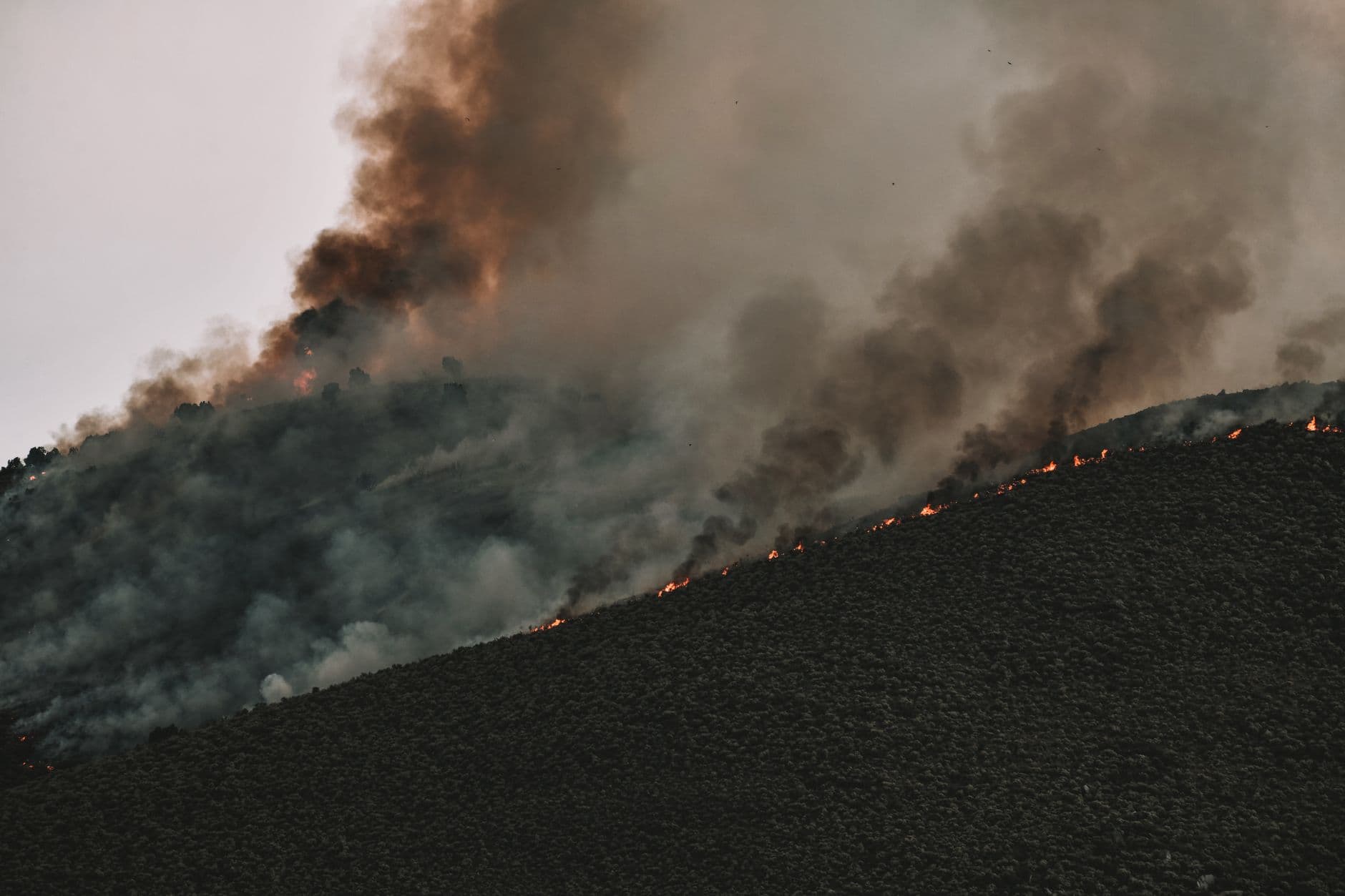
On June 27, 2023, orange to red air quality was expected to persist through the week in northern Michigan, and higher-risk residents were told to stay indoors and avoid exercise. In July 2023, Michigan emergency departments were seeing higher-than-average asthma visits and the state was seeing increased pediatric hospitalizations from asthma flareups. Unhealthy air quality was again driving increased emergency visits and pediatric hospitalizations. Residents with air-quality questions can call the state environmental health hotline at 800-648-6942.
This article was produced by Prism’s automated news system from verified source data, official records, and press releases, then run through automated quality and moderation checks before publishing. The system is built and supervised by the people who set the standards it runs under. Read our full AI policy.
Did this article answer your question?