Northwestern Michigan Fair to become youth fair in 2027
The fair board’s 2027 youth-fair plan ends MSU Extension’s role, raising new questions for 4-H families, livestock judging and who will run key programs.
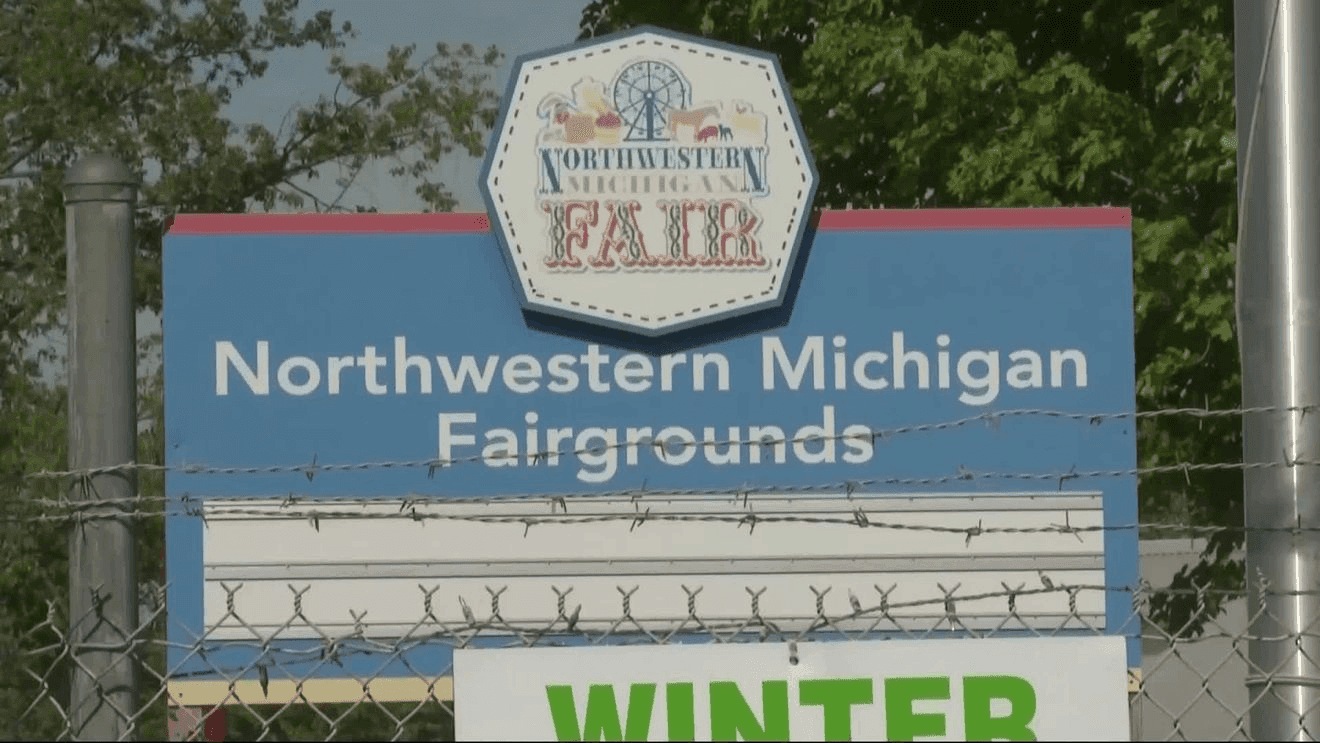
The Northwestern Michigan Fair’s shift to a youth fair in 2027 will end its direct partnership with Michigan State University Extension and open the door to youth groups beyond 4-H, a change that could reshape who competes, who oversees programs and how the fair works for families across Grand Traverse County and the surrounding region.
The fair board said the 2026 fair will still run as planned before the new model takes effect. But the announcement landed hard at a public meeting earlier in the week, where 4-H families, volunteers and exhibitors turned out in large numbers looking for answers about what the change means for livestock shows, youth exhibits and the fair’s longtime identity.
Laurie Ashley, the fair board secretary, said the move was driven by a desire to open participation to additional youth organizations across the fair’s five-county service area. That area includes Grand Traverse, Leelanau, Benzie, Kalkaska and Antrim counties, the network that has long fed youth livestock and fair participation in northern Michigan.
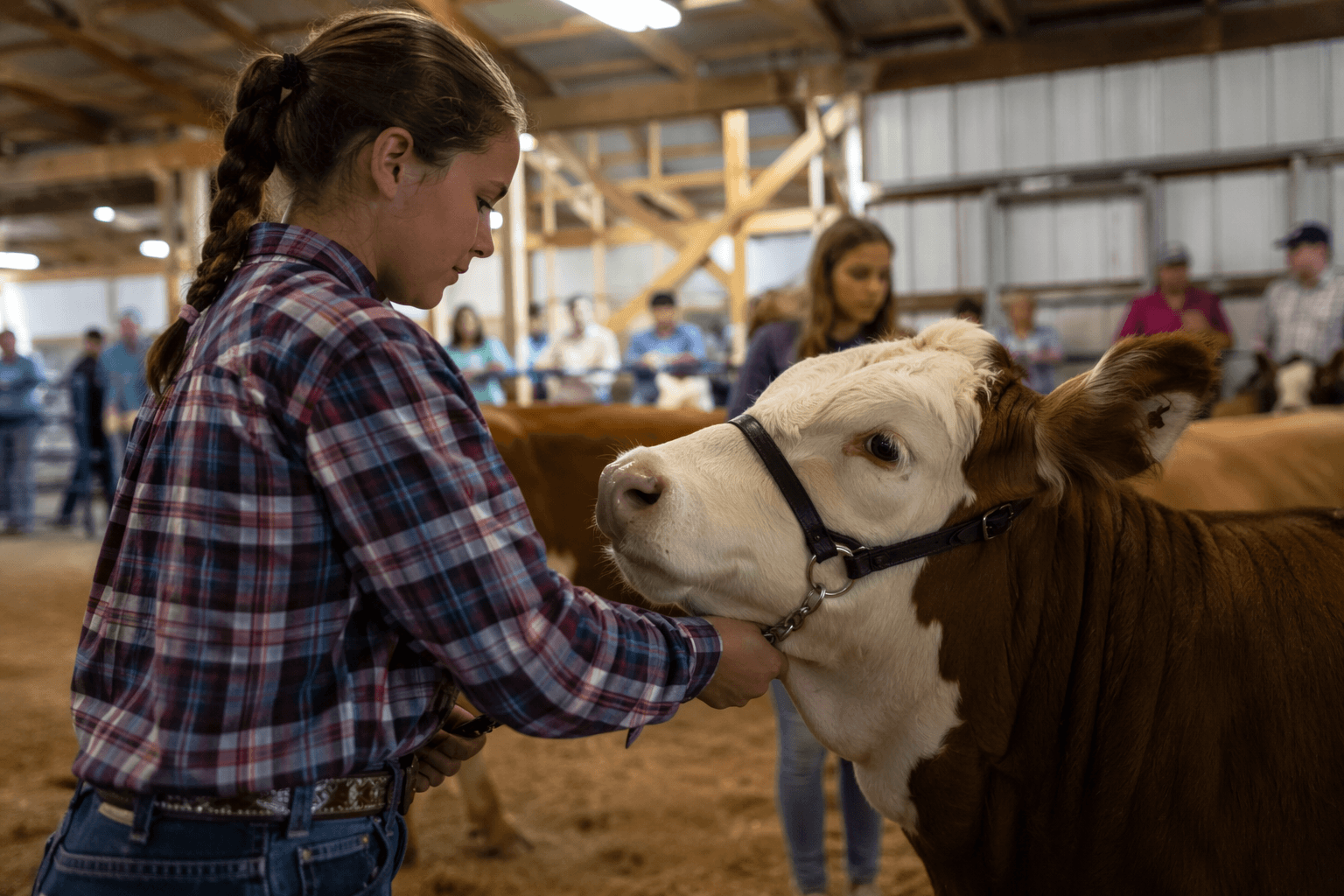
For many families, the concern was not just who can enter, but who will carry the work that Extension has helped organize for years. The Northwest Michigan 4-H Livestock Council says it coordinates and oversees the livestock programs exhibited at the Northwestern Michigan Fair, working closely with MSU Extension 4-H Program Coordinators and staff and following guidelines from MSU Extension 4-H, the Michigan Association of Fairs and Exhibitions and the Michigan Department of Agriculture and Rural Development.
Kristy Oosterhouse, an MSU Extension educator, said the agency is working through the impact of the change and wants the 2027 fair to remain successful for all youth participants. Volunteer Sandi Pyle said she came to the meeting to get answers and help reassure the kids she works with, a sign of how deeply the fair’s structure is tied to families who return year after year.
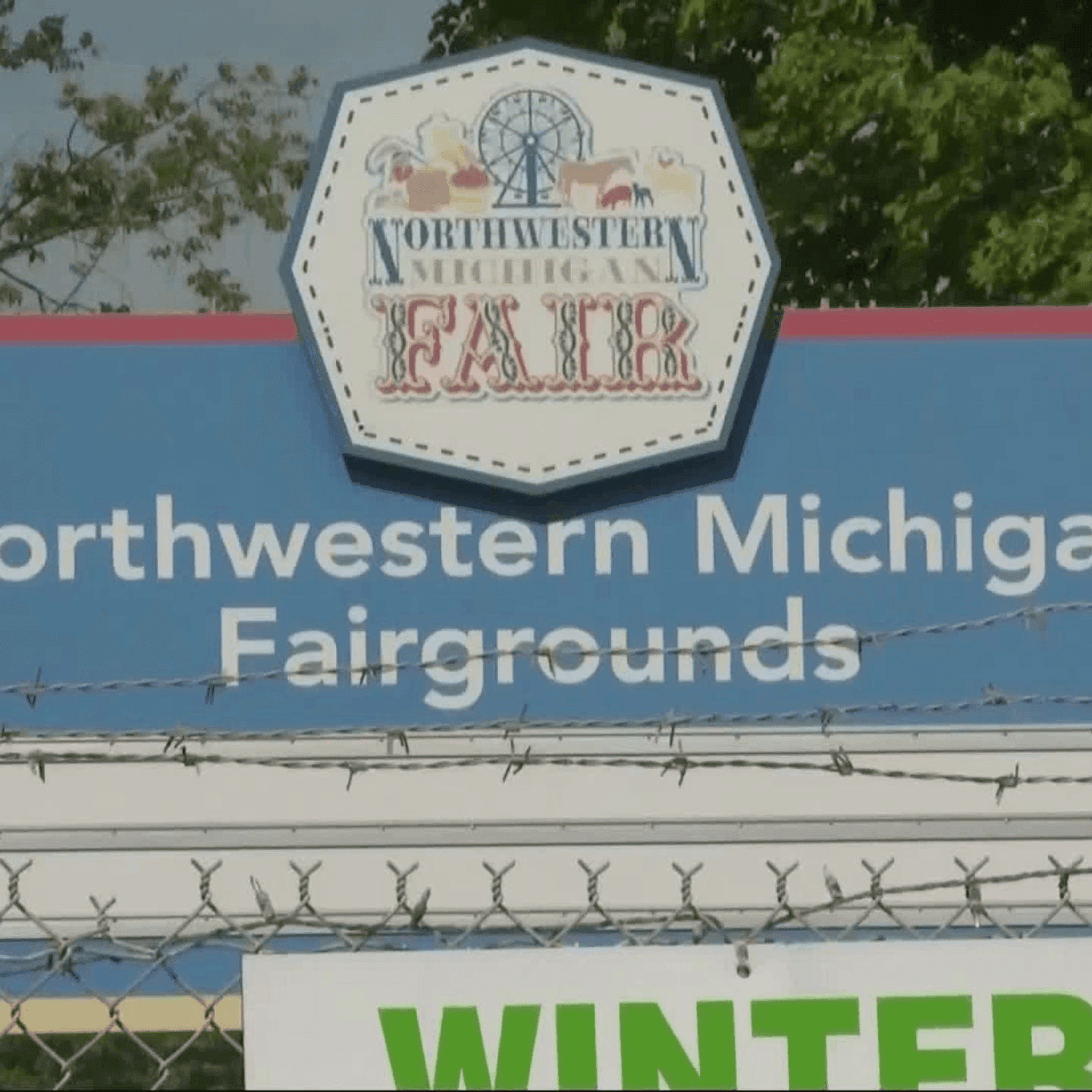
The discussion also underscored how much history sits behind the decision. One local history source says the first official Northwestern Michigan Fair opened on Sept. 29, 1908. Another says the Grand Traverse Region Fair Association was officially created on Oct. 15, 1907, and the TADL history says earlier regional fair predecessors existed as far back as 1868.
That long record helps explain why a governance change can feel like more than an administrative shift. For local families, the next two fair seasons will determine whether the move broadens opportunity, weakens familiar 4-H support or finds a new balance between agricultural tradition and a wider youth fair model.
This article was produced by Prism’s automated news system from verified source data, official records, and press releases, then run through automated quality and moderation checks before publishing. The system is built and supervised by the people who set the standards it runs under. Read our full AI policy.
Know something we missed? Have a correction or additional information?
Submit a Tip