Slotkin tours TART Trails, calls Traverse City network a hidden gem
Slotkin toured Traverse City’s TART network, a system with more than 100 miles of trail and more than 1 million annual West Bay users, while trail gap funding remained the issue.
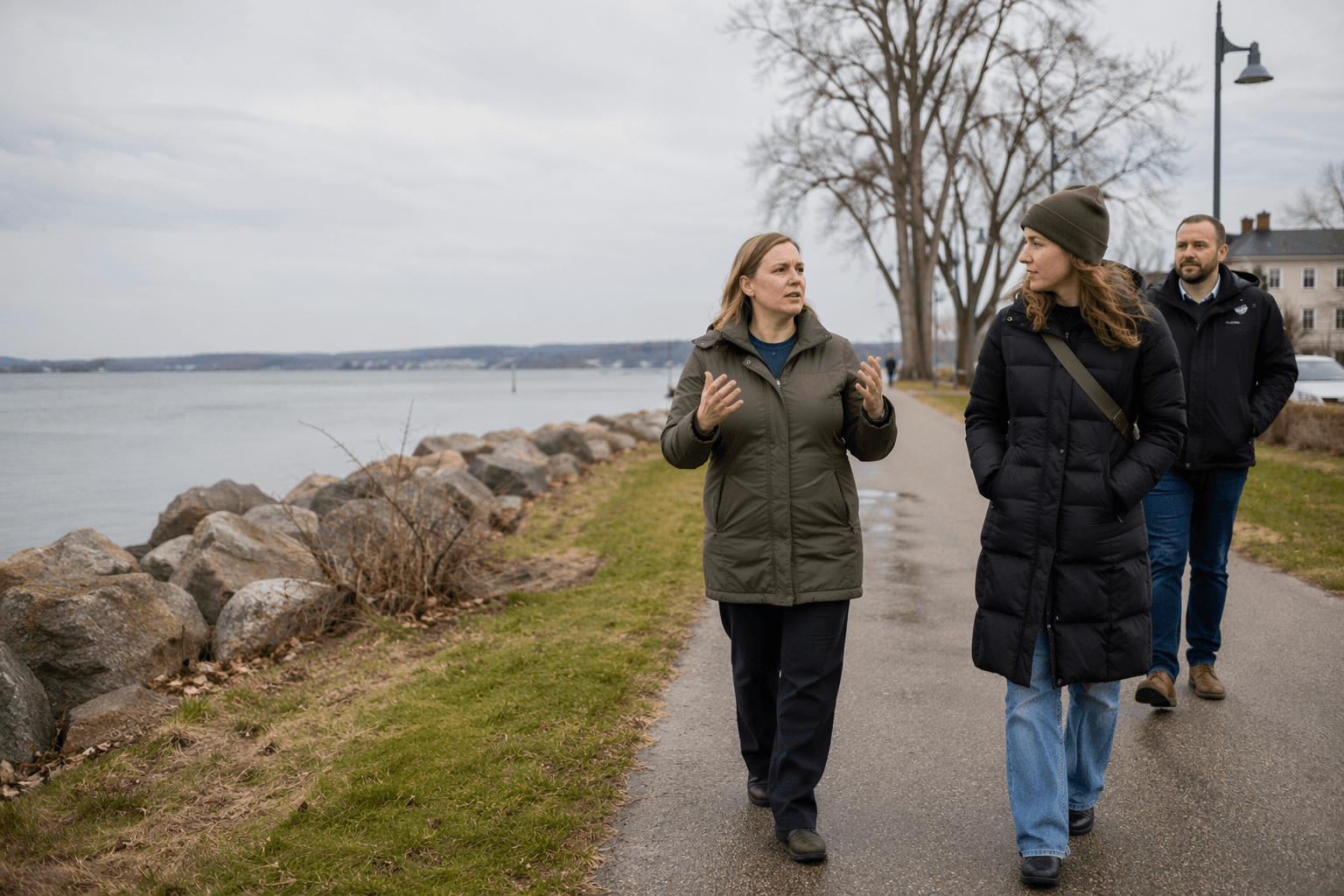
U.S. Sen. Elissa Slotkin walked a stretch of the TART Trail System in Traverse City as local leaders pressed the case that trails here are not just for recreation, but for getting to work, reaching services and strengthening neighborhood connections across Grand Traverse County. The visit put federal attention on a network that TART Trails says handles more than one million annual users on its West Bay bayfront segment alone.
Slotkin met with local groups including Oryana Community Co-op, the Grand Traverse Band of Ottawa and Chippewa Indians and Short’s Brewing Company. TART Trails has long framed the system as part transportation infrastructure and part public amenity, with routes that help knit together homes, downtown businesses, lakefront access and communities on both sides of Grand Traverse and Leelanau counties.
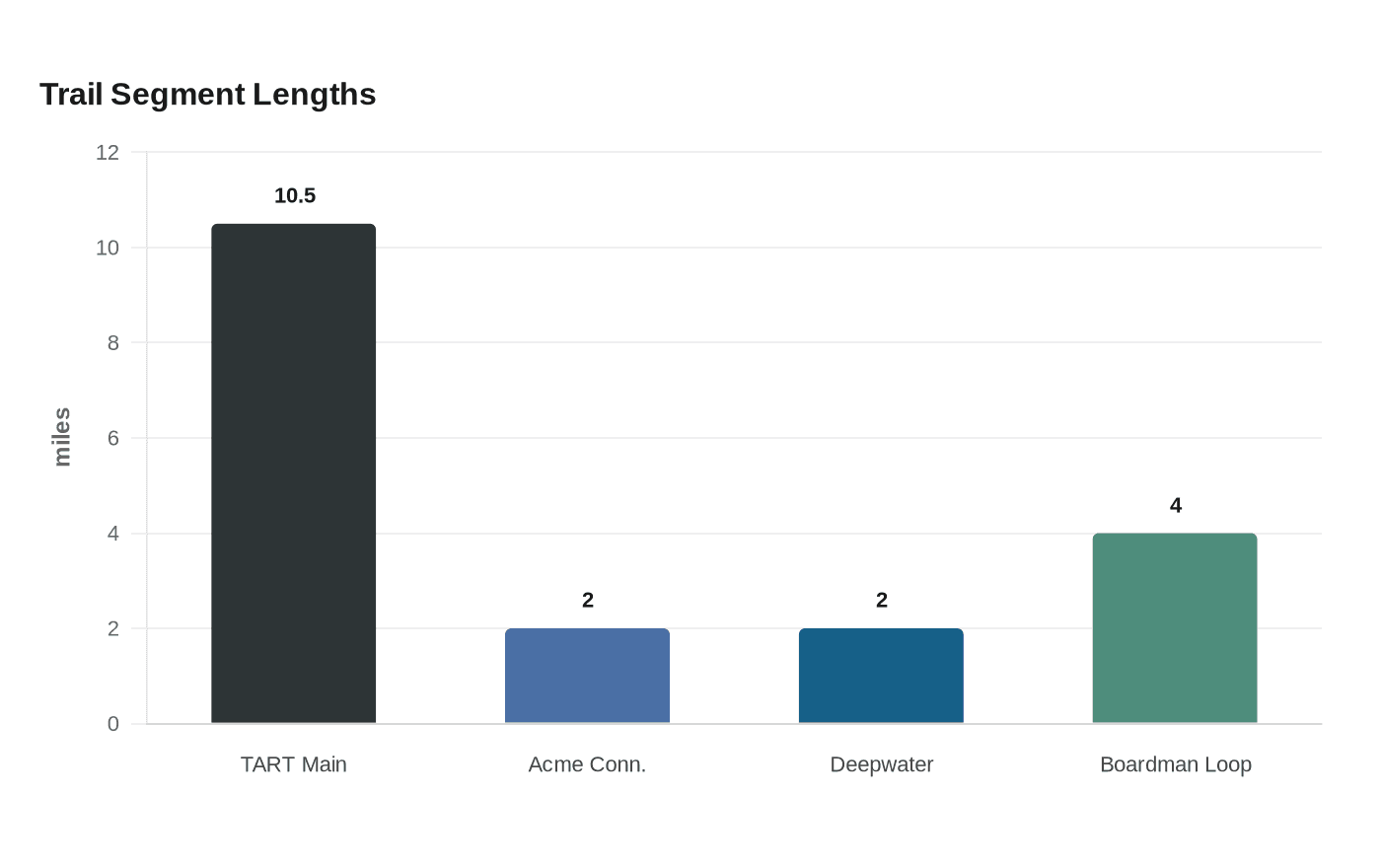
The nonprofit behind the network formed in 1998, when four individual trail groups joined forces to build a stronger regional voice for recreation and alternative transportation in northwest Michigan. Its main corridor, the 10.5-mile Traverse Area Recreation Trail, runs from M-72/Bates Road in Acme Township to Carter Road in Traverse City, where it connects with the Leelanau Trail and gives riders and walkers a paved path through the city’s core.
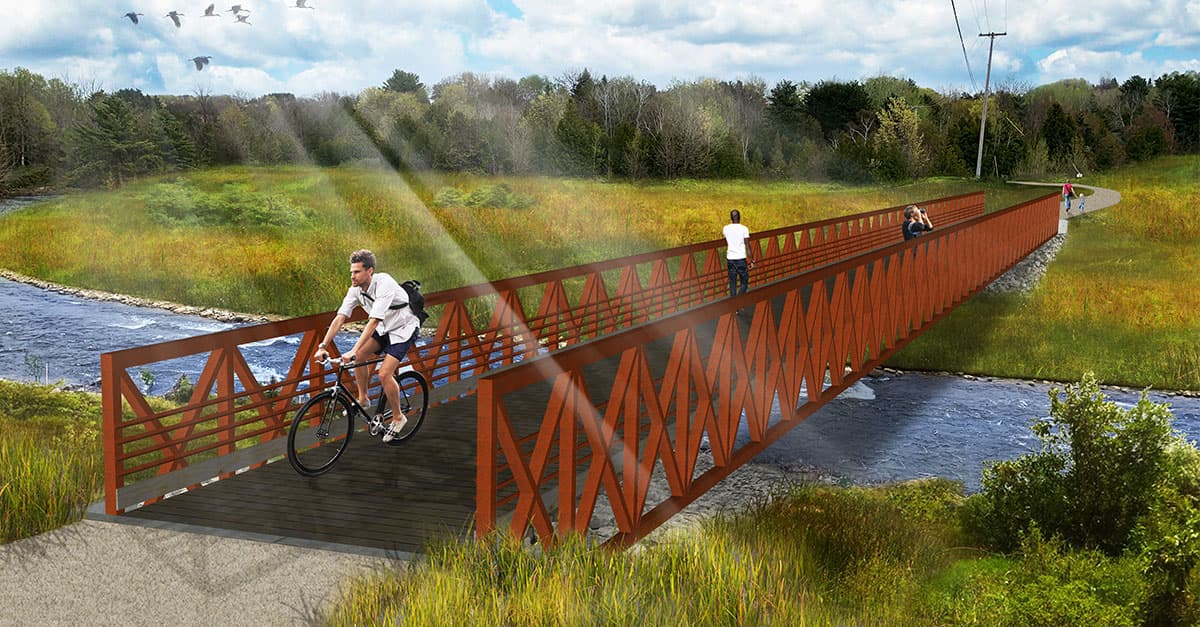
TART Trails says the system now includes more than 100 miles of trail, including the 2-mile Acme Connector and the recently completed 2-mile Deepwater Connector on the Nakwema Trailway. The Boardman Lake Loop Trail, just south of downtown Traverse City, now circles Boardman Lake for 4 miles and includes bridges, boardwalks, lookout piers, fishing decks and kayak launches, features that tie outdoor access to everyday use in a dense urban area.
The regional trail network has also become an economic asset. A 2015 study found the Traverse City trail system generated a total annual economic impact of $5.5 million, evidence that trail investment reaches far beyond leisure. That matters in a county where trails can serve commuters, visitors, older adults and families who rely on nonmotorized connections to bridge gaps in the transportation system.
Slotkin’s tour fit into a broader Senate emphasis on infrastructure, public access and outdoor recreation. Earlier in 2026, she requested federal funding for the Three Mile Trail in East Bay Township to close a critical gap in the nonmotorized network and create a continuous, safer multimodal corridor in the Grand Traverse region. TART Trails also notes that its lands sit on the ancestral lands of the Anishinaabe people, represented today by the Grand Traverse Band of Ottawa and Chippewa Indians and the Little Traverse Bay Bands of Odawa Indians, a reminder that trail planning here carries cultural as well as civic weight.
This article was produced by Prism’s automated news system from verified source data, official records, and press releases, then run through automated quality and moderation checks before publishing. The system is built and supervised by the people who set the standards it runs under. Read our full AI policy.
Know something we missed? Have a correction or additional information?
Submit a Tip